
With the establishment of the Hydrogen Centre of Excellence and the joint efforts in attracting renewable energy companies, Australia and India are poised to become leaders in the global clean energy transition

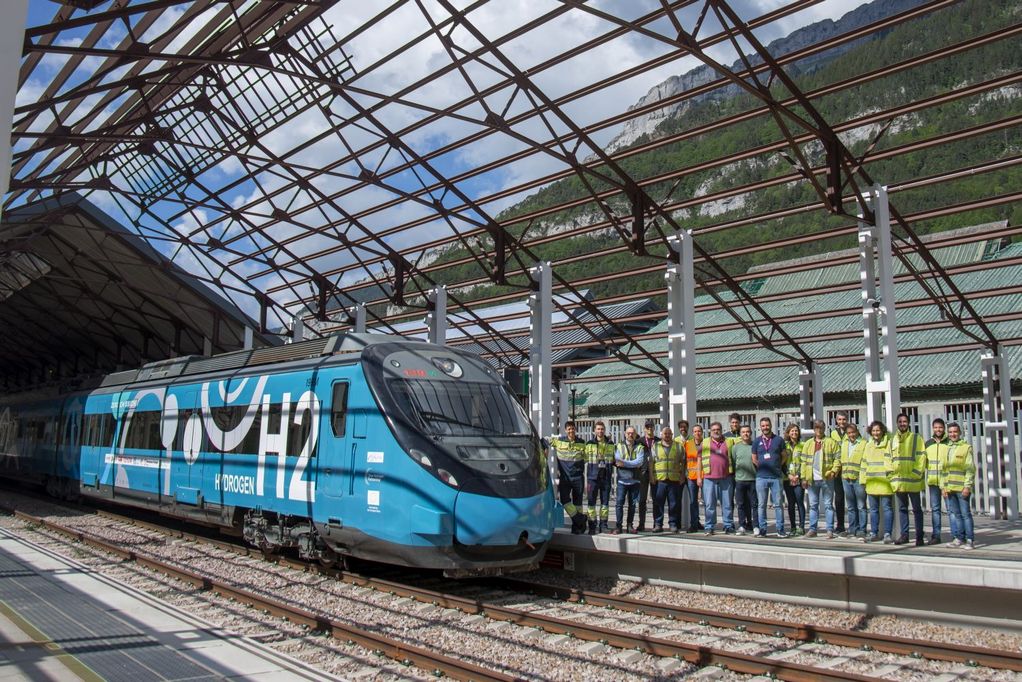
The demonstrator train is the first hydrogen train to achieve this milestone. This is an outstanding highlight, because the Canfranc line is a particularly demanding line due to its steep and high gradients, which involve a great challenge for the new power generation systems.
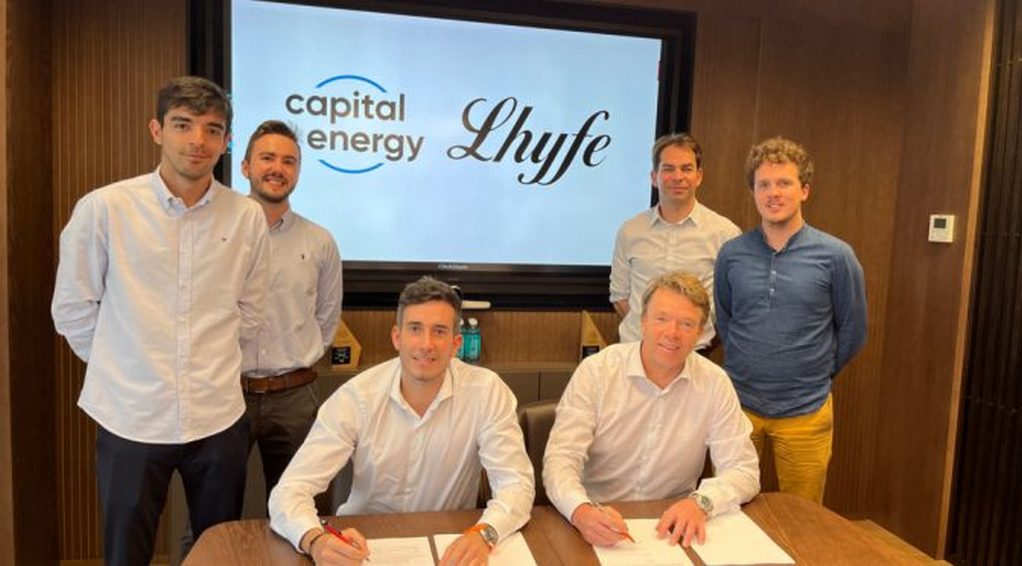
Under the agreement, the two companies said will work together to create hydrogen production sites at some of the 7.5 GW offshore wind farm sites currently being developed by Capital Energy in both countries.
Unlike exhaust from burning coal and gas that contains CO2, burning hydrogen emits only water vapor and oxygen. Rather, it is the leaking of hydrogen from production, transportation and usage that adds to global warming.
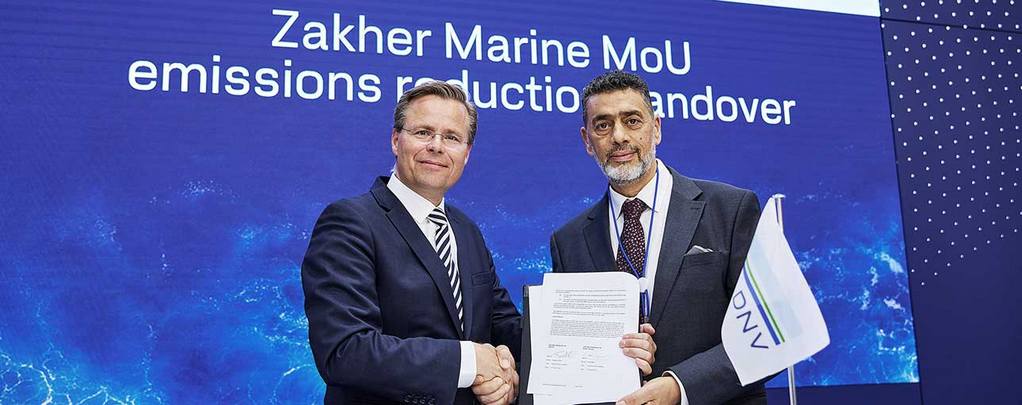
The MoU would be a joint feasibility study to assess the safety, compliance and sustainability aspects of current and future fuels and technologies, from both a technical and operational standpoint.
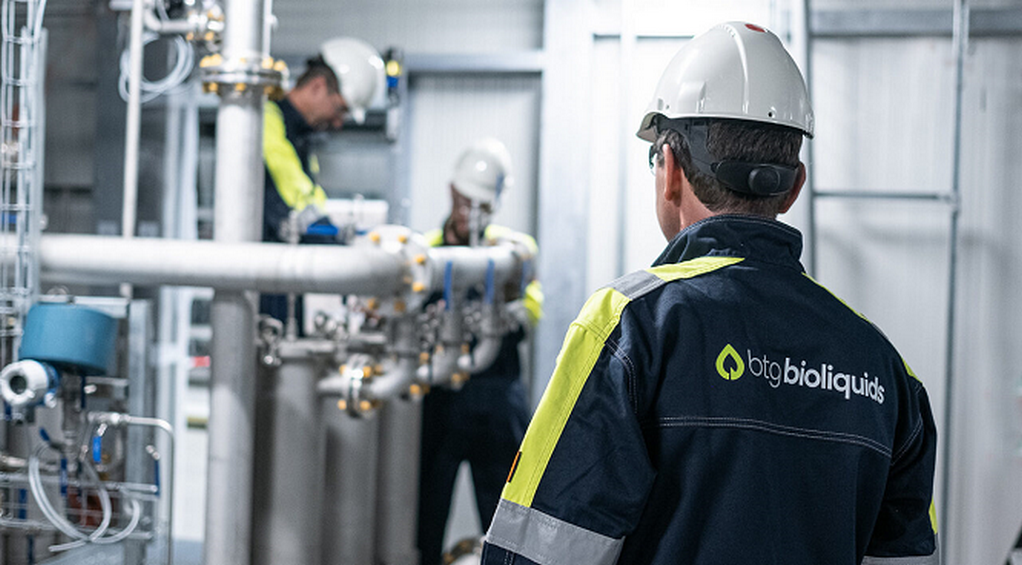
BTG’s technology turns agricultural and forestry residues, like saw mill waste, into fast pyrolysis bio-oil (FPBO), a homogeneous energy carrier, which can be used as a direct substitute for fossil fuels or be further upgraded into advanced biofuels.
The team’s approach uses a simple, scalable, and cost-effective electrolyzer that can be powered by solar energy. The electrolyzer uses alkaline seawater as the electrolyte, and carbon-based electrodes coated with transition metal-based catalysts.
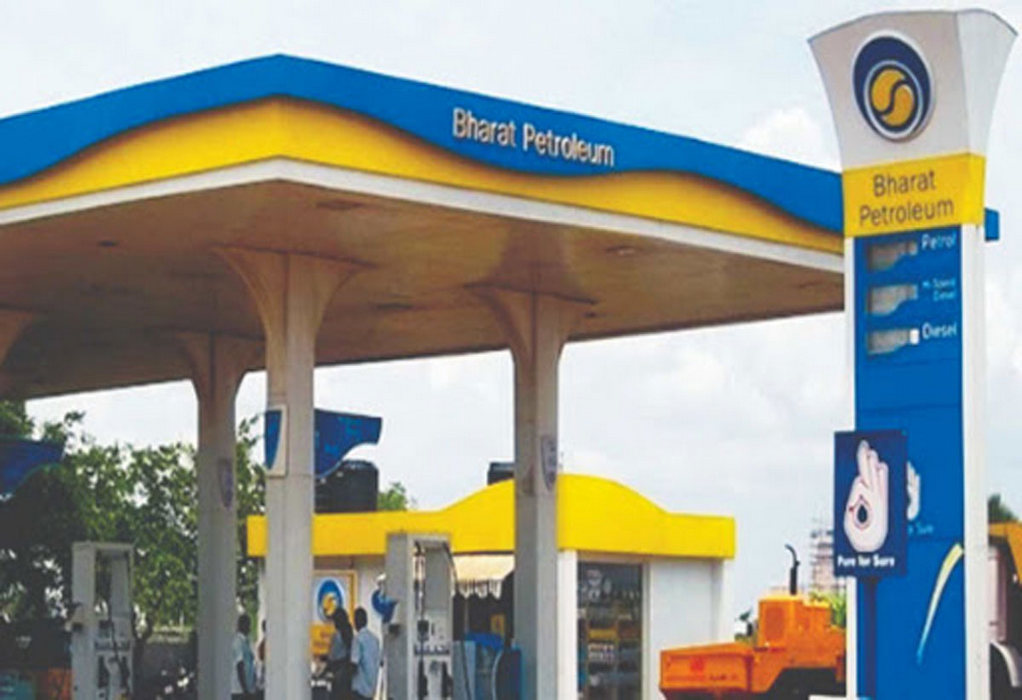
The plant would produce ethanol from straw, waste and spoiled rice. It would help in increasing the income of the farmers in the surrounding areas, including Bargarh, Sambalpur, Sonepur and Balangir. Employment and self-employment opportunities would be created in the area.
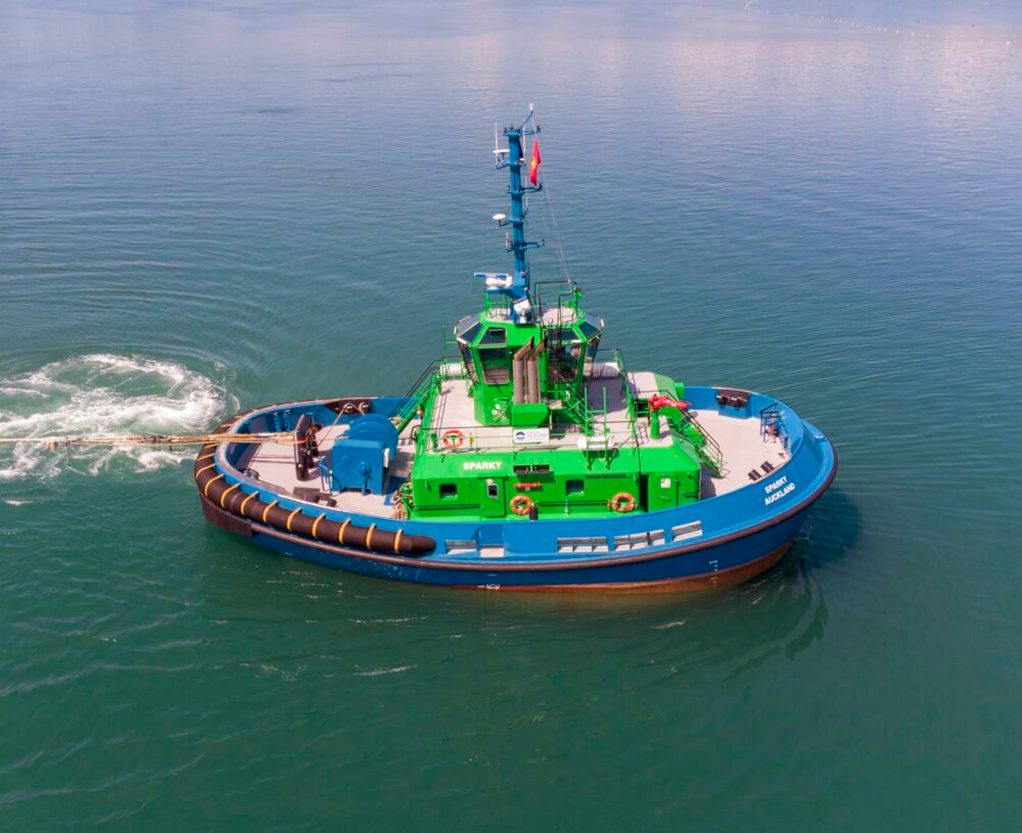
The boats will run on green energy from the wind farm that Cargill and Vattenfall operate in partnership with Windpark Hanze.

The subject of their research is lignin, the world’s most abundant renewable substance. Lignin is found in the cell walls of trees and plants where it provides structural strength for standing upright and helps carry water and minerals into their bran