
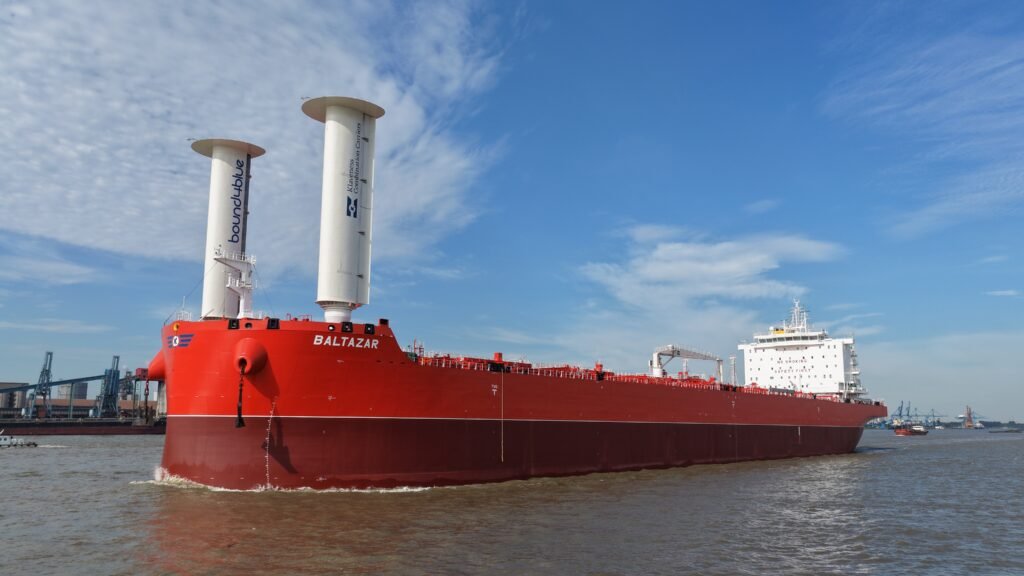
Klaveness Combination Carriers ASA (KCC) has named its 83,300 DWT combination carrier MV Baltazar in Fremantle, Western Australia, completing the company’s third-generation CABU newbuilding programme. Built by New Yangzi Shipyard in China, MV Baltazar was recently delivered and entered service after completing her maiden voyage to Australia. The naming ceremony brought together KCC customers, business

Shipowners engine decisions over the next decade could have a significant bearing on the maritime fuel mix through 2050, but the ability of vessels to use alternative fuels will not necessarily translate into actual consumption, according to a new analysis by the Global Centre for Maritime Decarbonisation (GCMD) and Boston Consulting Group (BCG). The study,
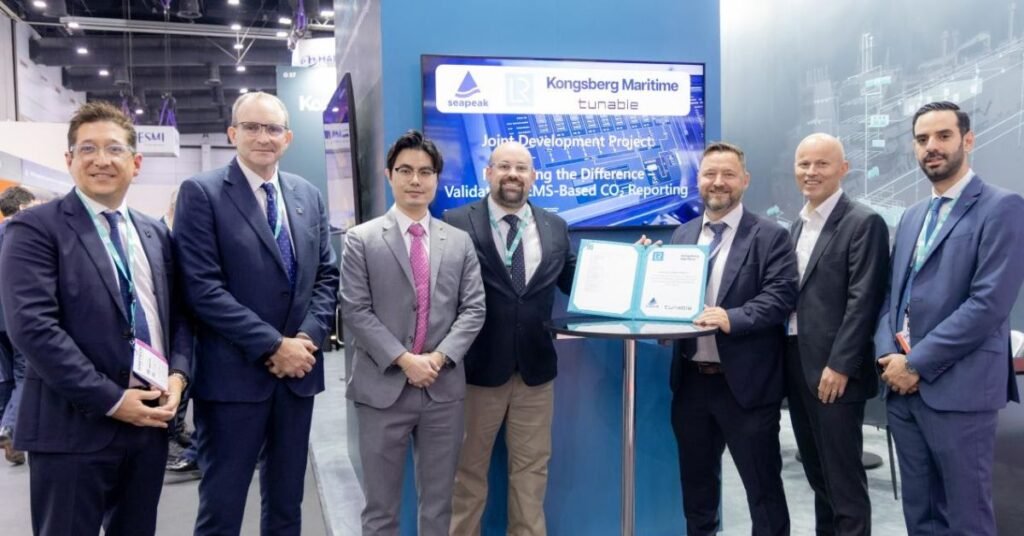
Lloyd’s Register (LR), Seapeak, Kongsberg Maritime and Tunable have launched a joint development project (JDP) to assess the accuracy and regulatory applicability of continuous emissions monitoring technology on board an LNG carrier. The project will focus on Kongsberg Maritime’s Continuous Emissions Monitoring System (CEMS), which incorporates gas analysis technology from Tunable. LR will act as
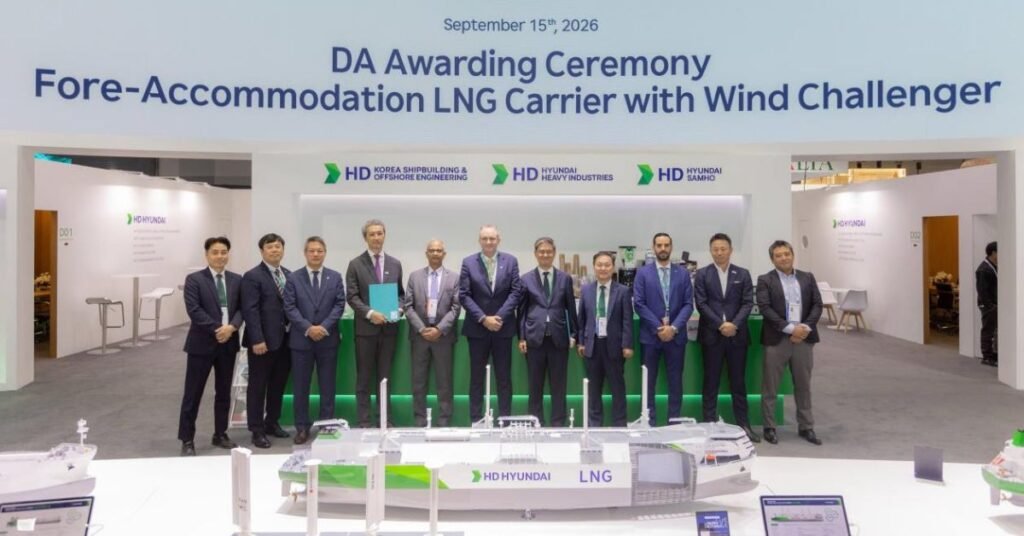
Lloyd’s Register (LR) has granted Design Appraisal to a fore-accommodation LNG carrier concept developed by HD Hyundai Heavy Industries (HHI) and equipped with Mitsui O.S.K. Lines’ (MOL) Wind Challenger hard-sail system. The appraisal confirms that the vessel concept meets LR’s requirements for Wind-Assisted Propulsion Systems (WAPS) notation. The project was presented at Gastech 2026 in
The Society for Gas as a Marine Fuel (SGMF) has published a new Life Cycle Assessment (LCA) on methanol as a marine fuel, concluding that methanol produced from renewable energy sources can deliver substantial reductions in greenhouse gas (GHG) emissions compared with conventional fuel oil. What did the SGMF study examine? The assessment evaluated 15
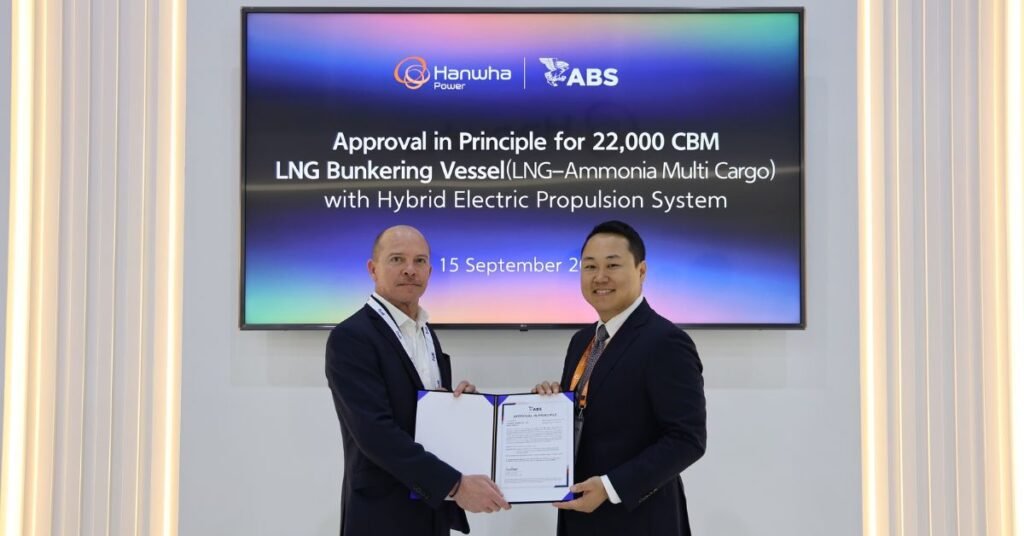
Hanwha Power has obtained Approval in Principle (AiP) from the American Bureau of Shipping (ABS) for the concept design of a 22,000 cubic metre LNG bunkering vessel, unveiled at Gastech 2026, the world’s largest gas and energy exhibition, held in Bangkok, Thailand. What was announced and where? The certificate presentation ceremony took place on September
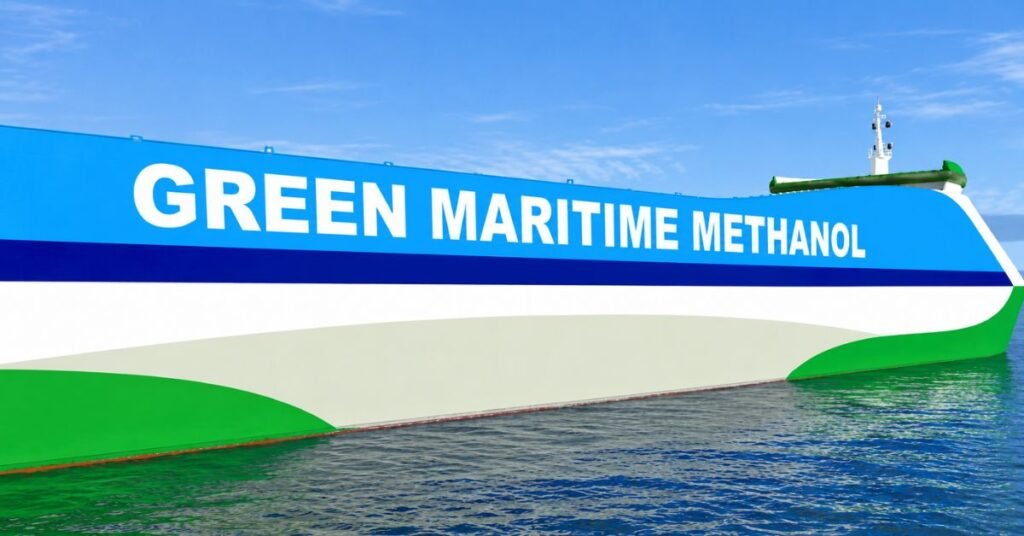
Singapore’s sales of bio-blended marine bunker fuels rose sharply for the second consecutive month in August, climbing 48 percent to 57,000 tonnes, the highest monthly volume recorded since April, according to preliminary data from the Maritime and Port Authority of Singapore (MPA). How much did bio-bunker demand grow month on month? Singapore sold approximately 1,800
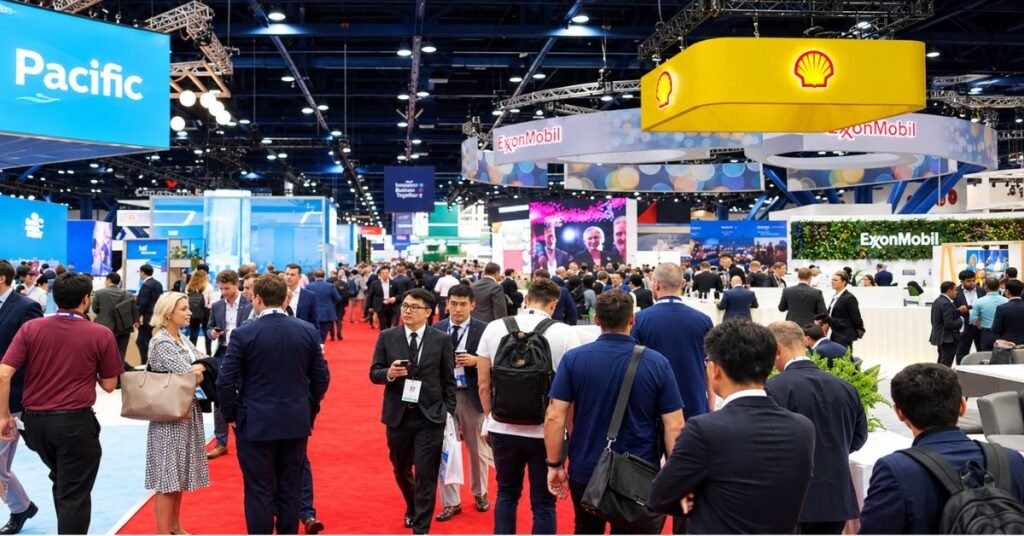
Gastech 2026 in Bangkok has generated memoranda of understanding, supply agreements and investment commitments worth a combined estimated $40 billion by the end of its third day, reinforcing the event’s position as a global venue where energy dealmaking moves from discussion to delivery. What major agreements were announced during the event? China Gas Holdings and
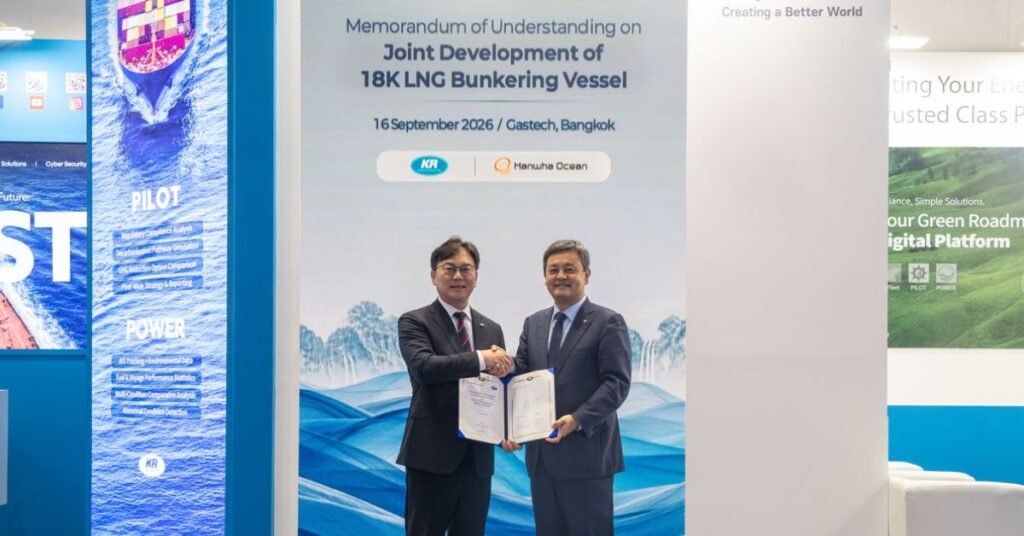
Korean Register (KR) has signed a Memorandum of Understanding with Hanwha Ocean to jointly develop two design concepts for an 18,000 cubic metre LNG bunkering vessel, signed on September 16 at Gastech 2026 in Bangkok. Why is demand for LNG bunkering vessels growing? As international regulations on greenhouse gas emissions continue to tighten and the
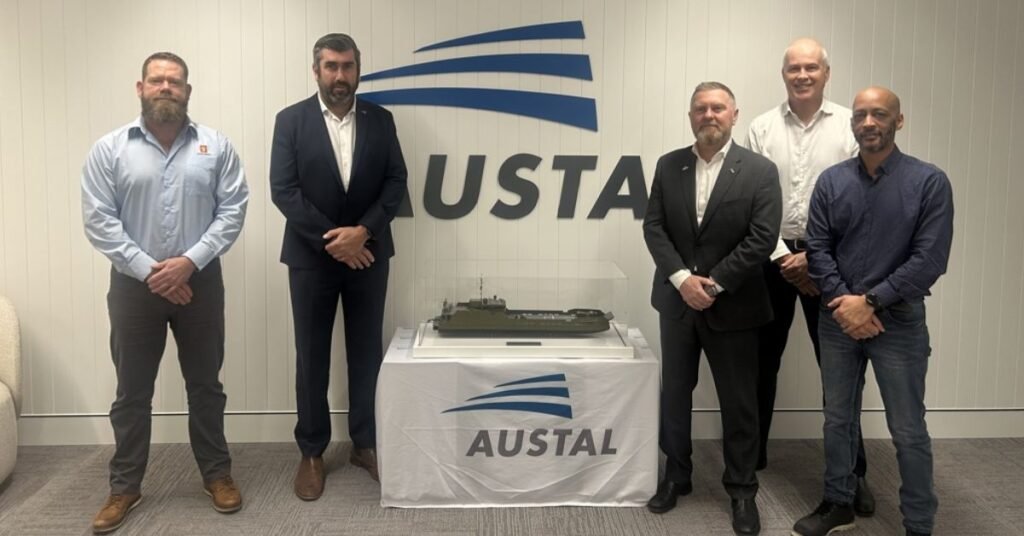
Kongsberg Maritime has signed an agreement with Austal Defence Australia to supply Kamewa Steel Series waterjets for the Australian Army’s new Landing Craft Medium (LCM) fleet. The agreement, announced on 10 September 2026, covers four waterjets for each vessel in the 18-ship programme. The LCM vessels will be constructed at Austal’s shipyards in Western Australia.