
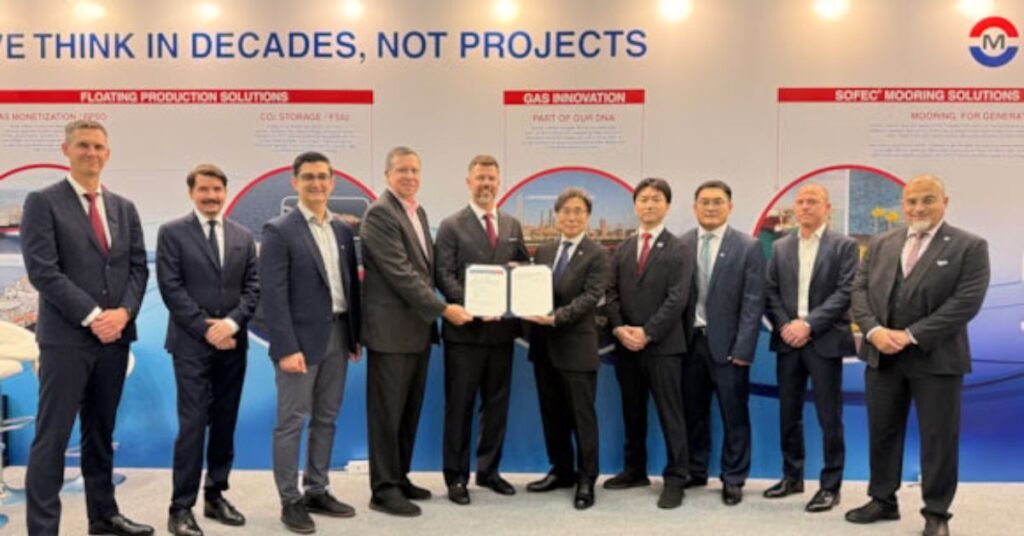
ABS has granted New Technology Qualification (NTQ) approval to MODEC and Eld Energy for a solid oxide fuel cell (SOFC) power system being developed for floating production, storage and offloading (FPSO) vessels. The Eld Power Module has completed the Technology Feasibility and Concept Verification stages of ABS’ NTQ process, marking progress towards prototype testing and

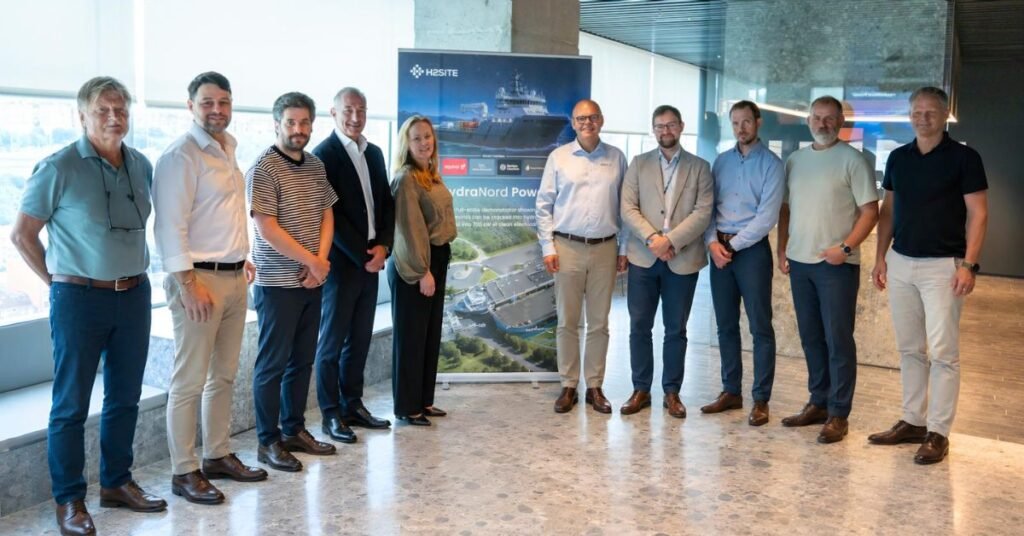
H2SITE has secured €3.4 million (NOK 39.1 million) in funding from Norway’s Enova for HydraNord Power, a project aimed at developing and validating a commercial-scale onboard system that converts ammonia into hydrogen for maritime power generation. The Bilbao- and Bergen-based company said the project will develop a modular system capable of producing up to one
Spain has introduced a new regulatory framework requiring marine fuel suppliers to reduce the greenhouse gas (GHG) intensity of fuels supplied to domestic shipping, making it the second EU country after the Netherlands to place the decarbonisation obligation primarily on fuel suppliers rather than individual vessels. Royal Decree 611/2026, published on July 23, 2026, establishes
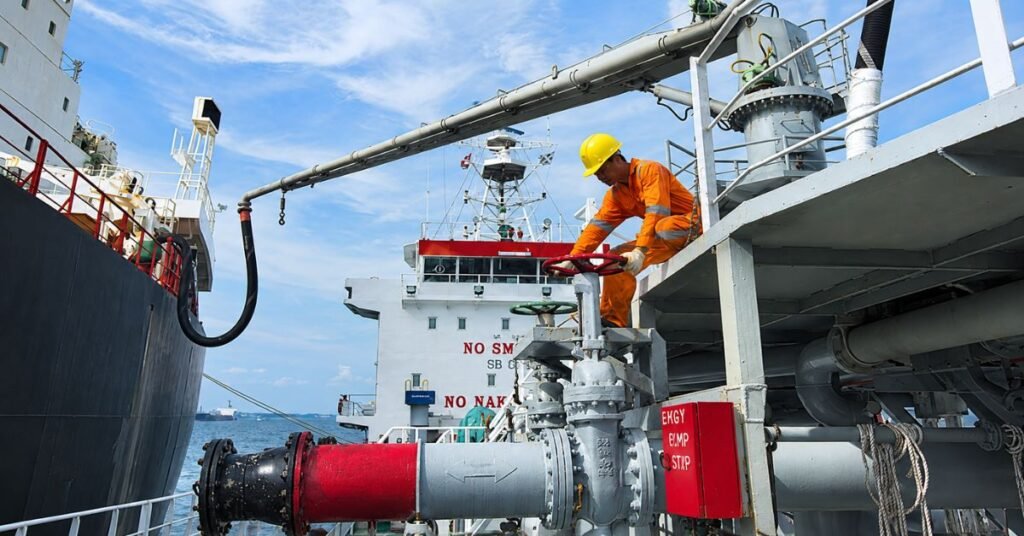
Prices for B30 marine biofuel blends declined across several major bunkering hubs in the week ending September 22, 2026, with the sharpest reductions recorded in Gibraltar, Lisbon and Singapore. The price movements narrowed the premium of bio-blended fuels over conventional marine fuels in some markets, while Singapore recorded a 48% increase in biofuel bunker sales
GTT Marine, a business unit of the GTT Group, has entered into a white-label integration partnership with FuelEU Maritime compliance platform and marketplace provider BetterSea to enable shipping companies to manage trading and pooling activities directly through its Vesper Insights platform. Under the agreement, GTT Marine will integrate BetterSea’s FuelEU infrastructure into Vesper Insights, allowing
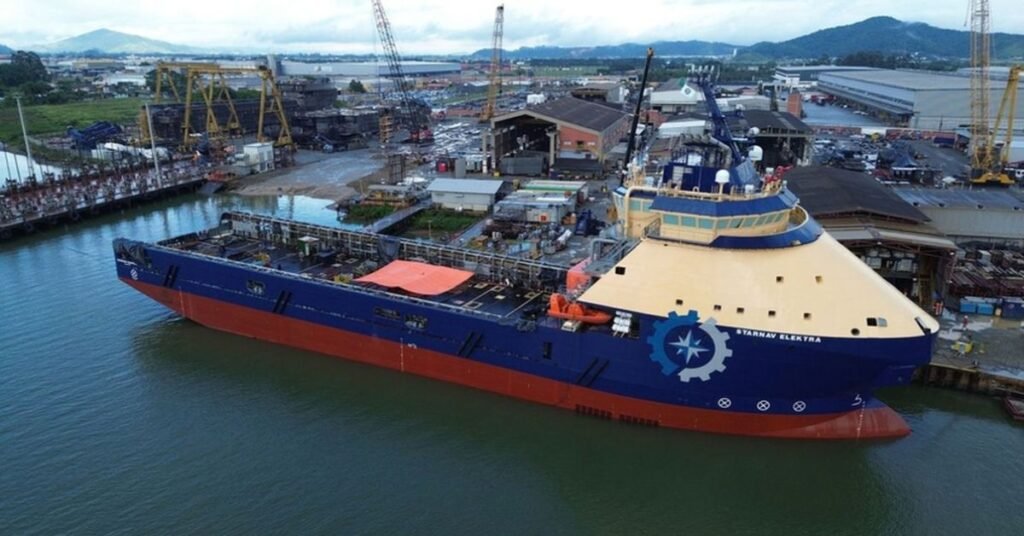
Brazil has taken delivery of its first domestically built offshore support vessel equipped with a hybrid power generation and propulsion system, with Starnav Elektra entering service under Petrobras’ offshore fleet renewal programme. The 5,500-deadweight-tonne platform supply vessel (PSV) was named in Rio de Janeiro on September 17, 2026. Built by Detroit Shipyard in Itajaí, Santa
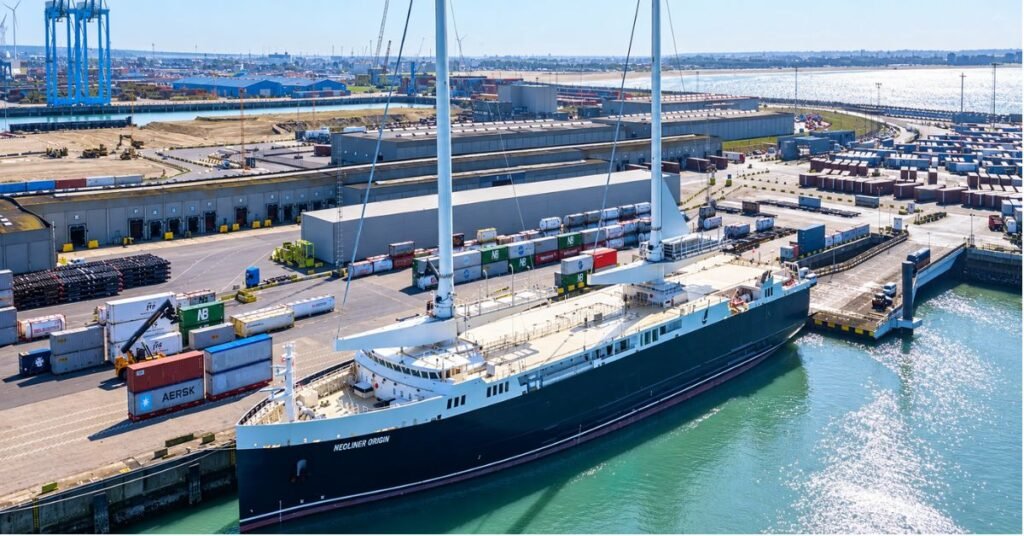
NEOLINE’s wind-powered Ro-Ro cargo vessel Neoliner Origin made its first call at PSA Zeebrugge in Belgium on September 21, 2026, marking the vessel’s first visit to the country and the addition of Zeebrugge to NEOLINE’s regular transatlantic service. The 136-metre vessel is designed to use wind as its primary propulsion source, supported by an auxiliary
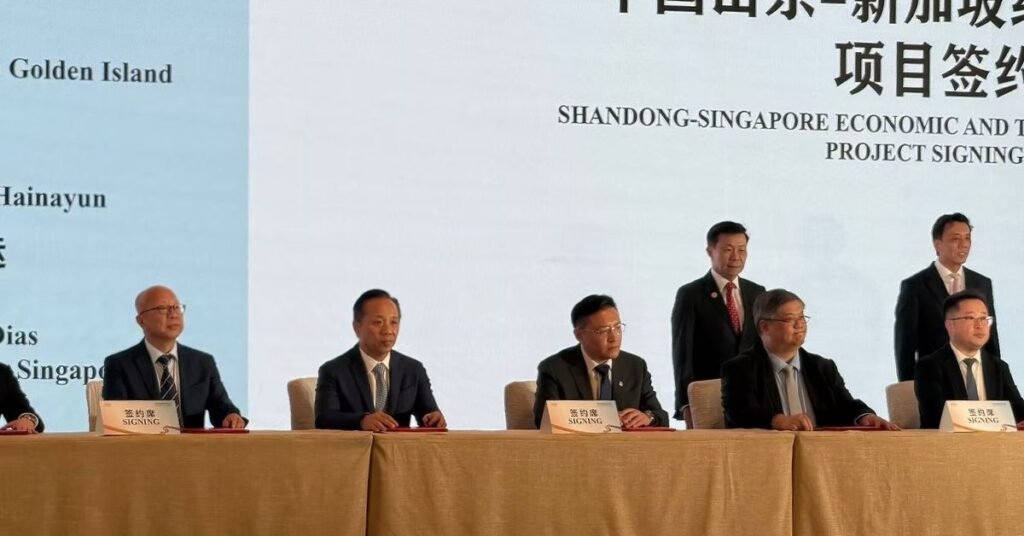
Golden Island Pte Ltd and Qingdao Port International Co., Ltd. have signed a strategic framework agreement to expand cooperation on sustainable marine fuels and develop supply-chain capabilities for low-carbon shipping. Announced on September 15, 2026, in Singapore and Qingdao, China, the agreement covers cooperation on clean fuels including green methanol, green ammonia and bio-LNG, with
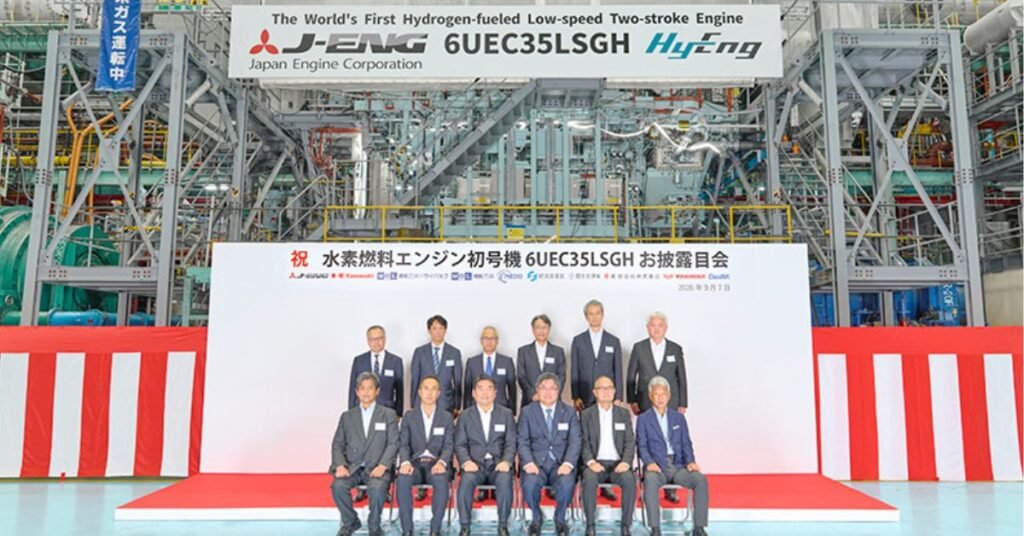
Japan Engine Corporation (J-ENG) has completed land-based testing of its 6UEC35LSGH hydrogen-fuelled low-speed two-stroke engine, developed for large commercial vessels under Japan’s Green Innovation Fund. During factory testing, the engine achieved a hydrogen co-firing ratio of at least 95% and reduced greenhouse gas (GHG) emissions by more than 95% compared with conventional heavy fuel oil
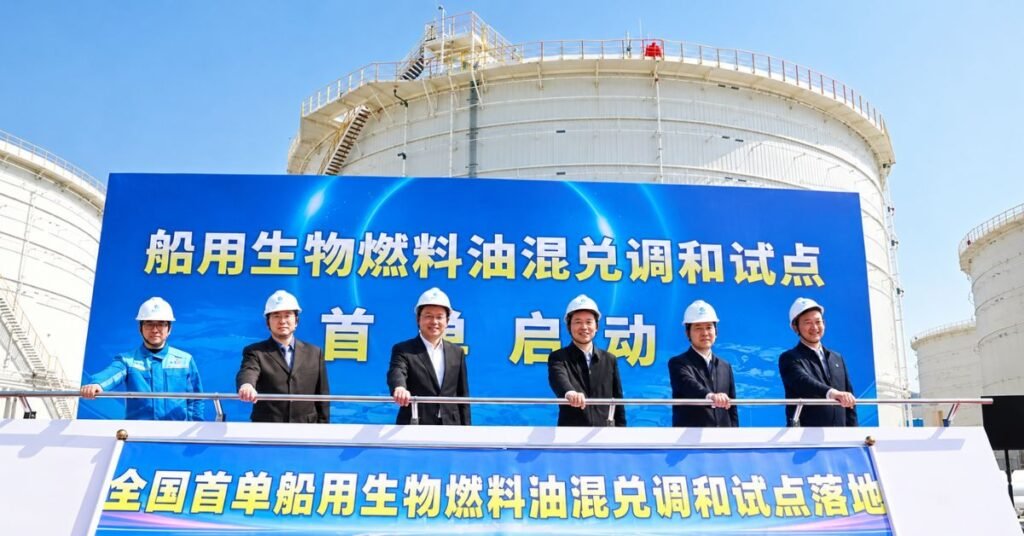
PetroChina International Co Ltd has blended more than 30,000 metric tonnes (mt) of marine biofuel since completing China’s first marine biofuel blending operation on March 13. The company said the milestone demonstrates its capability to carry out continuous, large-scale marine biofuel blending. The operations are being developed at the China (Zhejiang) Pilot Free Trade Zone,