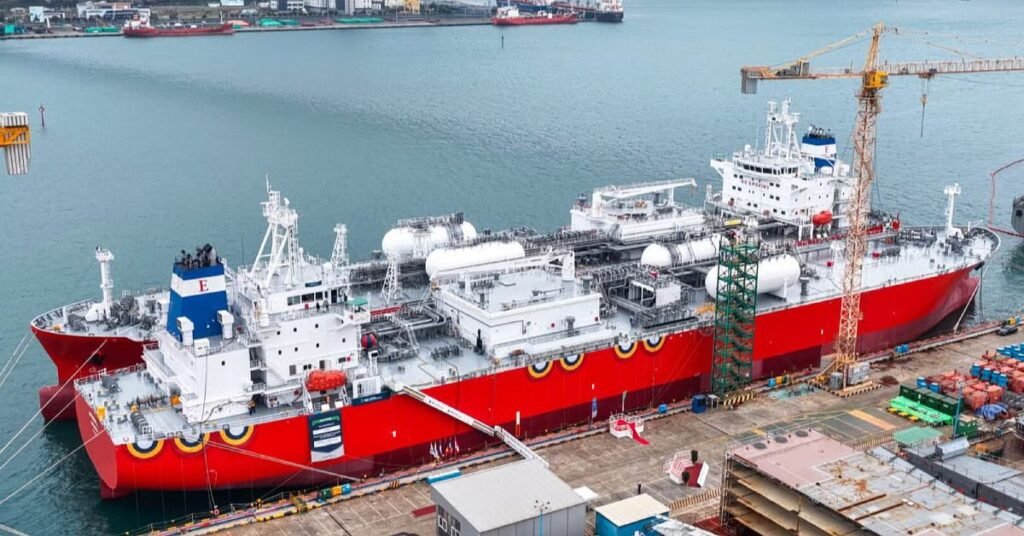
EXMAR has completed the first commercial voyage of its newly delivered LPG/ammonia carrier Antwerpen, marking another milestone in the deployment of ammonia as a marine fuel. The vessel sailed from China to India carrying a full cargo of liquid ammonia while using ammonia as its primary propulsion fuel, demonstrating the commercial viability of ammonia-powered deep-sea

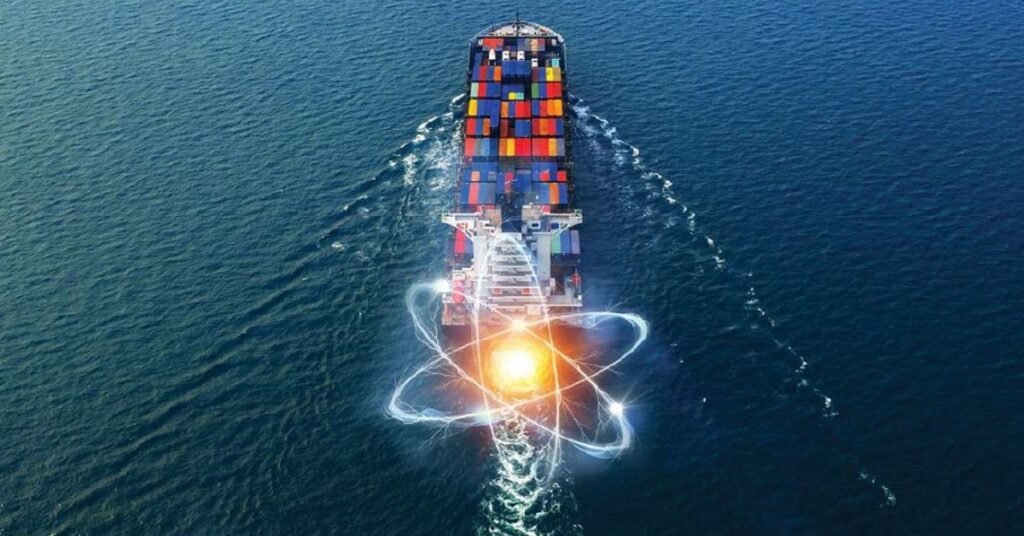
Growing collaboration between governments, regulators, classification societies and industry is accelerating the development of nuclear-powered commercial shipping, with new initiatives focused on establishing regulatory frameworks, validating reactor technologies and preparing ports for future deployment. Recent discussions at Posidonia 2026, alongside new industry studies and technical projects, highlight increasing momentum behind nuclear propulsion as a potential
Project CAPTURED has reached two significant regulatory milestones that strengthen the commercial viability of onboard carbon capture and storage (OCCS), following the successful demonstration of the world’s first end-to-end value chain for captured and liquefied carbon dioxide (LCO₂). The project has secured European Union Emissions Trading System (EU ETS) recognition for onboard captured CO₂ while
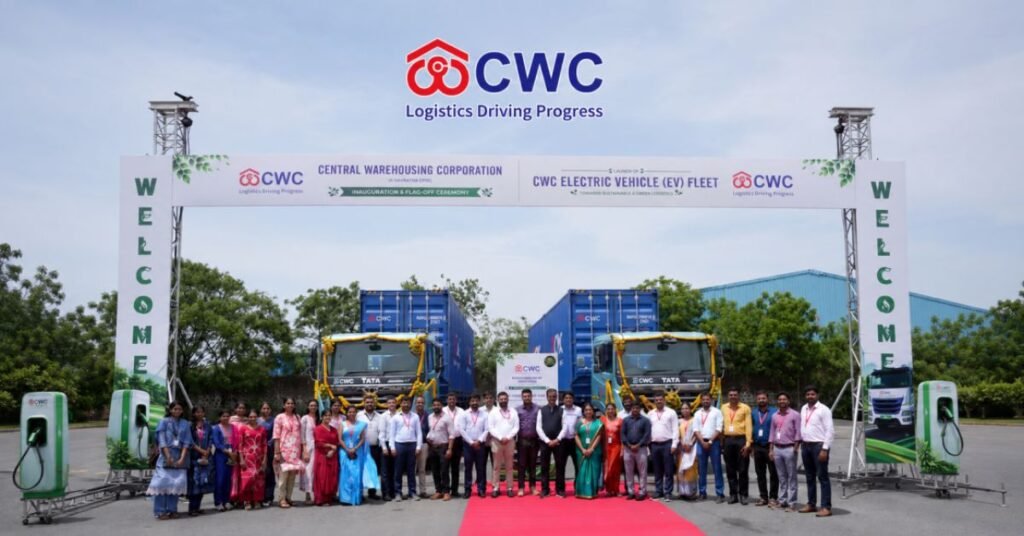
Central Warehousing Corporation (CWC), a Navratna Central Public Sector Enterprise, inaugurated and flagged off its Heavy-Duty Electric Vehicle (EV) Fleet, marking a major step towards sustainable logistics operations. How the launch was conducted The hybrid event was led from the Integral Coach Factory (ICF), Chennai, with the ceremonial flag-off taking place at DPE Tiruvottiyur through
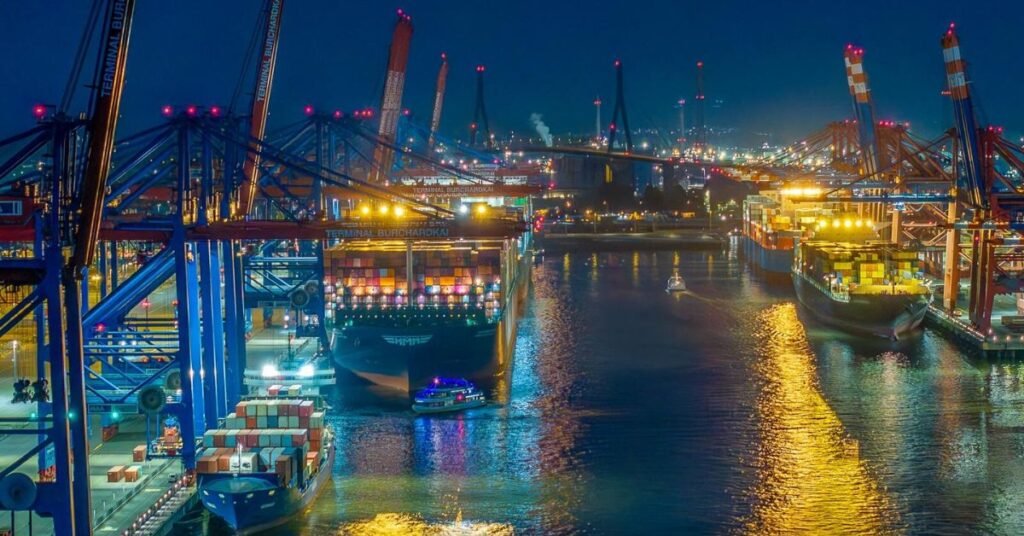
The Port of Hamburg has completed a comprehensive risk assessment and safety framework for ship-to-ship ammonia bunkering, marking a key milestone in preparing the German port to support ammonia-powered shipping. Developed in collaboration with MB Energy, the initiative establishes the safety requirements for handling ammonia as a marine fuel and positions Hamburg as “ammonia-ready” for
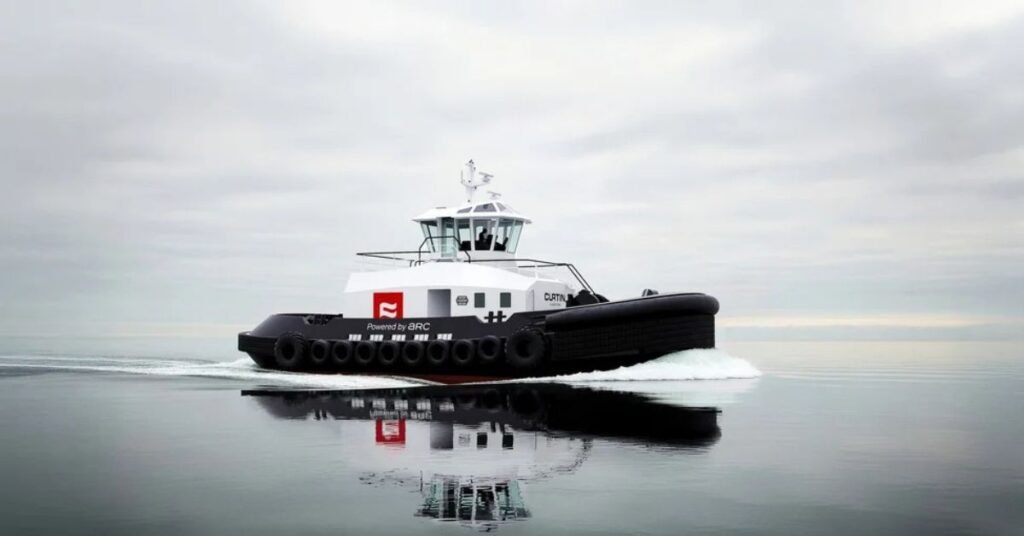
The Maritime Battery Forum (MBF) has welcomed Arc, a U.S.-based developer of electric and hybrid-electric marine propulsion systems, as its newest member, strengthening collaboration on the adoption of battery technologies across the maritime sector. Arc brings expertise in designing fully integrated electric propulsion systems, combining battery engineering, software, thermal management and propulsion technologies for recreational,
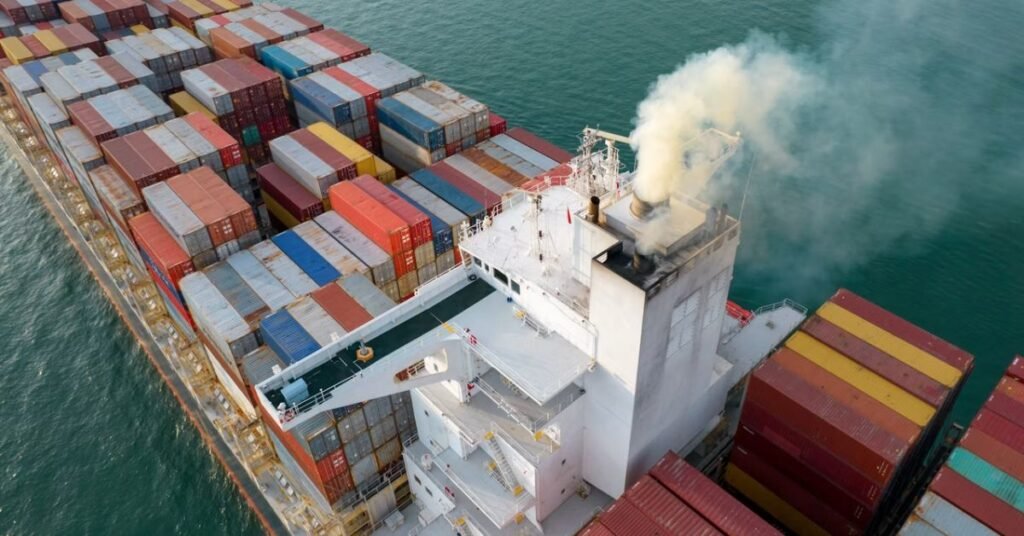
India is well positioned to become a leading supplier of low-carbon marine fuels, thanks to its ability to produce cost-competitive green hydrogen and green ammonia, according to a new study by the Global Maritime Forum (GMF). The report identifies India’s abundant renewable energy resources, strategic location along major global shipping routes and supportive policy initiatives
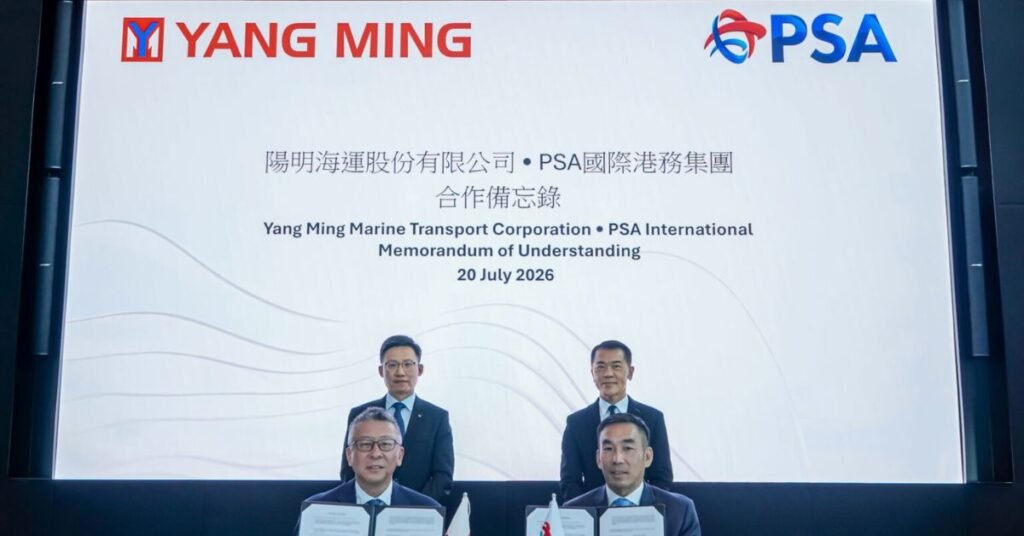
Yang Ming Marine Transport Corporation (Yang Ming) and PSA International (PSA) have signed a Memorandum of Understanding (MOU) to jointly accelerate the adoption of low-carbon solutions across the maritime value chain. The agreement was officially signed by Ivan Chiang, Chief Logistics Officer & Senior Vice President of Yang Ming, and Eddy Ng, Group Head of
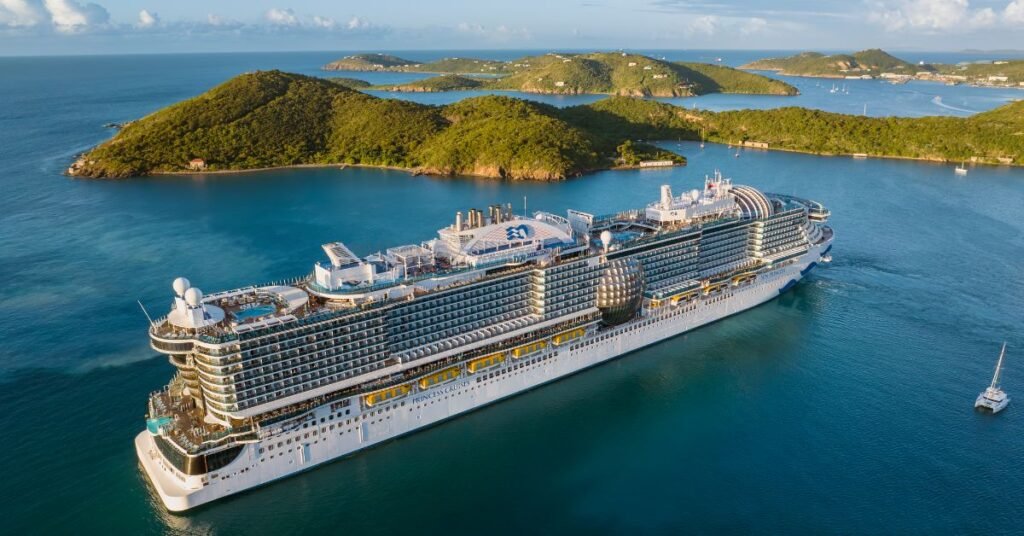
Wärtsilä has signed its first lifecycle service agreement covering Carnival Corporation’s LNG-fuelled cruise ships, securing an eight-year contract to provide maintenance and performance support for four cruise vessels across the Princess Cruises and Carnival Cruise Line fleets. The agreement, booked in Q2 2026, covers two vessels already in service and two newbuild cruise ships currently
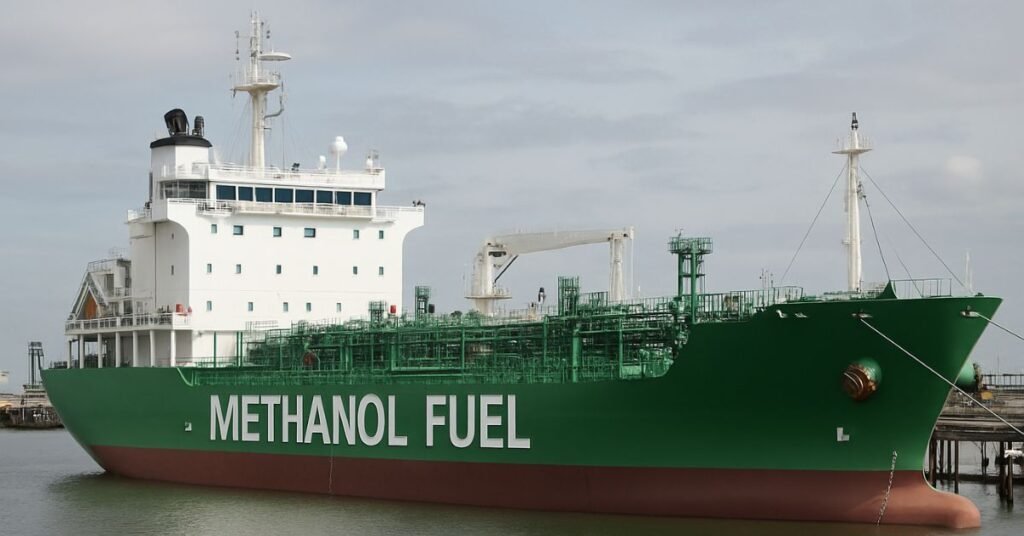
The Maritime Technologies Forum (MTF) has released new guidelines to help shipping companies develop and adapt Safety Management Systems (SMS) for methanol-fuelled vessels, supporting the safe adoption of one of the maritime industry’s fastest-growing alternative fuels. Developed in collaboration with BIMCO and other industry stakeholders, the guidance translates methanol-specific risks into practical recommendations aligned with