
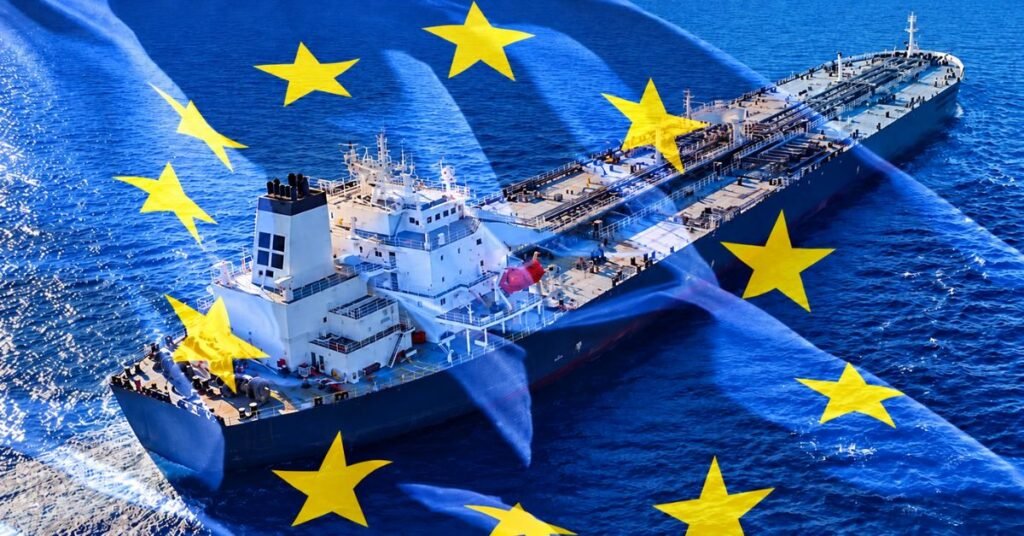
# EU Shipping E-Fuel Support Proposal Faces Calls for Stronger Investment Guarantees ## Short news summary Transport & Environment has called for changes to the EU’s proposed shipping support mechanism to help renewable fuel projects secure investment. An October 12 joint letter recommends reserving allowances for e-fuels and allowing support to be booked in advance, arguing that price incentives alone may not generate long-term purchasing commitments. ## Letter seeks stronger support for e-fuel investment EU shipping e-fuel support should provide greater certainty for producers and buyers, according to recommendations published by Transport & Environment. The joint letter addresses the proposed Sustainable Maritime Alternative Propulsion mechanism, known as SMAP, within negotiations on reforming the EU Emissions Trading System. It identifies potential support estimated at €15 billion between 2028 and 2040, while arguing that the mechanism needs a stronger connection to long-term fuel purchasing. The recommendations remain advocacy proposals. They do not establish new obligations or an operational funding entitlement. ## Two changes target the financing gap The letter proposes earmarking a substantial share of SMAP allowances for e-fuels. It also recommends a “book-in-advance” arrangement through which shipping companies could obtain greater confidence about future support before committing to fuel purchases. The underlying argument is that capital-intensive production projects need dependable, long-term customers to secure financing. Without confidence in future price support, shipowners may hesitate to sign the contracts that producers require. The signatories therefore want the mechanism to reward sustained e-fuel use and help projects progress towards final investment decisions. That is a commercial financing argument alongside an environmental one: the design of support influences whether prospective demand becomes a contract that lenders can assess. ## Commission proposal would reserve ETS allowances The European Commission’s July 2026 ETS revision proposal envisages reserving 110 million allowances for shipping support through 2040, beginning in 2028 or the first year after the directive enters into force. The proposed mechanism would help cover part of the price difference between conventional fossil fuels and eligible sustainable marine fuels. It would also support eligible zero-emission propulsion technologies and equipment required to use qualifying fuels, subject to the proposed conditions. This is broader than an e-fuel-only instrument. The latest recommendations seek to influence how support would be distributed within that wider scope. The legislative proposal must be distinguished from an agreed programme. Its final design, eligibility rules and implementation arrangements remain subject to the EU legislative process. ## Existing maritime carbon pricing provides the background Shipping entered the EU ETS in January 2024. The system places an allowance obligation on covered emissions, with a phased introduction: 40% of reported 2024 emissions, 70% of 2025 emissions and full coverage of emissions within the applicable scope from the 2026 reporting year. The geographical rules generally cover all emissions from voyages between covered European ports and emissions within those ports, plus half the emissions from voyages connecting covered ports with destinations outside the system. Methane and nitrous oxide enter maritime ETS coverage from 2026 alongside carbon dioxide. These existing requirements create a cost for emissions. SMAP would add a proposed support channel intended to help shipping invest in alternatives. ## FuelEU creates a separate demand signal FuelEU Maritime complements carbon pricing by limiting the annual average greenhouse-gas intensity of energy used aboard covered ships. Applicable from 2025, it begins with a 2% reduction against its reference level and becomes progressively more demanding, reaching 80% by 2050. The framework assesses emissions across the fuel lifecycle, including carbon dioxide, methane and nitrous oxide. For fuel producers, these requirements provide an indication of future demand for lower-emission energy. However, a regulatory requirement does not automatically settle which fuels customers will buy, at what price or under which contract duration. That gap between future compliance demand and bankable purchasing commitments is central to the current debate. ## Shipowners also seek greater revenue recycling A separate October 15 intervention from the European shipowners’ association, ECSA, called for at least tripling the ETS revenues earmarked through SMAP. Its position emphasises the scale of funding available for sustainable fuels and technologies, including energy-efficiency projects. The two interventions address related questions: how much support shipping receives and how effectively that support enables investment. They also highlight choices over the balance between near-term improvements and emerging fuel production. For shipowners, fuel developers and financiers, the outcome will influence contract negotiations and investment timing. The immediate issue is whether the final mechanism offers sufficiently predictable support to turn planned production into financed projects and sustained fuel supply. ## FAQs ### What is SMAP? The proposed Sustainable Maritime Alternative Propulsion mechanism within the EU ETS reform. ### What changes does the joint letter recommend? Earmarking allowances for e-fuels and introducing a book-in-advance support mechanism. ### Is SMAP already operational? It remains part of a legislative proposal under negotiation. ### Why do long-term fuel contracts matter? They can give producers greater revenue certainty when seeking project finance. ### How does FuelEU Maritime differ from the ETS? FuelEU limits energy’s greenhouse-gas intensity; the ETS requires allowances for covered emissions.

EU Shipping E-Fuel Support Proposal Faces Calls for Stronger Investment Guarantees

Summary Transport & Environment has called for changes to the EU’s proposed shipping support mechanism to help renewable fuel projects secure investment. An October 12 joint letter recommends reserving allowances for e-fuels and allowing support to be booked in advance, arguing that price incentives alone may not generate long-term purchasing commitments. Letter seeks stronger support

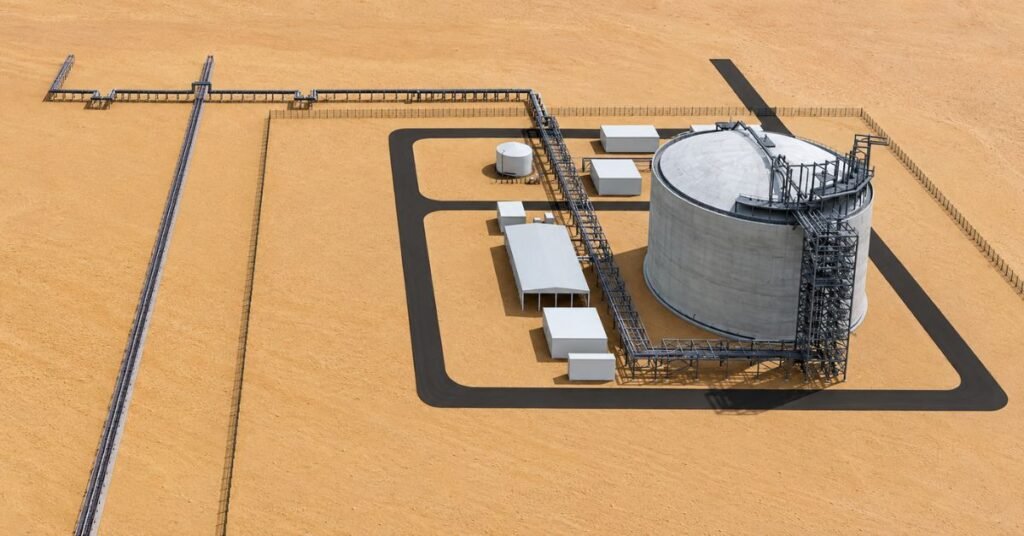
CMB.TECH Says Third-Party Demand Is Key to Walvis Bay Ammonia Bunkering Terminal Summary CMB.TECH Chief Technology Officer Roy Campe says the company's own ammonia-capable fleet will provide initial demand for its planned Walvis Bay ammonia bunkering terminal in Namibia, but third-party volumes from other shipowners, producers and traders will be essential to make it viable. CMB.TECH plans 21 ammonia-capable vessels by 2029, with a longer-term goal of over 40. Article Antwerp: Belgian shipowner CMB.TECH says ammonia bunkering infrastructure will need customers beyond early adopters to succeed, as it prepares to build a dedicated ammonia bunker terminal at Walvis Bay, Namibia. Speaking to bunker market intelligence platform ENGINE in an interview published on October 15, 2026, Chief Technology Officer Roy Campe said CMB.TECH's own vessels would create initial demand, but volumes from producers, traders and other shipping companies would be needed to scale the terminal and maximise utilisation. "Our aim is to kick-start an open market, not build a closed ecosystem," Campe said. How large is CMB.TECH's ammonia fleet? CMB.TECH plans to expand its ammonia-capable fleet to 21 vessels by 2029: 18 bulk carriers, one container ship and two chemical tankers. Its longer-term ambition is more than 40 ammonia-capable vessels, though it has not set a timeline for all of them. The first, the Newcastlemax bulk carrier Mineral Europa, has left the shipyard for Australia under charter to mining company Fortescue. Several more vessels are due for delivery over the next nine months. What is planned at Walvis Bay? Construction of the Walvis Bay terminal is scheduled to begin in 2027, with completion expected in late 2028 or early 2029. Ammonia will initially be imported from markets including Asia and North America, stored at the terminal and supplied to ships operating in the Atlantic. Campe said Namibia was chosen for its world-class solar resources, which offer some of the world's cheapest renewable energy, combined with a deep-sea port with room for expansion. Together, these provide a base for large-scale green ammonia production, storage and bunkering. How do the risks differ for ships and terminals? Campe said investing in both ships and bunkering infrastructure helps address shipping's chicken-and-egg problem, letting supply and demand scale together. He explained that the risks differ. Ammonia-capable vessels are long-term assets, and dual-fuel engines let them run on conventional fuels while the ammonia market develops, so the main risk is the pace at which ammonia becomes competitive. Bunkering terminals, by contrast, carry location-specific risk. Their profitability depends on throughput at a particular port, leaving them more exposed to local demand, regulation and timing. If demand develops slowly, utilisation targets may take longer to reach. Will CMB.TECH invest in other ports? Campe said CMB.TECH would consider other locations. The company holds a stake in Jiangsu Andefu Energy Technology, one of China's largest ammonia supply chain companies, and has an offtake agreement with CEEC Hydrogen Energy in Jilin. Under that deal, CMB.TECH will buy 20,000-25,000 tonnes of green ammonia in the first year, rising to 40,000-50,000 tonnes a year in years two to four, delivered by ship-to-ship transfer. The partnership also supports an ammonia terminal in Panjin, China, due to open in 2027, and the converted gas carrier Shenghang Yongle, which recently entered service as an ammonia bunker vessel. Does ammonia bunkering need a global network? Campe said ammonia bunkering can start around a small number of strategic hubs on established trade routes, with safe, reliable supply as the priority before 2030. A wider global network can follow as the fleet grows. He called for a clear, predictable global regulatory framework to close the cost gap with fossil fuels, including lifecycle-based greenhouse gas standards, a meaningful emissions price and consistent fuel certification, ideally led by the IMO. Why does it matter? Campe's comments highlight the key commercial hurdle for ammonia bunkering: terminals need steady throughput, but few ammonia-fuelled ships exist yet. Hub-based supply, backed by owners who also invest in fuel infrastructure, could bridge that gap. Singapore's new ammonia bunkering standard, TR 148, and India's green ammonia ambitions at hubs such as Kandla and VOC Thoothukudi show how ports are positioning to become early supply points on major routes. FAQs What is CMB.TECH building at Walvis Bay? An ammonia bunkering terminal in Namibia, with construction starting in 2027 and completion expected in late 2028 or early 2029. How many ammonia-capable ships will CMB.TECH operate? 21 vessels by 2029, with a longer-term goal of more than 40. Why does the terminal need third-party demand? CMB.TECH's fleet provides initial volumes, but wider demand from other shipowners, producers and traders is needed for full utilisation. Where will the terminal's ammonia come from initially? It will be imported from markets including Asia and North America. What regulation does CMB.TECH want? A predictable global framework with lifecycle GHG standards, an emissions price and consistent fuel certification, ideally led by the IMO.

CMB.TECH Says Third-Party Demand Is Key to Walvis Bay Ammonia Bunkering Terminal

Summary CMB.TECH Chief Technology Officer Roy Campe says the company’s own ammonia-capable fleet will provide initial demand for its planned Walvis Bay ammonia bunkering terminal in Namibia, but third-party volumes from other shipowners, producers and traders will be essential to make it viable. CMB.TECH plans 21 ammonia-capable vessels by 2029, with a longer-term goal of
PetroChina Set for First LNG Bunkering in Singapore

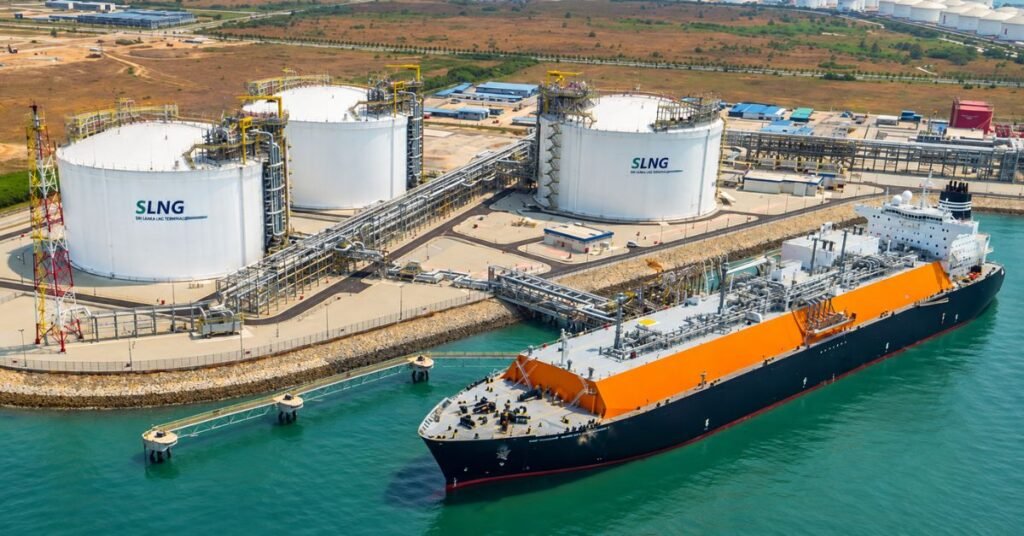
PetroChina Set for First LNG Bunkering in Singapore, Adds Methanol Bunker Vessel

Summary PetroChina International is preparing its first LNG bunkering operation in Singapore after securing one of eight new LNG bunker supplier licences. The state-owned group’s trading arm, which holds about 10% of Singapore’s bunker market, is also completing the purchase of a methanol bunkering vessel as it expands into alternative marine fuels. Article Singapore: PetroChina
CLPe and CNOOC Complete Hong Kong's First LNG Bunkering of a Car Carrier

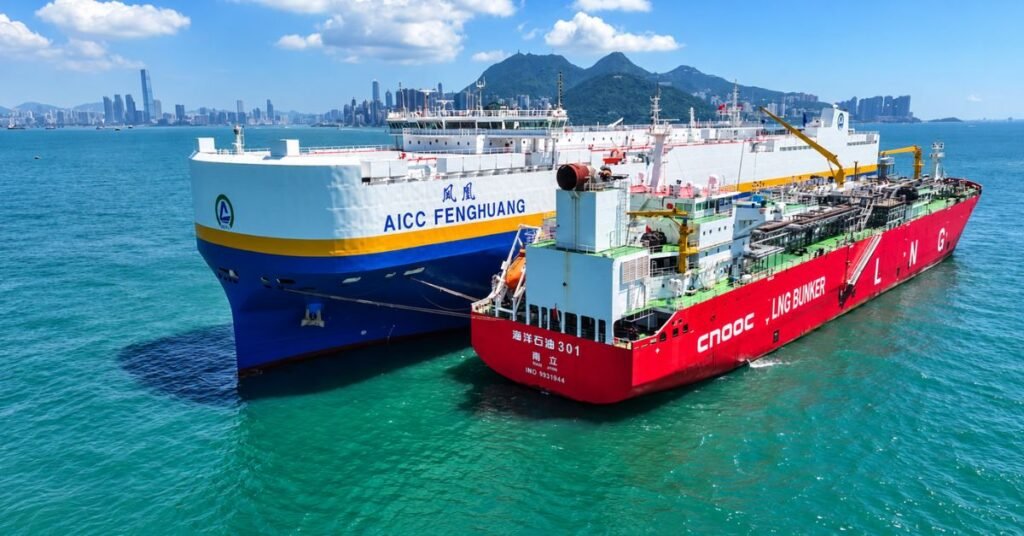
CLPe and CNOOC Complete Hong Kong’s First LNG Bunkering of a Car Carrier

Summary CLPe and CNOOC (Shenzhen) International Marine Clean Energy have completed Hong Kong’s first ship-to-ship LNG bunkering for a pure car and truck carrier. About 2,600 m³ of LNG was delivered to the 7,000-vehicle AICC Fenghuang at Western Anchorage No. 3 in around six hours, using CNOOC’s Haiyang Shiyou 301 before the ship sailed for
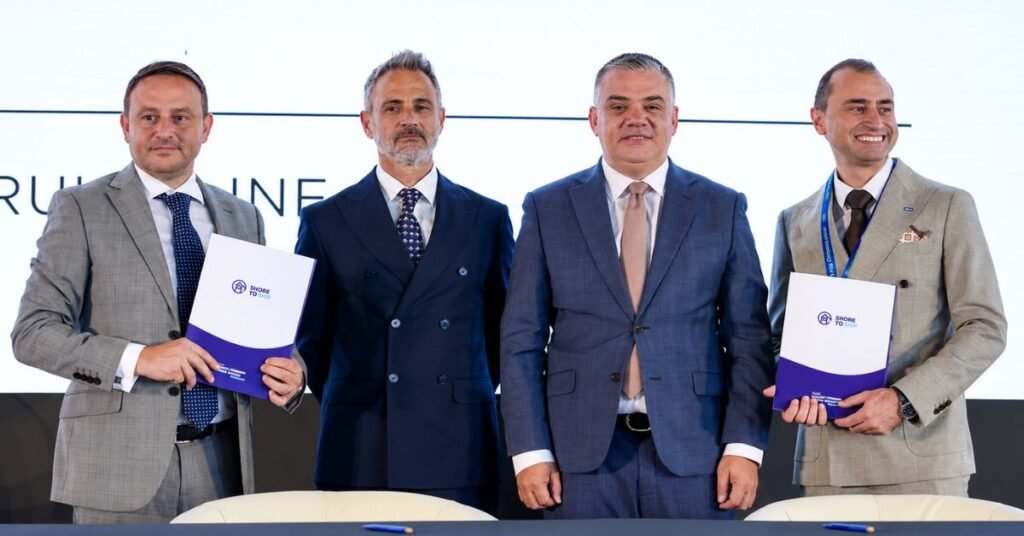
Transport Malta Signs Shore Power Agreement

Transport Malta Signs Shore Power Agreement with Norwegian Cruise Line Holdings

Summary Transport Malta has signed a Shore Power Purchase Agreement with Norwegian Cruise Line Holdings, allowing its cruise ships to connect to Malta’s electricity grid while berthed. It is the fourth such agreement under Malta’s Shore-to-Ship Project, letting ships power lighting and air conditioning from shore instead of running engines in port, cutting emissions and
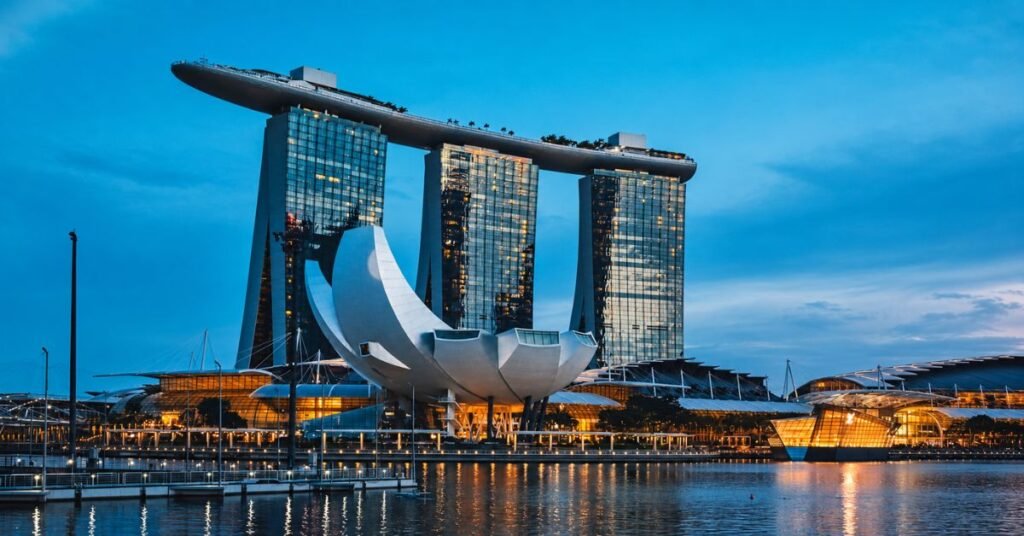
Singapore Unveils Ammonia Bunkering Standard

Singapore Unveils Ammonia Bunkering Standard, First Ethanol Bunkering and LNG Storage Plans

Summary Singapore has announced a package of multi-fuel bunkering and digitalisation measures at SIBCON 2026. They include a new Technical Reference for ammonia bunkering, the port’s first ethanol bunkering operation with Maersk at Pasir Panjang, licences for LNG floating storage units, new fuel quality standards, Phase 2 of digital bunkering and grants for electric harbour
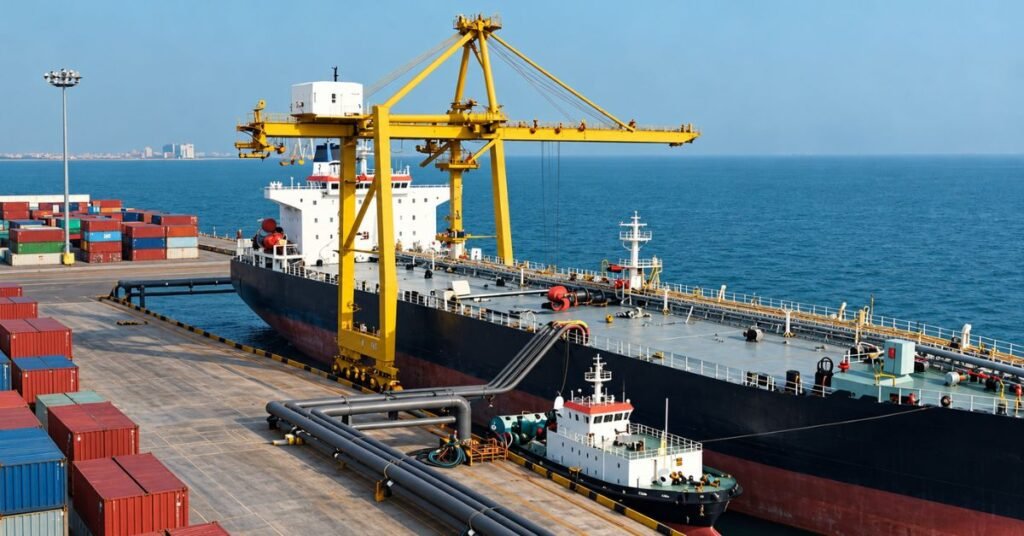
TR 148 Ammonia Bunkering Standard

Singapore Launches TR 148 Ammonia Bunkering Standard and Model Contract to Prepare for Ammonia-Fuelled Ships

Summary Singapore has launched a new Technical Reference for Ammonia Bunkering, TR 148, setting requirements for safety, procedures, custody transfer and crew competencies. The Singapore Chamber of Maritime Arbitration has released a draft Singapore Ammonia Bunkering Form for public consultation until January 14, 2027. Together, they give the industry a technical and commercial framework for
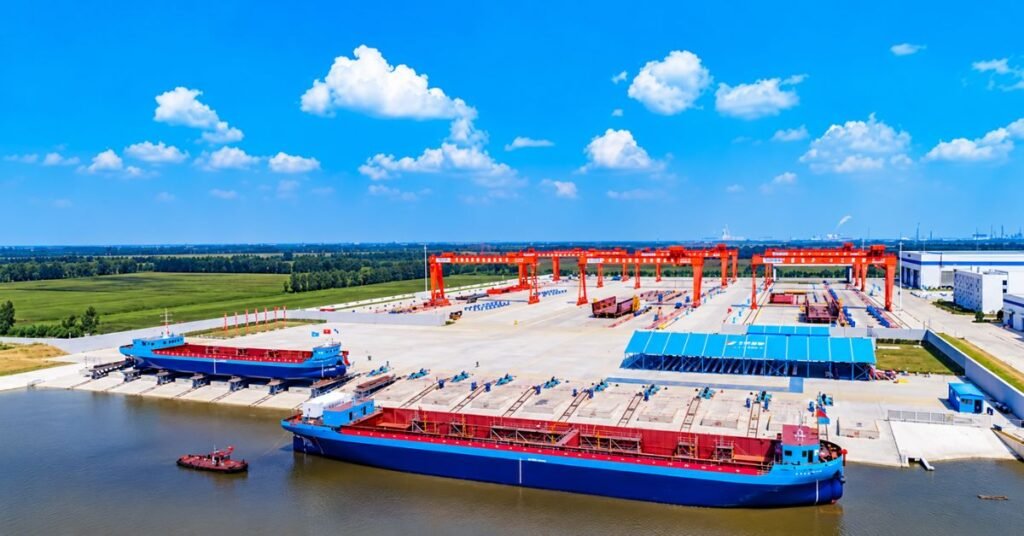
China Targets Doubling New Energy Inland Vessels by 2028 Under 2026-2030 Action Plan Summary China's Ministry of Transport, Ministry of Industry and Information Technology and National Energy Administration have issued a 2026-2030 action plan to scale up new energy vessels on inland waterways. It aims to double the fleet from 2025 levels by 2028, build methanol refuelling along the Yangtze and charging networks in the Yangtze River Delta, and create a 3,000 km zero-carbon waterway corridor. Article Beijing: China has issued a five-year roadmap to accelerate the adoption of new energy vessels on its inland waterways, with a focus on electric and methanol-powered ships. The Ministry of Transport, the Ministry of Industry and Information Technology and the National Energy Administration jointly released the Action Plan for the Promotion and Application of New Energy Inland Waterway Vessels (2026-2030), according to China Transportation News Network. What does the plan aim to do? The plan seeks to support the restructuring of China's industrial, energy and transport sectors. It combines a market-led approach with government guidance, and focuses on scenario-driven deployment and innovation. Building on the existing growth of LNG-powered vessels, the plan prioritises the full-scenario application, supply chain support and high-standard development of electric and methanol-powered inland ships. How big is China's new energy inland fleet? China ranks among the world leaders in the scale and application of new energy inland vessels. By the end of 2025, it had more than 1,200 new energy and clean energy vessels operating on inland waterways, including several high-tech vessels. What are the targets? The plan sets phased goals: By 2028: • Double the number of new energy inland vessels compared with 2025 • Achieve initial full-scenario demonstration applications • Fully establish methanol refuelling services along the Yangtze River main line • Largely complete charging and battery-swapping facilities for vessels across the Yangtze River Delta waterway network • Largely complete the "two horizontal and one vertical" green shipping channels and pilot zones for vessel electrification, forming a 3,000 km zero-carbon waterway transport corridor By 2030: • Achieve initial large-scale application of new energy vessels What are the key tasks? The plan sets out 11 key tasks, including: • Promoting multi-scenario use of new energy ships • Improving energy supply security • Encouraging innovative business models • Strengthening shipbuilding and manufacturing support • Optimising operation and management • Improving standards, regulations and supervision • Strengthening research on key technologies It also calls for stronger policy support, pilot projects and organisational implementation. How does it fit China's wider fuel transition? The plan complements China's rapid build-out of alternative fuel bunkering at its coastal ports. Guangzhou Port recently completed its first terminal-based green methanol bunkering for a COSCO 16,000-TEU container ship, while Ningbo-Zhoushan has carried out LNG, methanol and biofuel bunkering on the same day. Why does it matter? China's inland waterways, led by the Yangtze, form the world's busiest river freight system. Electrifying and converting this fleet to methanol at scale would cut emissions from a major source of domestic freight, while building large markets for marine batteries, charging infrastructure, methanol engines and green fuel supply. The plan is also relevant for India, which is expanding cargo movement on its National Waterways and has started deploying clean-energy vessels, including a hydrogen fuel cell inland waterway vessel built by Cochin Shipyard under the Harit Nauka initiative. China's approach, which pairs fleet targets with refuelling, charging and standards, offers a model for scaling green inland shipping. FAQs Who issued China's new energy inland vessel action plan? The Ministry of Transport, the Ministry of Industry and Information Technology and the National Energy Administration. How many new energy inland vessels did China have by end-2025? More than 1,200 new energy and clean energy vessels. What is the 2028 target? To double the number of new energy inland vessels compared with 2025 and form a 3,000 km zero-carbon waterway corridor. Which fuels does the plan prioritise? Electric and methanol power, building on existing LNG-powered vessels. How many key tasks does the plan include? Eleven, covering vessel deployment, energy supply, business models, manufacturing, operations, standards, supervision and technology research.

China Targets Doubling New Energy Inland Vessels by 2028 Under 2026-2030 Action Plan

Summary China’s Ministry of Transport, Ministry of Industry and Information Technology and National Energy Administration have issued a 2026-2030 action plan to scale up new energy vessels on inland waterways. It aims to double the fleet from 2025 levels by 2028, build methanol refuelling along the Yangtze and charging networks in the Yangtze River Delta,
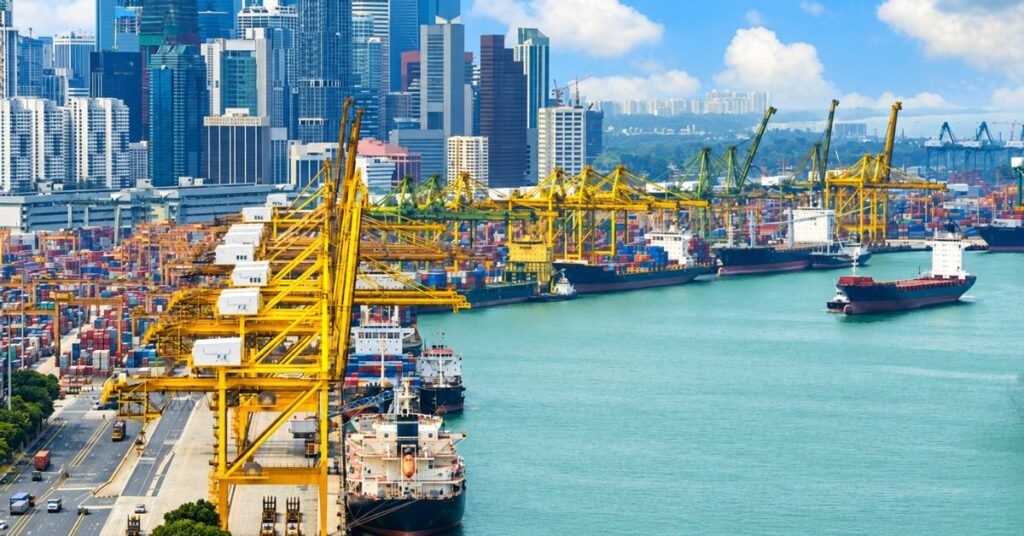
Singapore Offers Up to S$250,000 per Vessel

Singapore Offers Up to S$250,000 per Vessel to Spur Electric Harbour Craft Adoption

Summary The Maritime and Port Authority of Singapore will give owners of new fully electric harbour craft up to S$250,000 per vessel under a two-year Early Adopter Scheme starting January 1, 2027. The grant pays S$250 per kWh of propulsion battery capacity, as Singapore’s 1,600-strong, largely diesel harbour craft fleet works towards net-zero emissions by
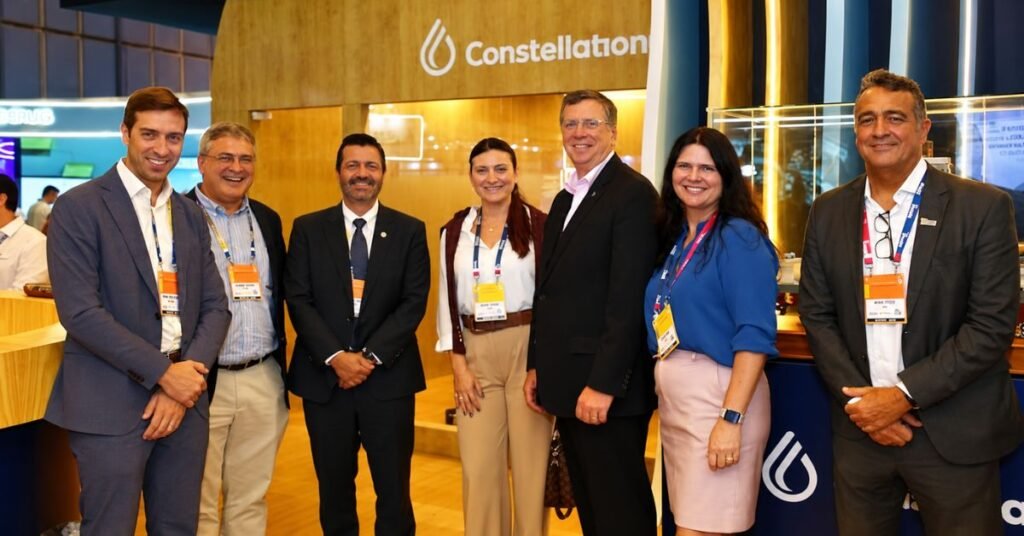
ABS and Constellation Sign MoU

ABS and Constellation Sign MoU to Study Battery Energy Storage for Offshore Drilling Units

Summary The American Bureau of Shipping (ABS) and offshore drilling contractor Constellation have signed a memorandum of understanding (MoU) at ROG.e 2026 to assess the use of battery energy storage systems on offshore drilling vessels. The study will examine closed-bus power operations to improve generator efficiency, reduce emissions and strengthen power system resilience. Separately, ABS

казино олимп non gamstop casino uk chicken road aviator non gamstop casino