
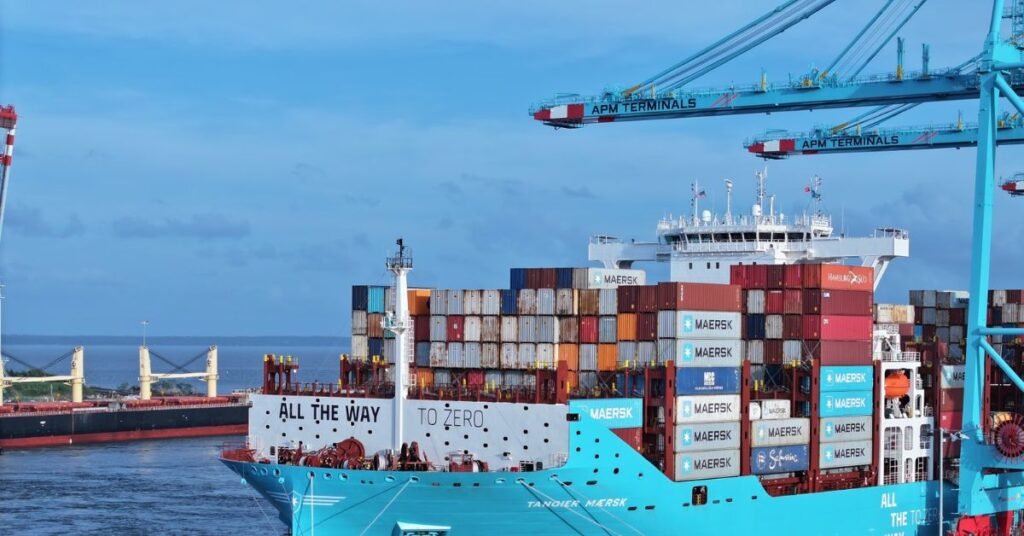
Summary WinGD has completed the first in-service operation of its X-DF-M/E alcohol-fuel engine platform using ethanol, following the successful bunkering and voyage of Maersk’s 9,000 TEU container ship Tangier Maersk from Houston to New York. The operation at the Port of Houston in September marked the first marine bunkering of a 100% bioethanol blend in

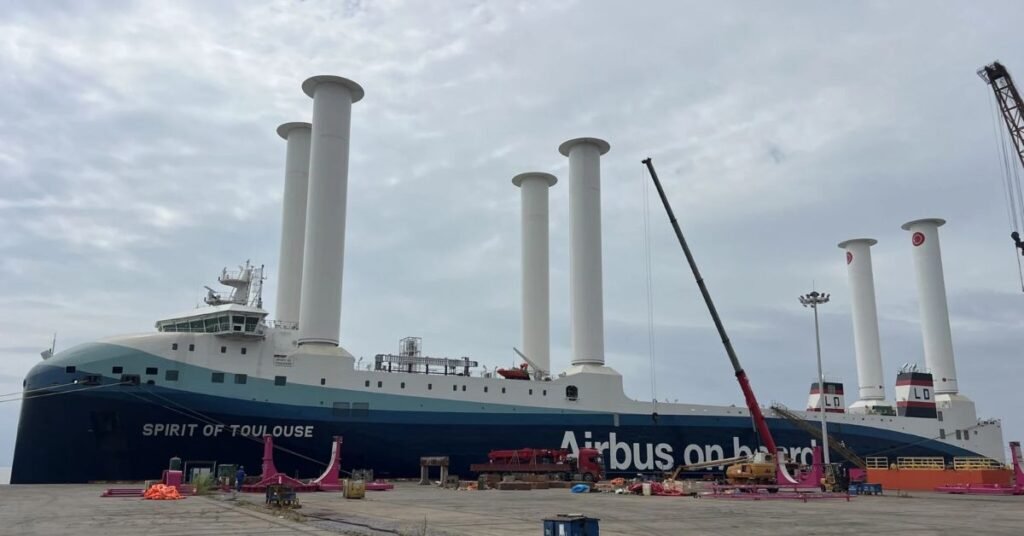
Summary LD Armateurs has completed the installation of six Norsepower rotor sails on Spirit of Toulouse, the first of three new cargo ships chartered to Airbus. The vessel combines wind-assisted propulsion with methanol-capable engines as part of a programme to reduce emissions from transatlantic aircraft-component transport. Installation completed ahead of sea trials Six Norsepower rotor
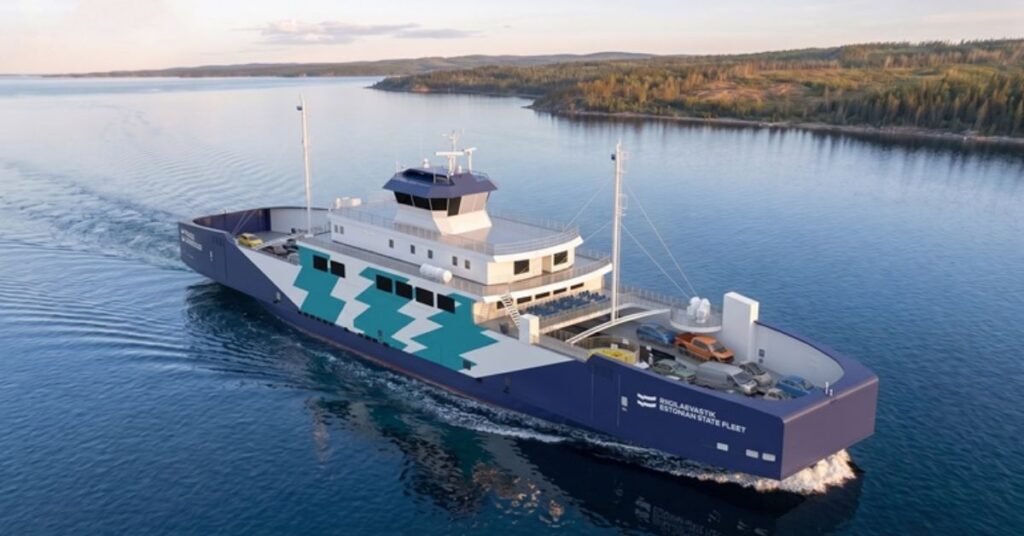
Summary Estonia’s first fully electric passenger ferry will use two next-generation Steerprop contra-rotating propulsion units, combining battery-powered routine operations with capability for demanding Baltic conditions. The vessel, ordered from Poland’s CRIST shipyard, is scheduled to enter service on the Virtsu–Kuivastu route in late 2028, with biodiesel generators providing backup. Propulsion equipment selected for island ferry
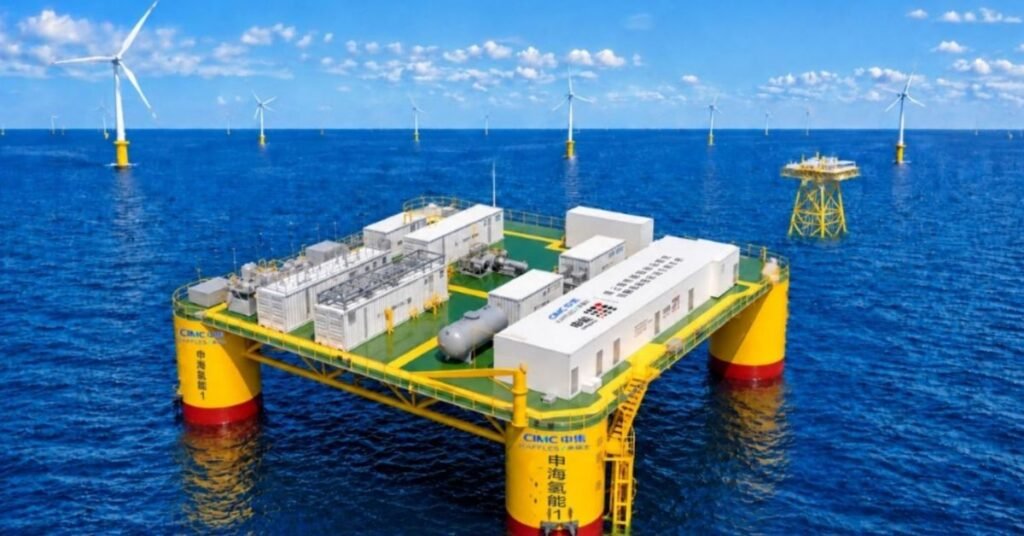
Summary CIMC Raffles has launched “Shenhai Hydrogen Energy No. 1,” described by the company as the world’s first semi-submersible offshore wind-to-hydrogen platform. The unit is undergoing onshore commissioning before deployment in the South China Sea, where it will test hydrogen production, storage and remote operation under marine conditions. Commissioning precedes offshore deployment The offshore wind-to-hydrogen
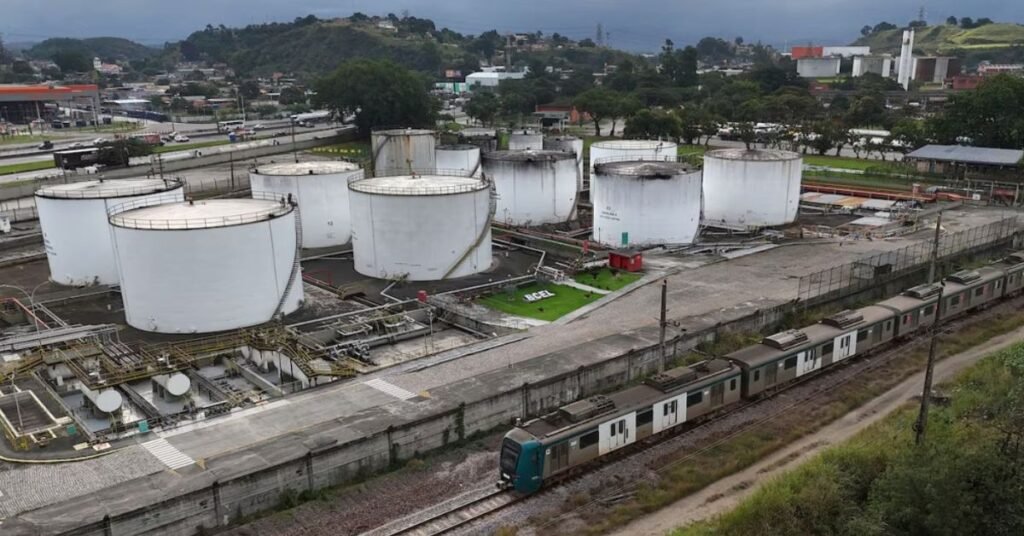
Summary Demand for lower-carbon marine fuels is weakening as shipowners await clarity on global emissions rules and weigh alternative compliance options. Singapore’s marine biofuel sales fell sharply during January–September 2026, while industry executives say regulatory uncertainty is limiting uptake despite the availability of cleaner fuels and investments in dual-fuel ships. Biofuel demand reveals an uneven
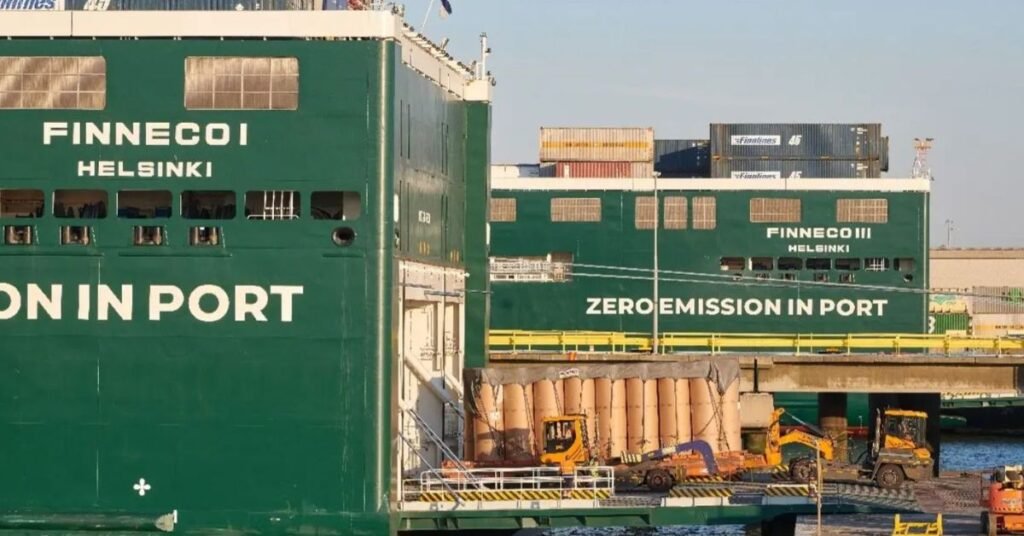
Summary Finnlines and Stora Enso have expanded their cooperation to reduce emissions from transporting packaging board and wood-based products. Stora Enso will use the Finnlines Green Lane service, which replaces an equivalent amount of fossil-fuel energy with renewable alternatives within the shipping company’s network and provides verified emissions-reduction documentation. Industrial cargo partnership adopts lower-carbon transport
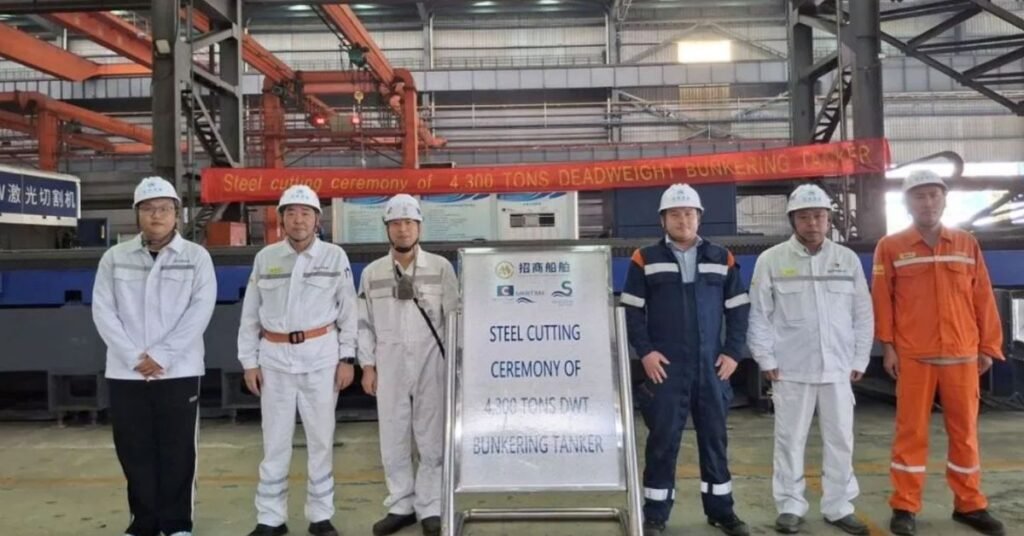
Summary Construction has begun on Cap Morgiou, the first of two Sogestran bunker vessels intended to serve Petroineos in southern France. The ships will handle conventional fuels, biofuels and e-methanol, expanding delivery flexibility across the Marseille, Fos and Toulon areas. The first vessel is expected to arrive in early 2028. First vessel moves into construction
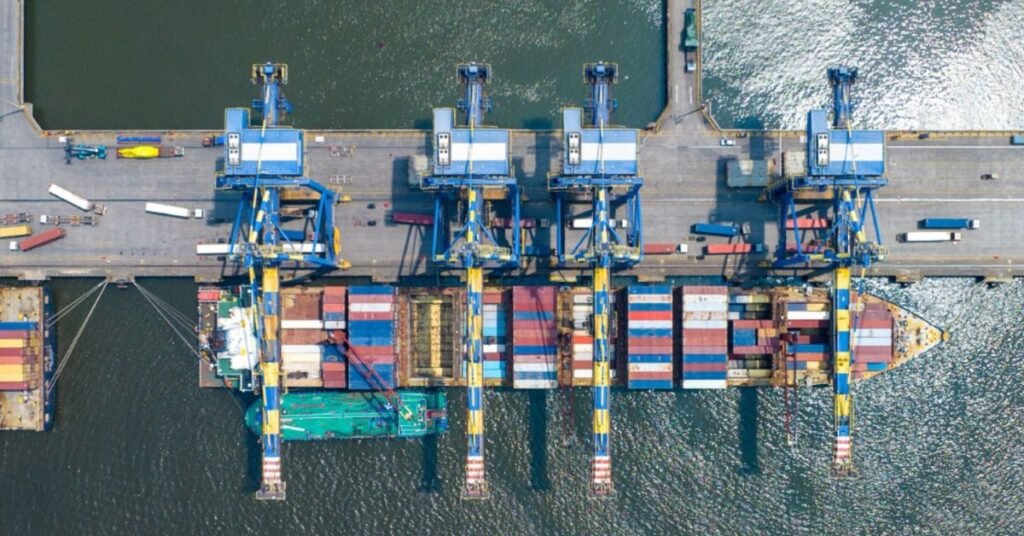
Summary Shipowners are changing bunker buying strategies as the Middle East conflict disrupts routes and keeps fuel prices elevated. Suppliers report more spot purchases, shorter contracts and greater use of alternative refuelling ports. The changes are spreading demand across a wider network while increasing the complexity of marine-fuel procurement. Buyers shorten commitments and spread purchases
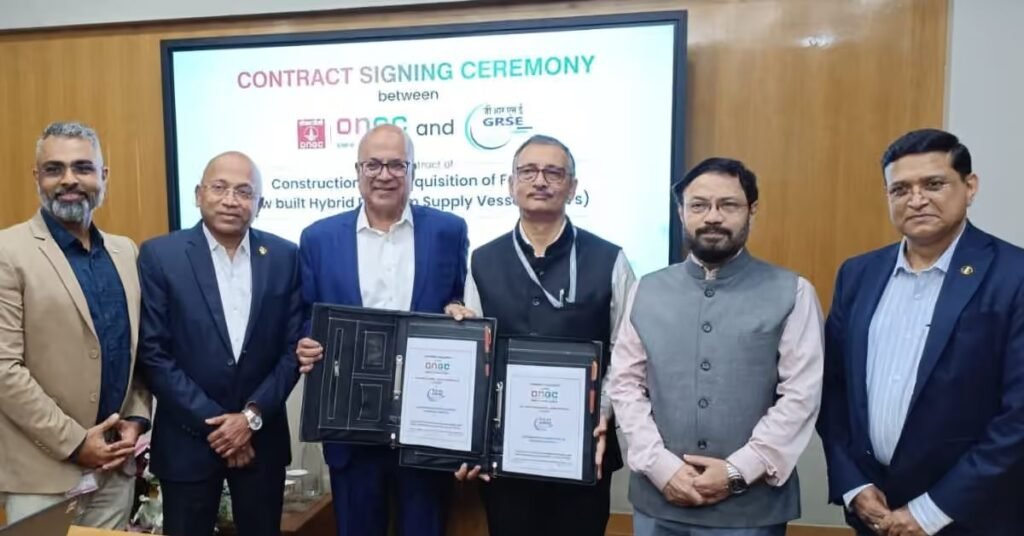
Summary Garden Reach Shipbuilders & Engineers (GRSE) has signed a contract with Oil and Natural Gas Corporation (ONGC) to build four hybrid platform supply vessels under a ₹1,032.07-crore order awarded in July 2026. The vessels will feature electrically driven azimuth thrusters and lithium-ion battery energy storage for offshore exploration and production support. The programme, scheduled
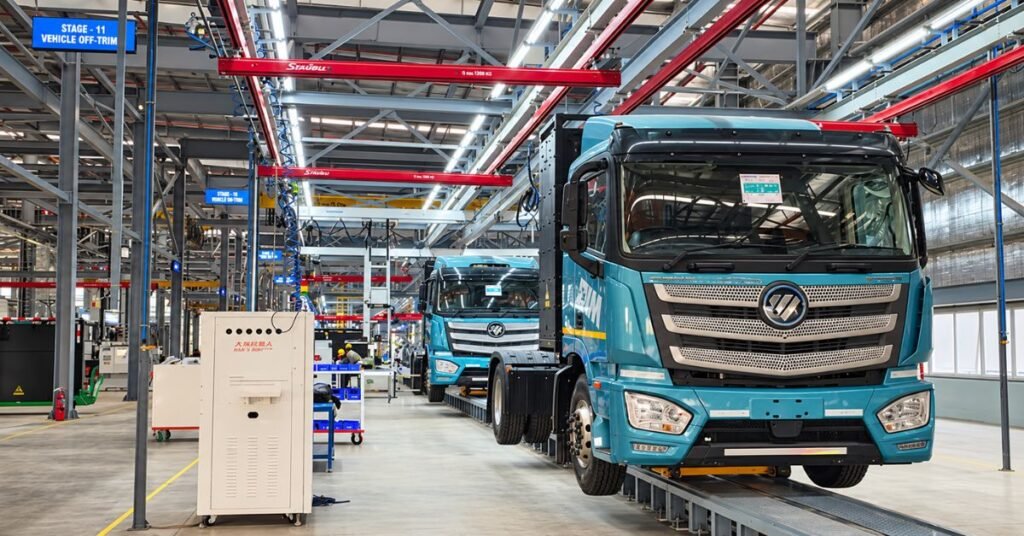
Summary Energy In Motion (EIM) has inaugurated a ₹500-crore electric heavy commercial vehicle manufacturing complex at Ambi in Talegaon, Pune, Maharashtra. The facility integrates vehicle assembly, lithium-ion battery-pack production and battery testing, with an initial annual assembly capacity of 5,000 vehicles per shift. The project marks the first phase of a planned ₹1,000-crore investment in