
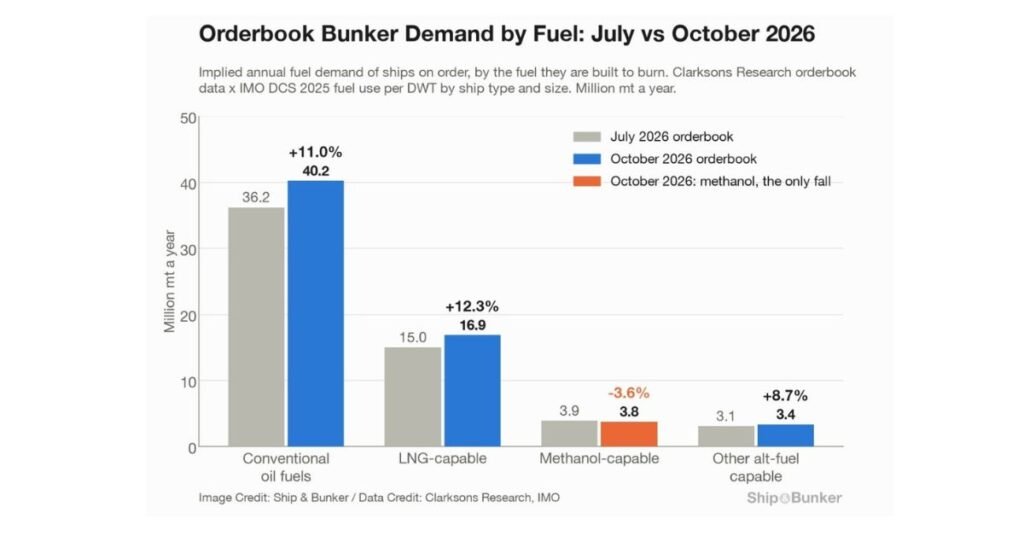
Summary Estimated annual fuel requirements from ships on order have increased 10.3% since July, reaching 64.2 million tonnes of oil equivalent. Conventional oil remains the largest category, while LNG continues to expand. Methanol’s estimated requirement has declined despite an increase in vessel numbers, highlighting the importance of ship size and type. Newbuilding pipeline points to

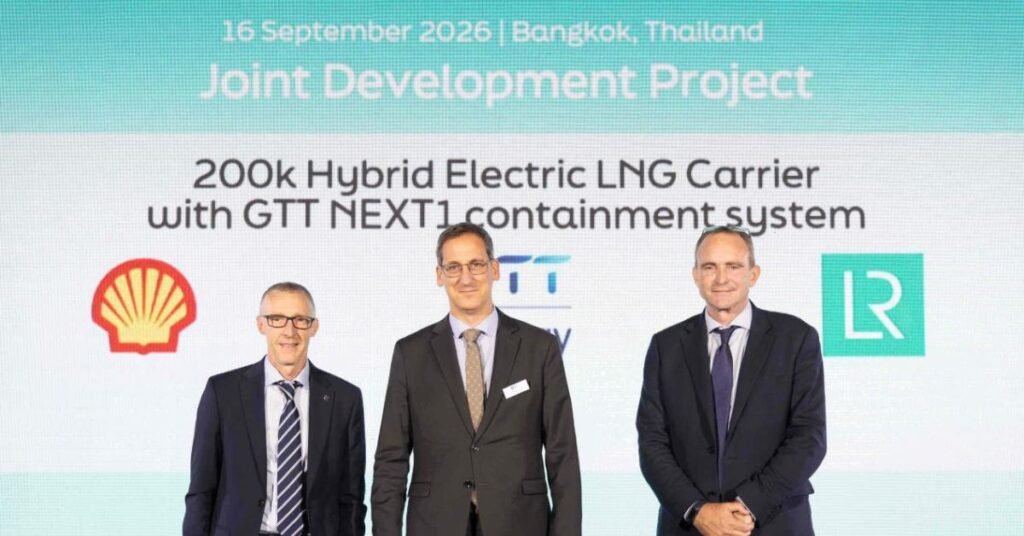
Summary Lloyd’s Register (LR), Shell and GTT have launched a Joint Development Project (JDP) to develop a conceptual 200,000 m³ liquefied natural gas (LNG) carrier featuring hybrid-electric propulsion and GTT NEXT1® cargo containment technology. The project will assess propulsion system architecture, safety, redundancy, battery integration and total cost of ownership (TCO), alongside the integration of
Summary The Port of Rotterdam has joined MI – The Global Methanol Alliance, formerly the Methanol Institute, as a member and Board participant. Northern Europe’s largest methanol hub handles more than 3 million tonnes of methanol a year, pioneered barge-to-ship methanol bunkering and is preparing for growing volumes of renewable and low-carbon methanol for shipping
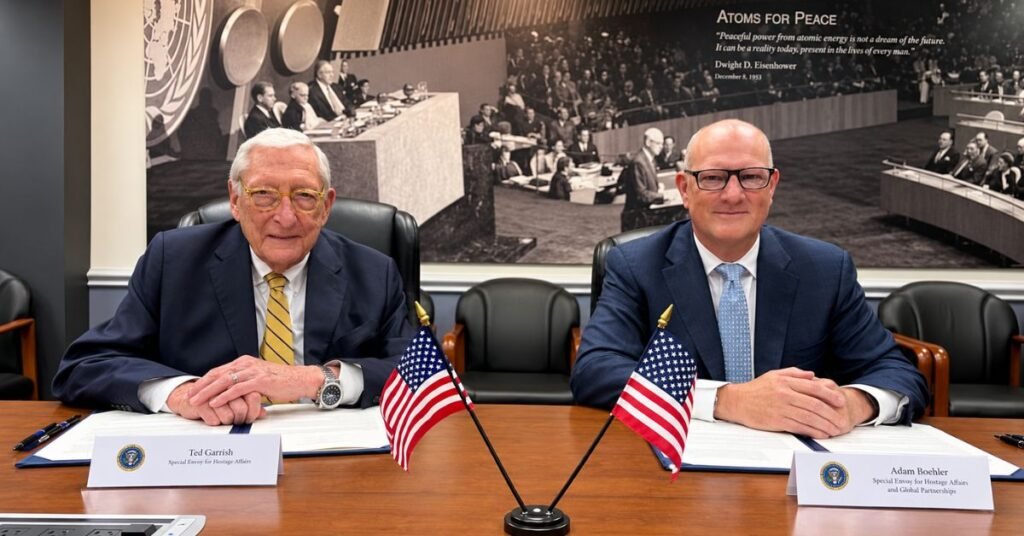
The American Bureau of Shipping (ABS) and the U.S. Department of Energy (DOE), through its Office of Nuclear Energy, have signed a memorandum of understanding (MOU) to advance the development of advanced nuclear technology for commercial maritime applications. Announced on 12 October 2026, the agreement covers floating nuclear power systems, nuclear-powered vessels and the infrastructure
Repsol has completed deliveries of B30 co-processed marine gasoil (MGO) to Norwegian Cruise Line Holdings Ltd. (NCLH) at the Port of Barcelona, Spain. The deliveries, announced on 12 October 2026, form part of a multi-energy agreement between the companies covering renewable marine fuels for NCLH’s existing fleet and the development of future fuel options. B30
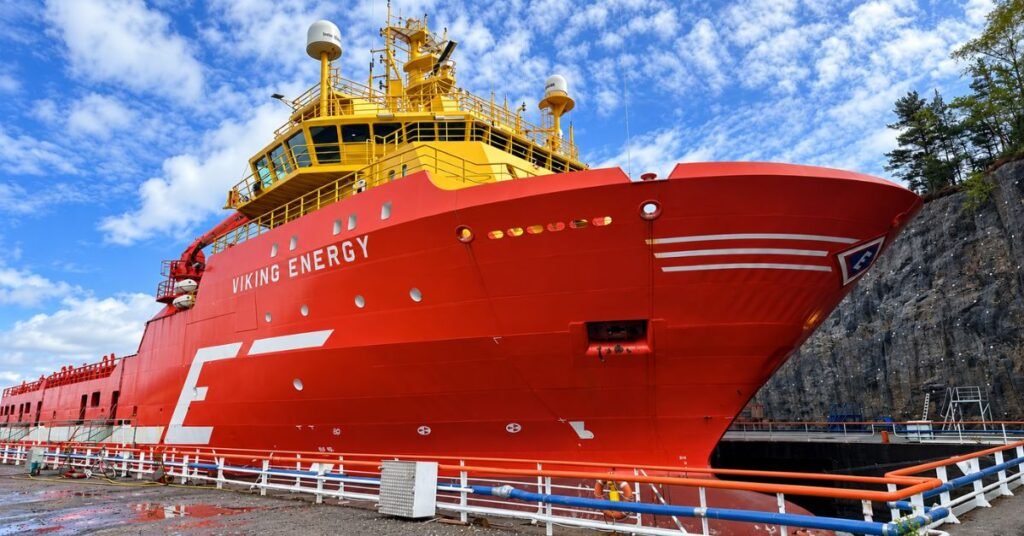
Azane Fuel Solutions has received approval from the Norwegian Directorate for Civil Protection (DSB) to conduct a test bunkering of up to 73 tonnes of ammonia to the offshore vessel Viking Energy. The operation, planned for October or November 2026 at Stord, Norway, will support the commissioning of ammonia fuel systems being installed under the
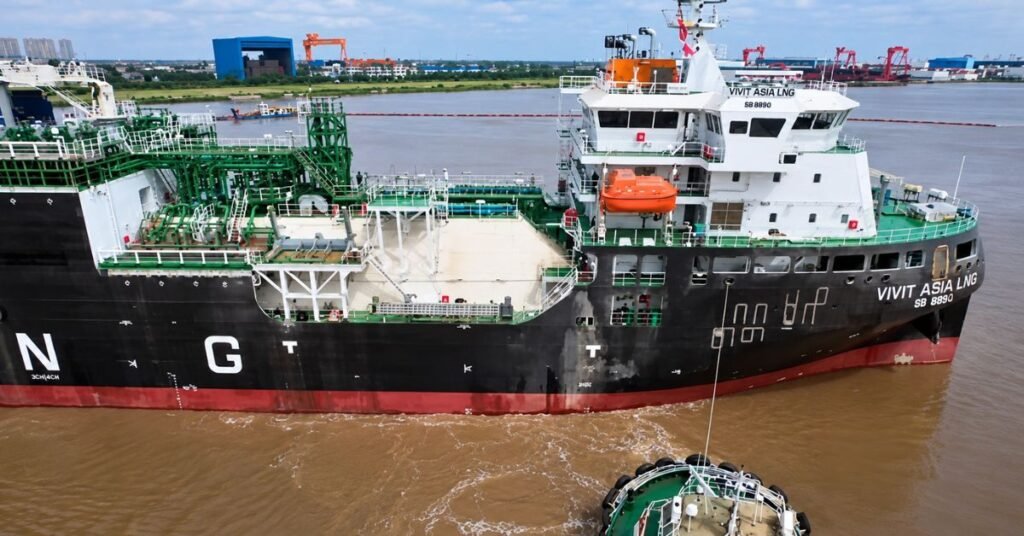
Vitol Bunkers plans to launch liquefied natural gas (LNG) bunkering operations in Asia in late 2026 following the completion of sea trials for its 12,500-cubic-metre LNG bunkering vessel, Vivit Asia LNG. The company also plans to continue expanding its LNG bunkering vessel fleet into 2027. Vivit Asia LNG to Support Regional Bunkering In a LinkedIn
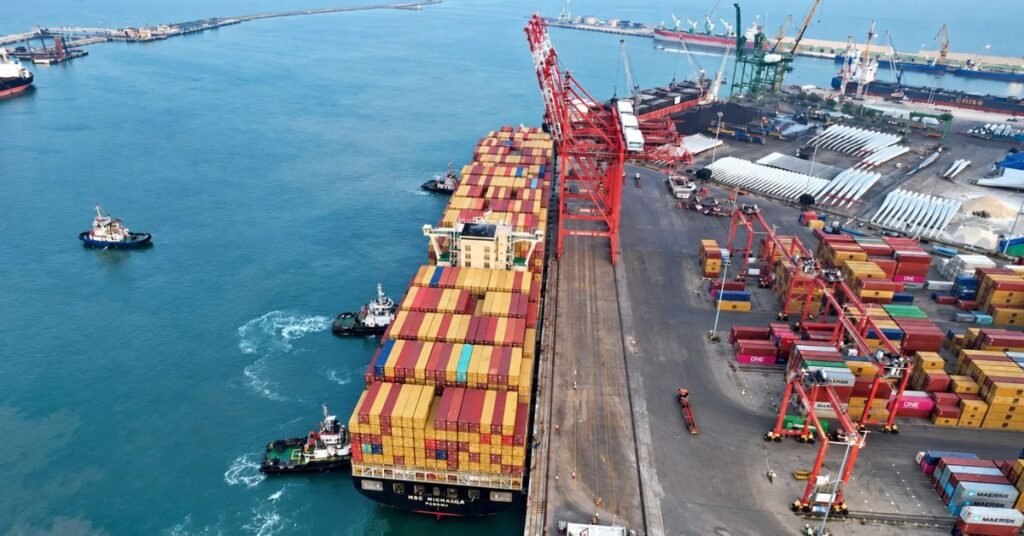
Summary V.O. Chidambaranar Port has inaugurated a ₹38.12-crore green methanol bunkering and refuelling facility in Thoothukudi. Two storage tanks and a dedicated pipeline to the oil jetty strengthen its alternative-fuel infrastructure. The opening forms part of a wider port development package, alongside new hydrogen and container-handling projects. Dedicated storage connects with the oil jetty Green
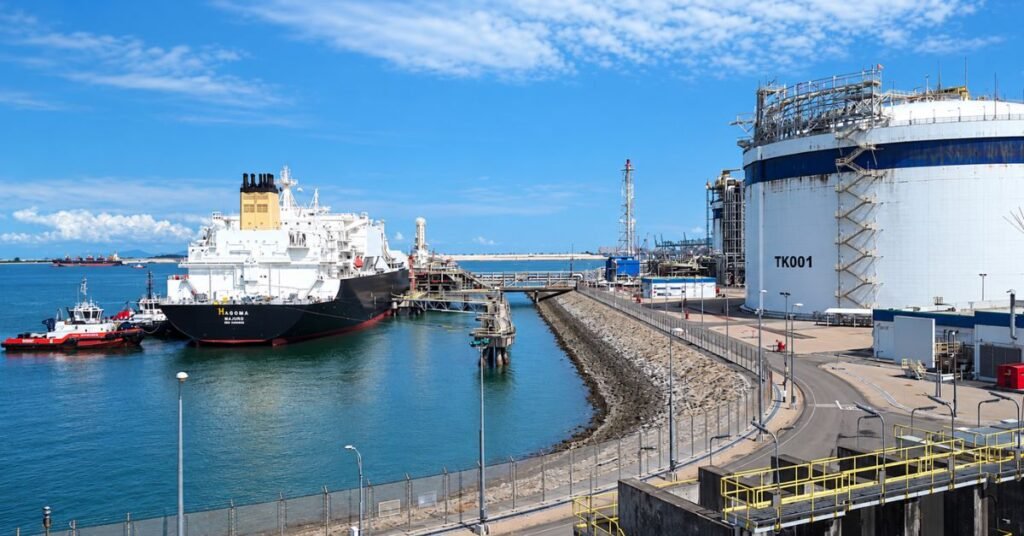
Summary Shell and Singapore LNG Corporation have imported the SLNG terminal’s first ISCC EU-certified bio-LNG cargo, delivered aboard Macoma. The shipment used US-sourced biomethane accounted for through a mass-balance system within conventional LNG infrastructure, demonstrating a certified supply pathway for potential use in power generation, shipping and trucked LNG markets. Certified import connects overseas supply
Summary A new SafeSBU guideline provides ports and maritime stakeholders with a shared framework for introducing methanol, ammonia and hydrogen safely. Developed through a Danish research partnership, it connects storage, bunkering and onboard use with risk assessment, workforce competence, emergency preparedness and organisational readiness, while allowing adaptation to local operating conditions. Common approach covers the