
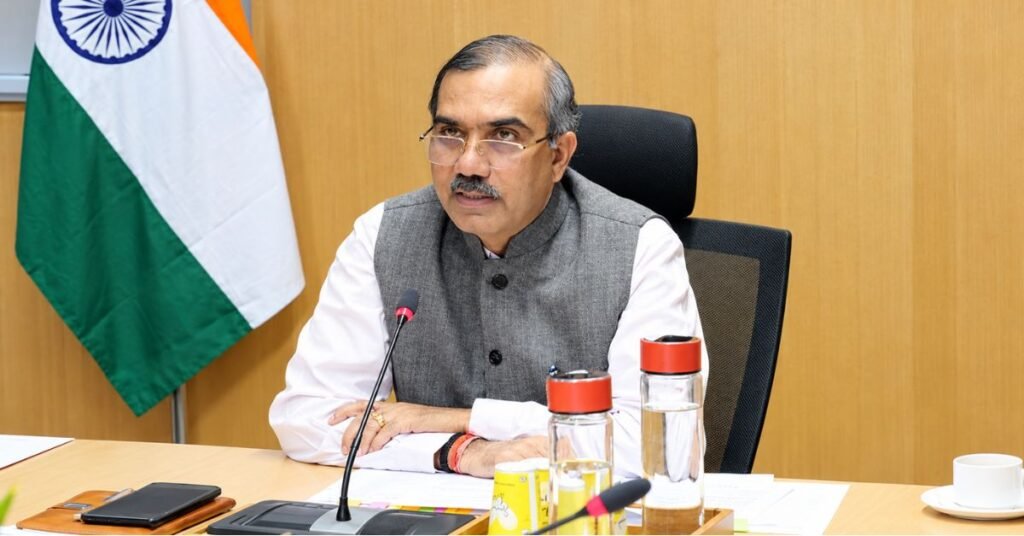
India is positioning itself to produce green hydrogen derivatives for international markets at competitive prices, supported by expanding renewable energy capacity and government-backed investments in the sector, according to Abhay Bakre, Mission Director for the National Green Hydrogen Mission at the Ministry of New and Renewable Energy (MNRE). Bakre said India could supply cleaner fuels

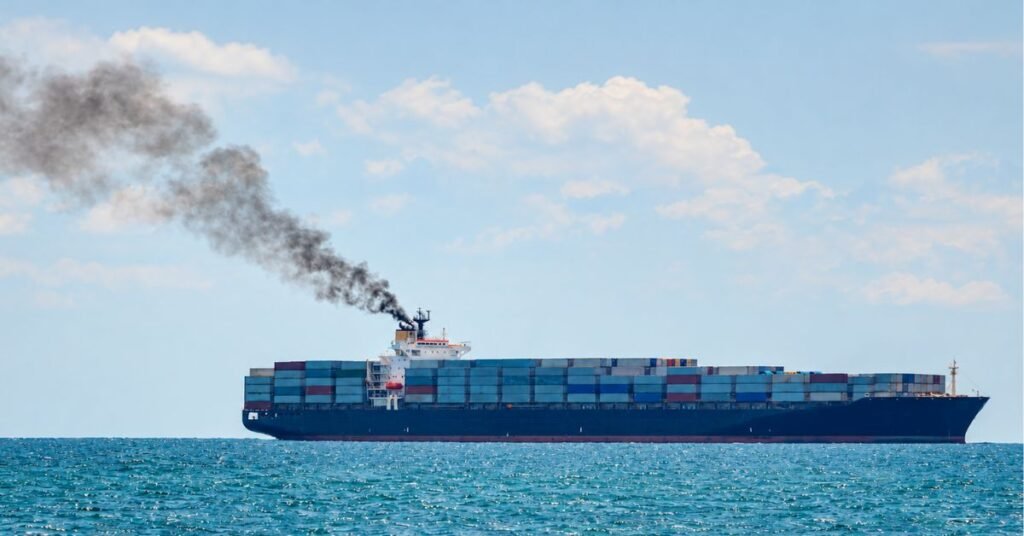
International shipping faces a growing risk of missing its 2030 zero-emission fuel goal as regulatory uncertainty weakens investment, despite advances in alternative-fuel vessels and bunkering infrastructure. An assessment released at New York Climate Week on 22 September 2026 identifies delayed global rules as a major obstacle to accelerating maritime decarbonisation. The report, Climate Action in
Google, Microsoft and logistics provider DSV have joined the Zero Emission Maritime Buyers Alliance (ZEMBA), expanding a collective purchasing initiative aimed at reducing shipping emissions across global supply chains. Announced on 22 September 2026, the additions take ZEMBA’s membership to more than 50 companies seeking to accelerate demand for cleaner maritime transport. The three companies
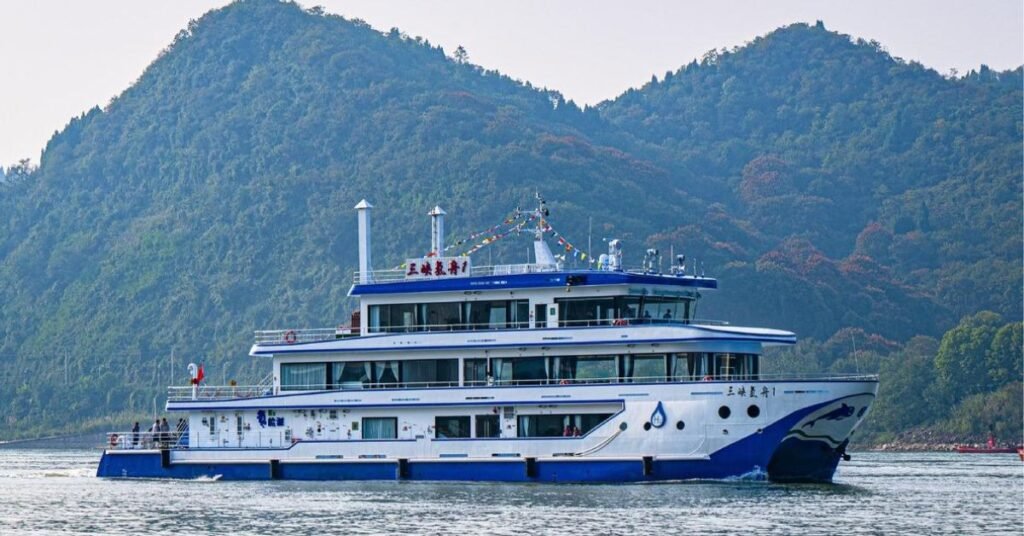
China Classification Society (CCS) has issued its Guidelines for Ships Using Hydrogen Fuel, 2026 Edition, which will take effect on October 1, 2026. The guidelines establish requirements for the safe design, construction and operation of hydrogen-powered and fuel-cell vessels, covering areas including hydrogen bunkering, storage, supply and onboard use. Published on the society’s website on

The Global Centre for Maritime Decarbonisation (GCMD) and Equinor have partnered to advance alternative marine fuel and carbon value chains, combining GCMD’s experience in conducting real-world maritime pilots with Equinor’s expertise as a vessel charterer, energy provider and developer of low-carbon solutions. The organisations will use their complementary capabilities to address technical and operational gaps
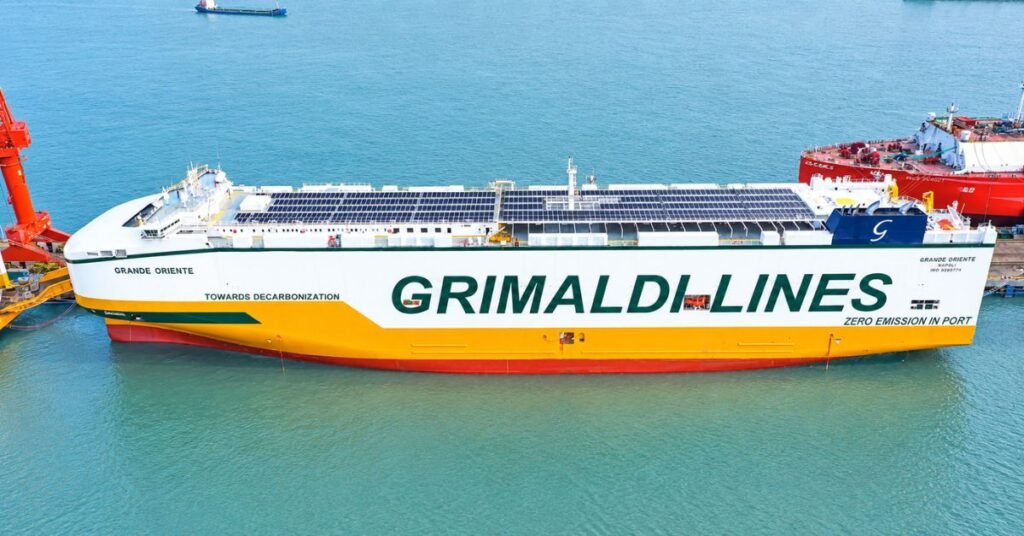
Grimaldi Group took delivery of Grande Egitto, its 14th ammonia-ready pure car and truck carrier (PCTC), from China Merchants Heavy Industries Jiangsu on September 21, 2026. The vessel will join the Italian group’s Asia–East Africa service, adding vehicle transport capacity while retaining provision for future conversion to ammonia fuel. With a capacity of 9,800 car
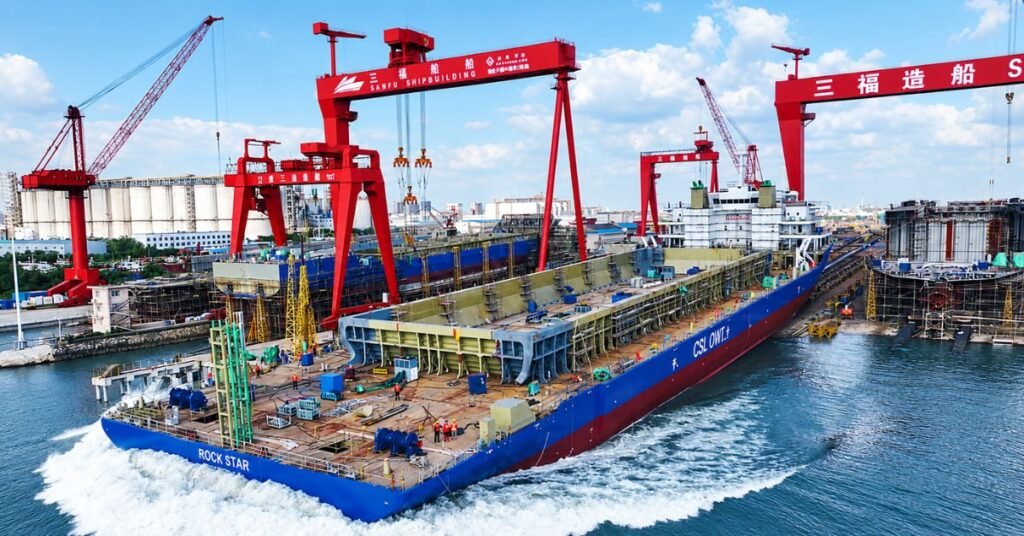
Rotterdam-based CSL OWL Subsea Rock Installation has announced the launch of Rock Star, the first of two purpose-built vessels designed to support offshore wind construction and maintenance. The announcement on September 23, 2026, marks progress in the partnership’s programme to provide specialised rock-placement capacity with marine gas oil and methanol fuel capability. The partnership between
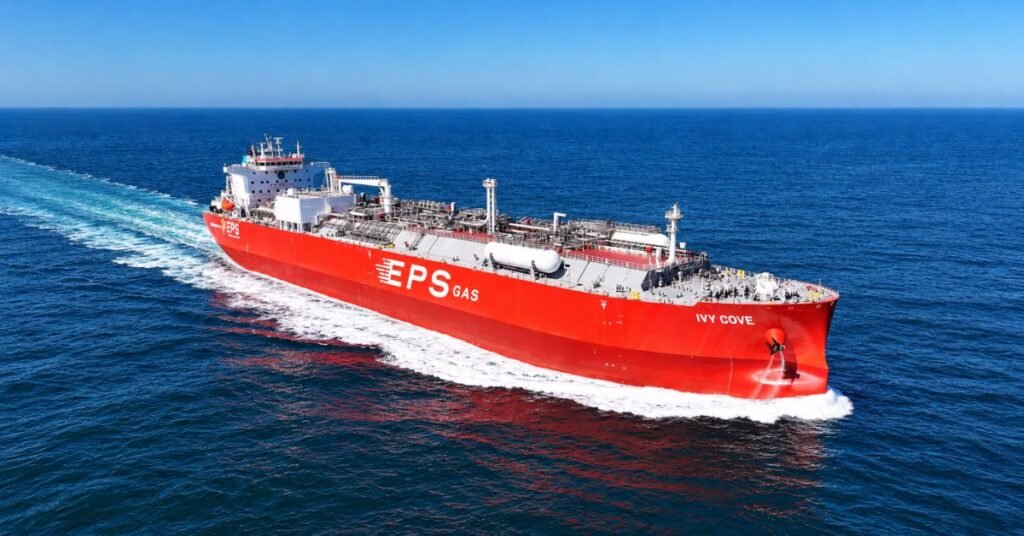
Singapore-based shipping company Eastern Pacific Shipping (EPS) has taken delivery of Lilac Cove, a 93,000-cbm LPG dual-fuel very large ammonia carrier (VLAC) built by China’s Jiangnan Shipyard. The new vessel can operate on LPG as well as conventional marine fuels and is designed to carry both ammonia and LPG cargoes, including propane and butane. The
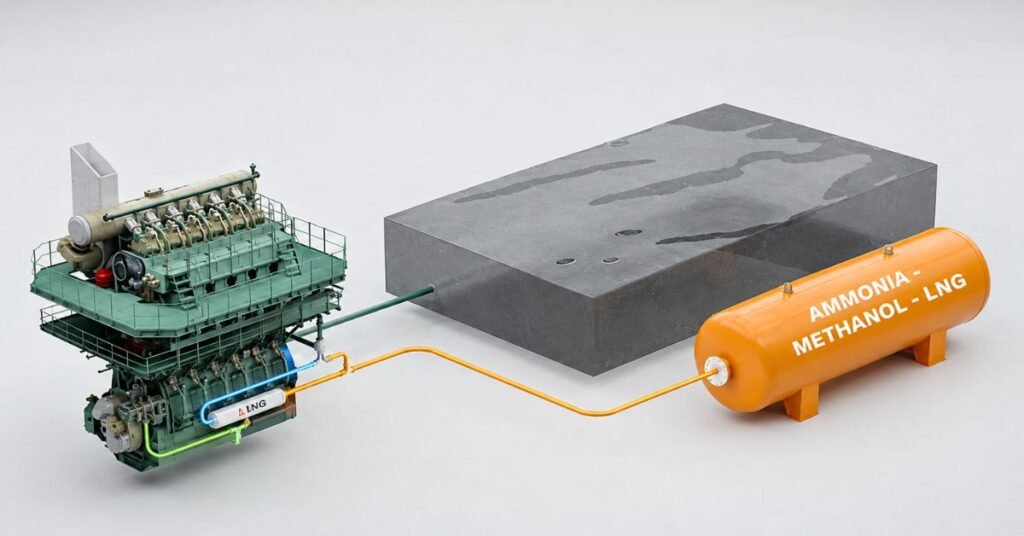
ABS and lomarlabs have signed a Master Research Collaboration Agreement (MRCA) to support the development and testing of early-stage technologies aimed at reducing emissions, improving fuel efficiency and automating maritime operations. The agreement establishes a framework for ABS and lomarlabs to provide technical expertise and advisory support to technology startups developing solutions for commercial shipping.
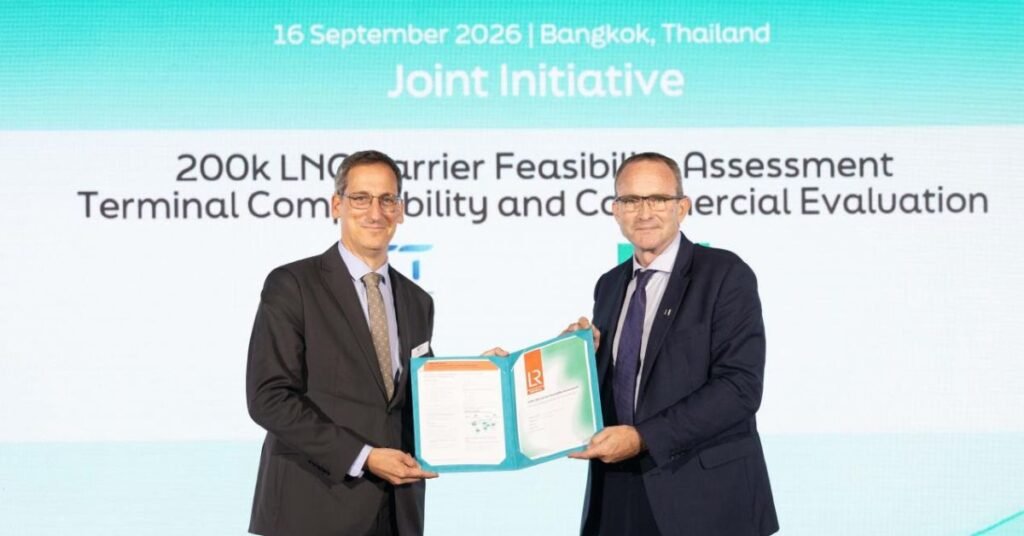
Lloyd’s Register (LR) has identified 200,000m³ LNG carriers as a potential option for the next phase of global LNG fleet renewal, with a new study indicating that larger vessels could increase cargo capacity and improve transport efficiency while retaining access to most major LNG terminals. The findings come from an LR Advisory terminal compatibility and