
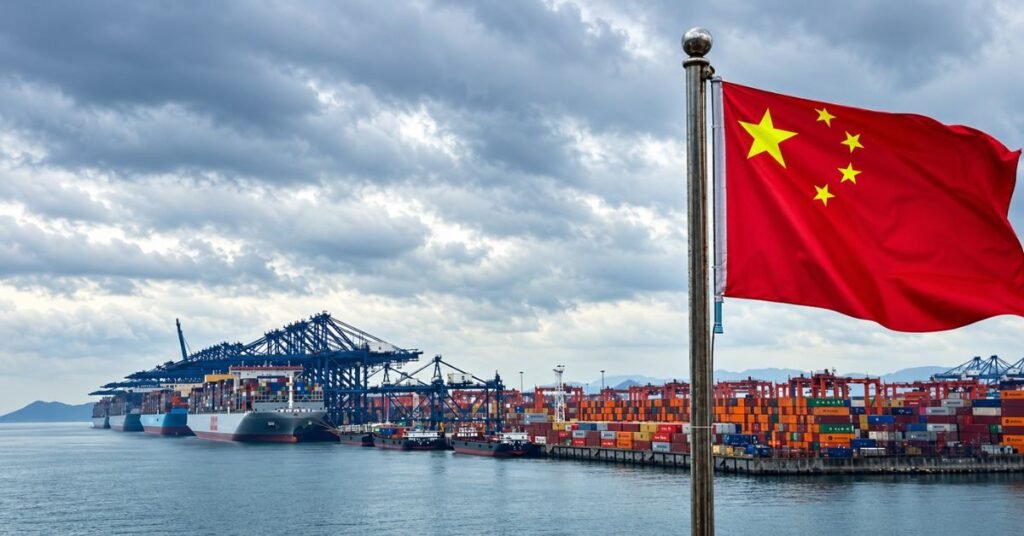
China has renewed its call for incentives to make zero and near-zero emission marine fuels more commercially competitive, ahead of International Maritime Organization (IMO) negotiations in London in November 2026. Its proposal would give eligible fuels additional weight in regulatory compliance calculations, helping shipowners offset their higher costs. The submission, ISWG-GHG 23/3/3, also acknowledges a

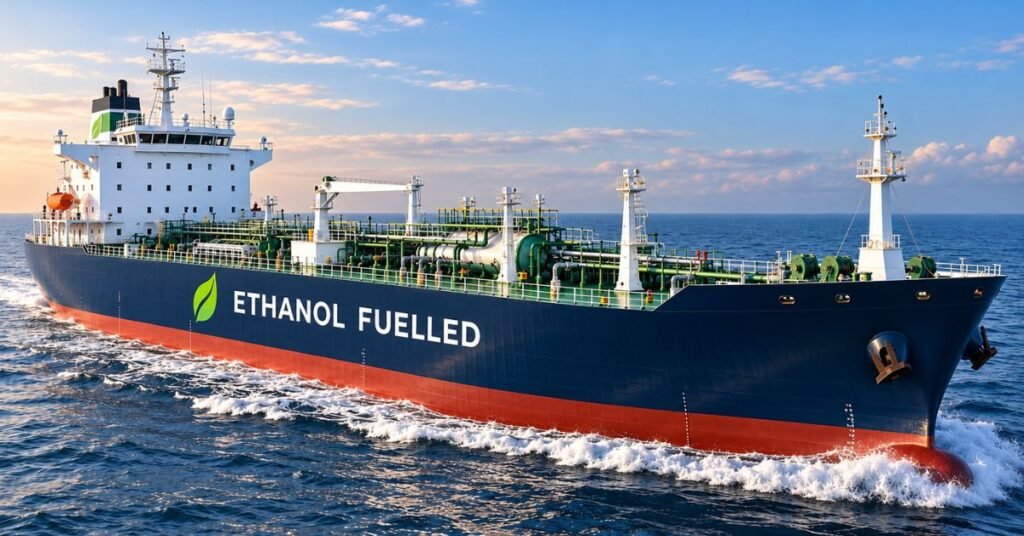
Nineteen methanol- and ethanol-capable vessels were on the global dry bulk orderbook by September 2026, as shipowners committed to alternative-fuel capability backed by long-term cargo contracts. Research published by Drewry on 30 October links these orders to Brazilian miner Vale’s programme for fuel-flexible ore carriers, while highlighting continued uncertainty over fuel costs and availability. Vale’s
Eight maritime associations have urged European Union (EU) lawmakers to revise offshore emissions reporting rules before applying carbon-pricing obligations to the sector in 2027. In a joint statement published on 29 October 2026, they warned that the current framework could distort competition and encourage operators to deploy vessels from outside European ports. The signatories support
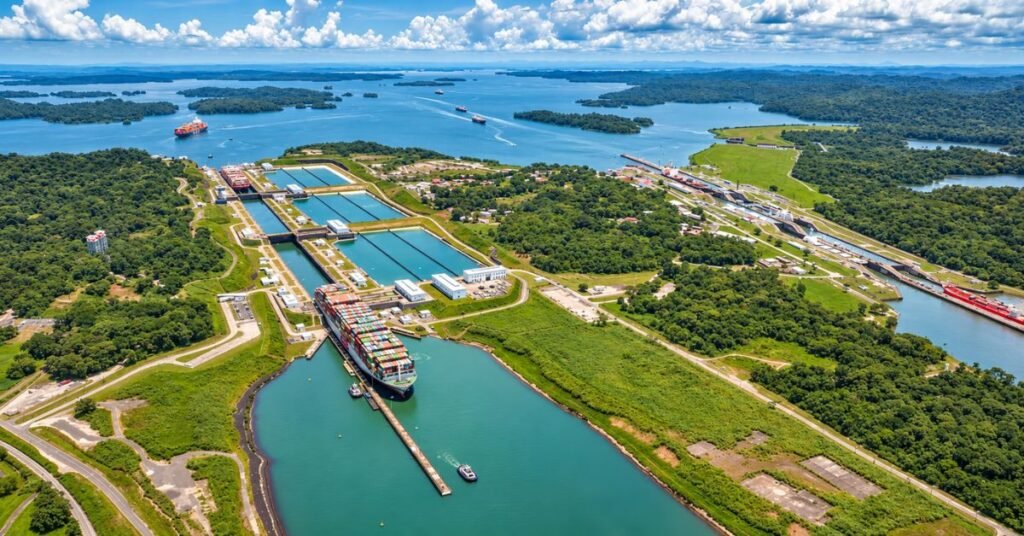
Vessels preparing for their first Panama Canal transit can now compete for a dedicated NetZero reservation slot after completing a preliminary assessment by the Panama Canal Authority (ACP). Effective from 1 November 2026, the revised procedure allows eligibility checks before arrival, including inspections outside Panama where necessary. What must applicants complete before competing? Owners, operators

The European Sea Ports Organisation (ESPO) has backed proposed European Parliament amendments to strengthen protection against maritime traffic diversion under the European Union Emissions Trading System (EU ETS). In a statement on 29 October 2026, it urged lawmakers to prevent carbon-pricing rules from shifting transhipment activity outside Europe while preserving the scheme’s environmental objectives. What
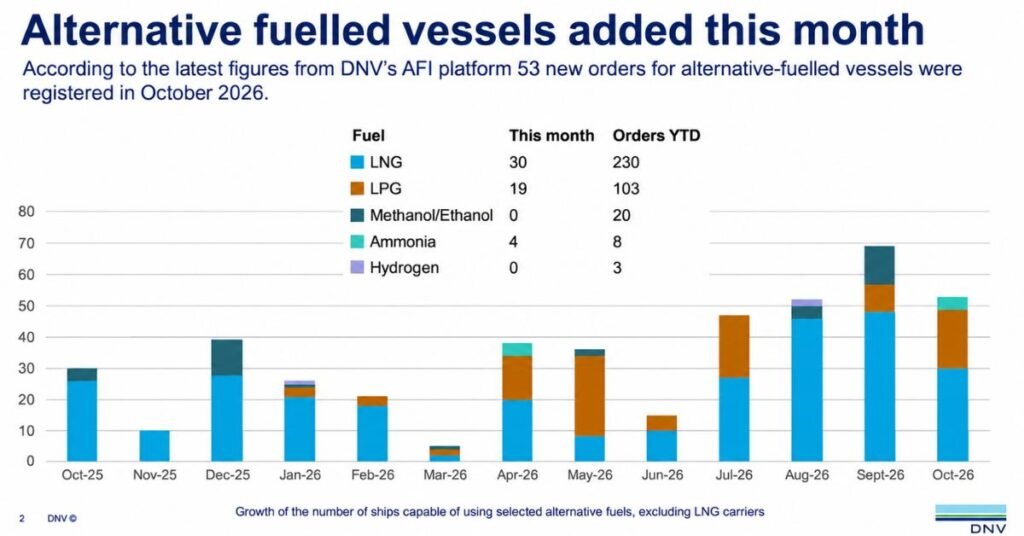
Shipowners ordered 53 alternative-fuel-capable vessels in October 2026, taking the global total for the first ten months to 364, up 57% against the same period last year, according to DNV’s Alternative Fuels Insight (AFI) platform. Liquefied natural gas (LNG) remained the leading choice, with container ships and car carriers driving demand. Which fuels led October’s
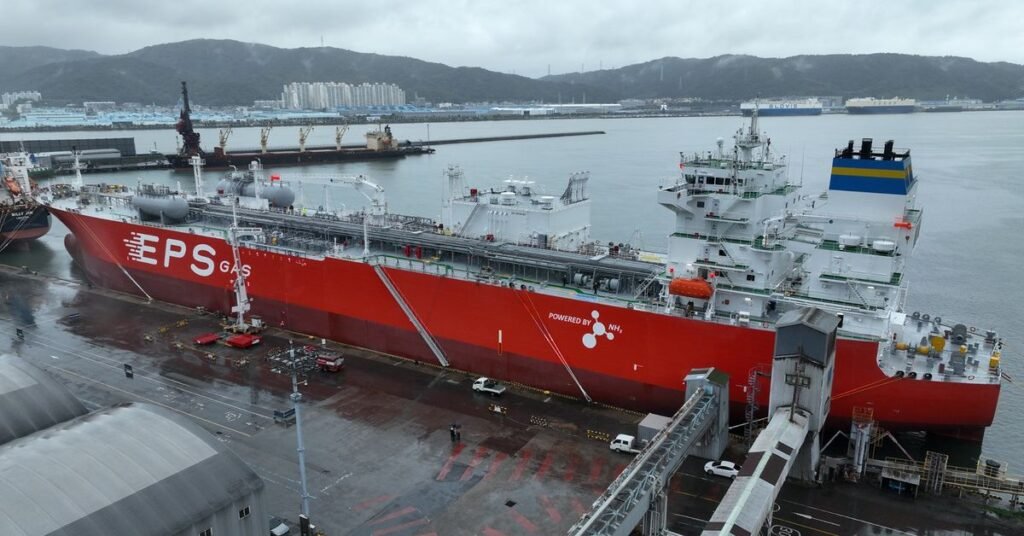
Ulsan Port has supplied 800 tonnes of renewable-energy-based ammonia to Terra Clove, completing what Ulsan Port Authority (UPA) described as South Korea’s first commercial ammonia marine-fuel supply demonstration. The operation took place at Pier 2 of Ulsan Main Port on 25–26 October 2026, with the authority announcing completion on 27 October. How was the ammonia

Everllence has appointed Dr Fabian Kley as Chief Financial Officer (CFO) and a member of its Executive Board, effective 1 November 2026. The appointment formalises his leadership of the finance function as the German marine engine and industrial technology company prepares for a change in ownership involving Bain Capital. Announced on 29 October, the decision
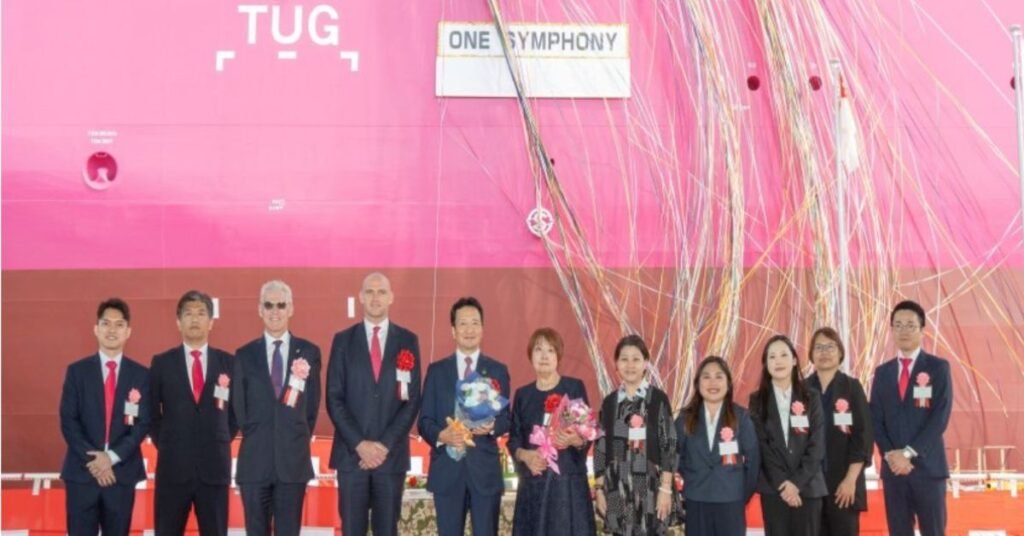
Summary Ocean Network Express (ONE) has named its 13,932-TEU container vessel ONE Symphony in Japan, marking another milestone in its 20-ship newbuilding programme. The vessel, named on 22 October 2026, is designed to accommodate future conversion to ammonia or methanol propulsion. The programme forms part of ONE’s fleet renewal strategy, which also includes a separate
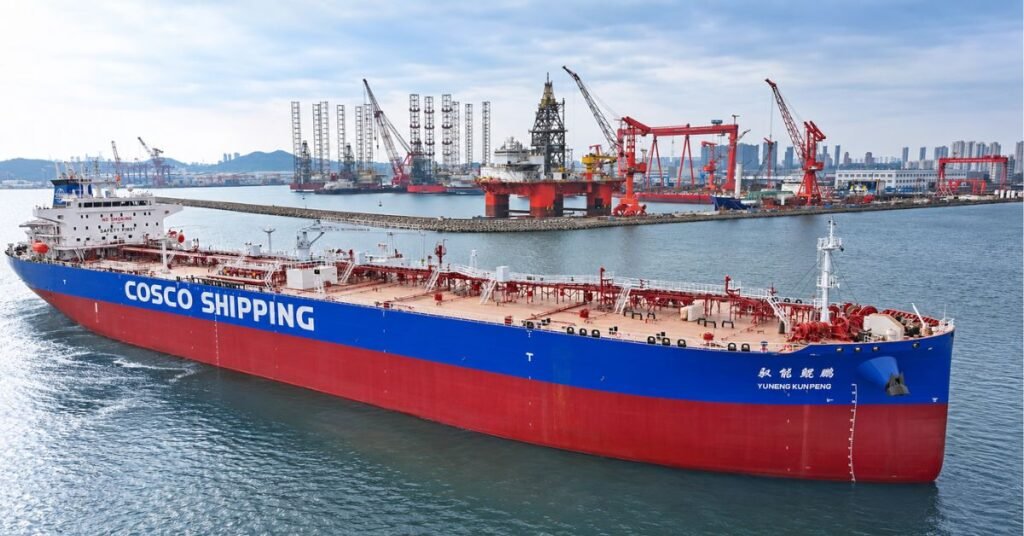
Summary COSCO SHIPPING Energy Transportation has approved a 9,000-cubic-metre ethylene carrier project with a construction price of RMB335 million, including tax. The proposed vessel will use LNG dual-fuel propulsion and be built at an affiliated Dalian shipyard, supporting the company’s expansion in domestic and international ethylene transportation. Board approves specialised gas-carrier project The COSCO ethylene