

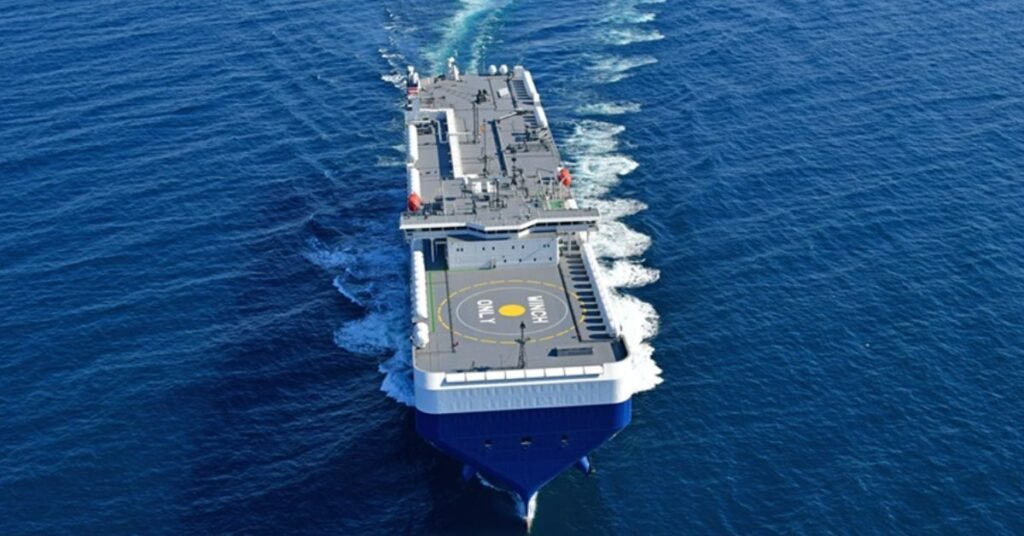
Japanese shipping company to assess operational performance and safety of continuous B100 use Nippon Yusen Kaisha (NYK Line) has launched a one-year trial involving the continuous use of 100% biofuel (B100) on one of its car carriers to evaluate the fuel’s long-term operational performance and safety under commercial shipping conditions. The initiative is aimed at

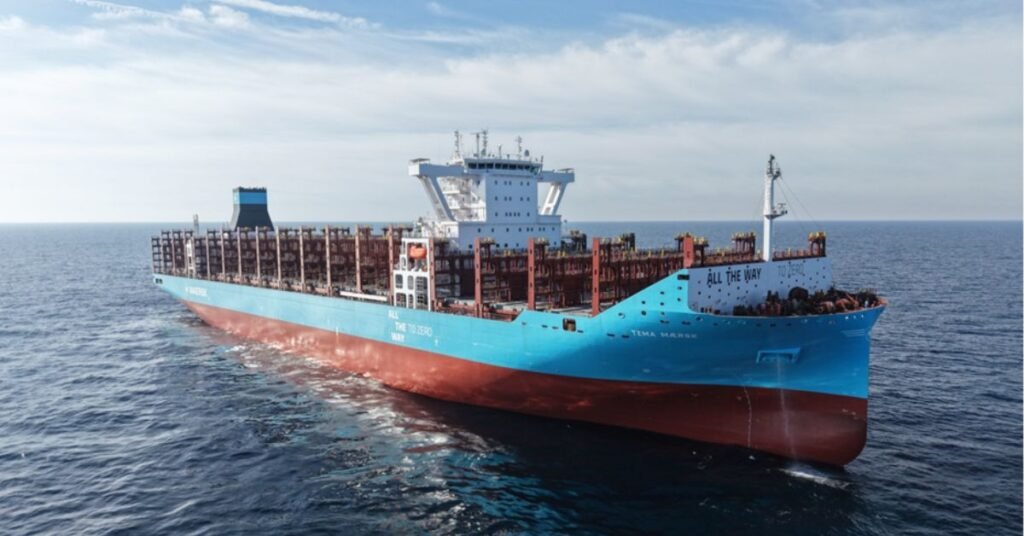
New dual-fuel container vessel highlights growing adoption of methanol-ready propulsion systems WinGD has marked another milestone in the maritime sector’s fuel transition following the delivery of the Tema Mærsk, a new dual-fuel container vessel for A.P. Moller – Maersk powered by the company’s methanol-capable X82DF-M/E engine platform. The vessel was officially named on 29 May
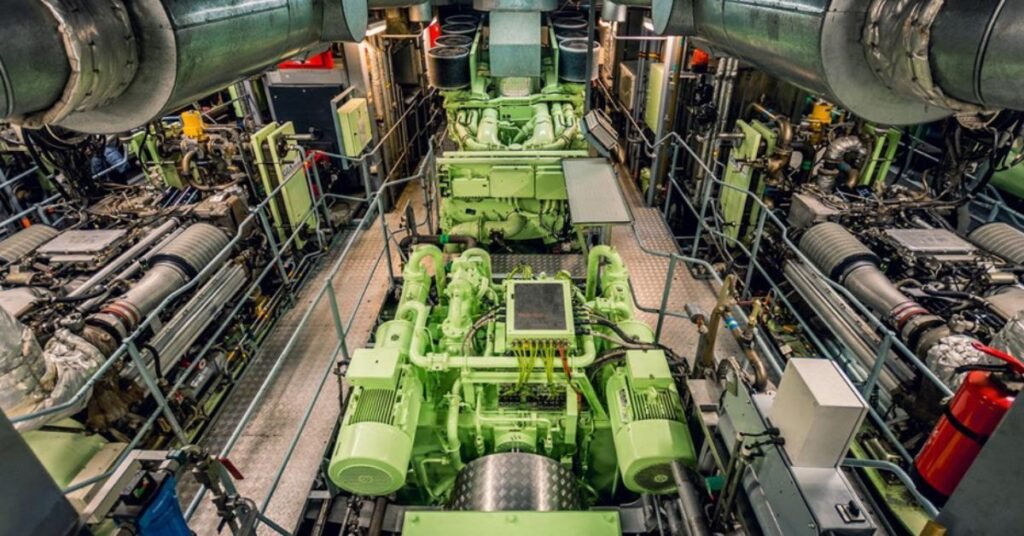
Collaboration aims to improve vessel performance monitoring, fuel efficiency and operational decision-making StormGeo is expanding its Voyage Intelligence platform through a new collaboration with parent company Alfa Laval to integrate real-time sensor data from shipboard energy systems into vessel performance analysis tools. The initiative focuses on combining onboard equipment data with voyage optimisation and operational
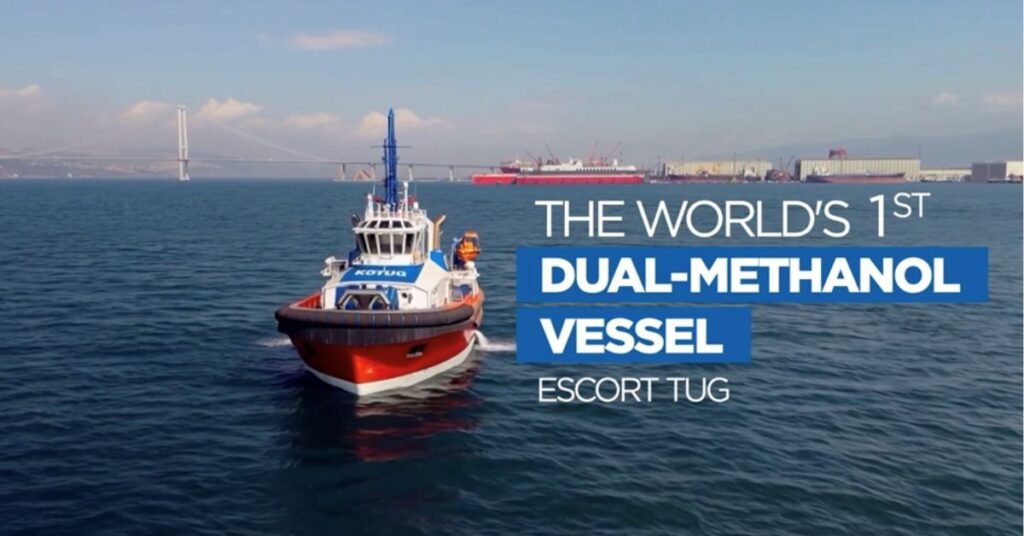
New escort tug fleet combines methanol propulsion, emission reduction technologies and First Nations partnership KOTUG International has launched two dual-fuel methanol-powered escort tugs for operations in British Columbia, marking what the company says is the world’s first deployment of large purpose-built methanol escort tugs. The vessels — SD AISEMAHT and SD QWIY AANITSA SARAH —
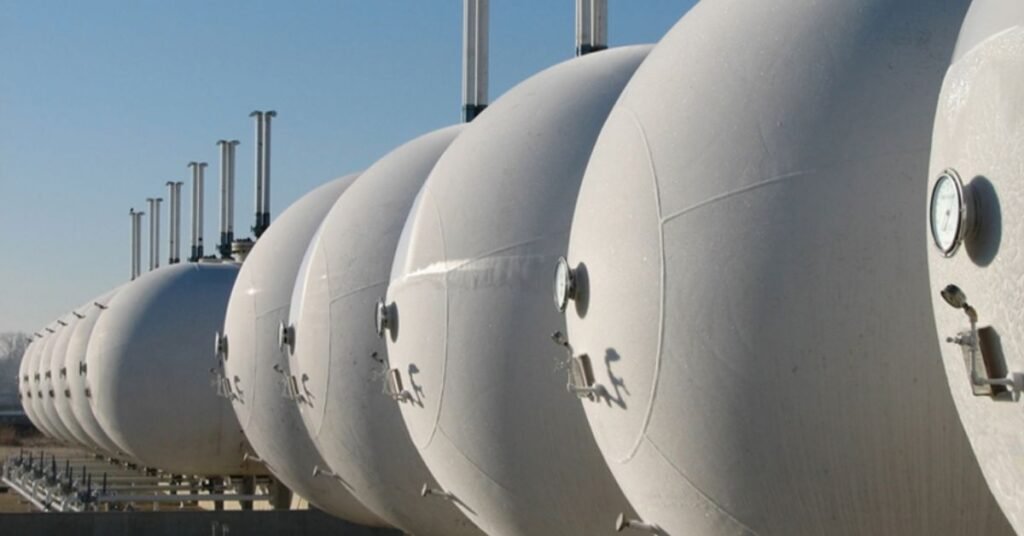
Older LNG vessels face mounting pressure as EU maritime carbon costs tighten Wood Mackenzie has warned that tightening emissions regulations are creating a growing divide within the global LNG carrier fleet, with engine technology emerging as the key factor determining future compliance costs and commercial competitiveness. According to new analysis from the consultancy, LNG carriers

Airline commits to long-term sustainable aviation fuel offtake as Dutch SAF production capacity expands KLM and SkyNRG have marked the start of construction of the Netherlands’ first large-scale sustainable aviation fuel (SAF) production facility, with the project expected to begin supplying fuel from 2028. The plant, known as DSL-01 and located in Delfzijl, is intended
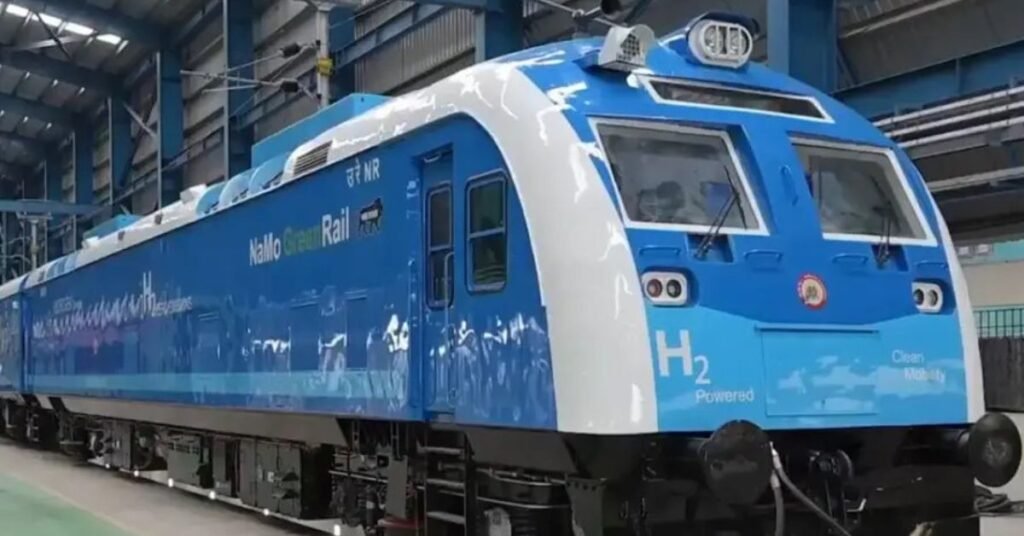
Indian Railways has approved the introduction of a 10-car hydrogen fuel cell-powered trainset on the Jind–Sonipat section of Northern Railway, marking a step in the country’s efforts to develop lower-emission rail transportation. The hydrogen-powered train is expected to begin operations soon and will operate at speeds of up to 75 km/h using a 1,200 kW

Lloyd’s Register and the World Liquid Gas Association (WLGA) have released an updated edition of the Fuel for Thought: LPG report, outlining how liquefied petroleum gas (LPG) could support the maritime industry’s transition toward lower-carbon propulsion. The report states that LPG offers a combination of established infrastructure, operational maturity and lower emissions compared with conventional
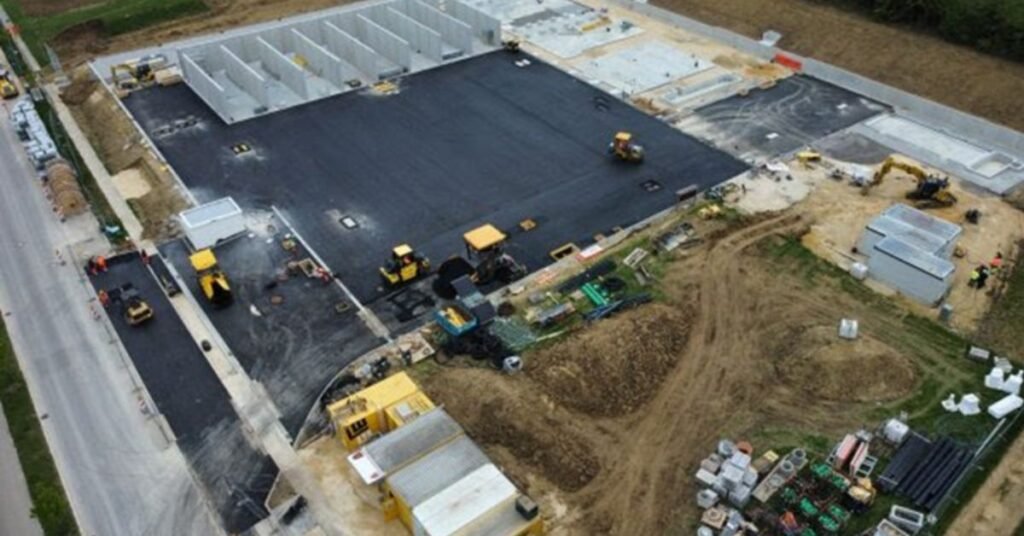
Lhyfe and STRABAG have signed a strategic co-development agreement aimed at accelerating green hydrogen project deployment in Germany amid growing regulatory support for renewable hydrogen under the European Union’s Renewable Energy Directive III (RED III). The framework agreement, announced on 28 May 2026, could later be expanded to other European markets. Focus on Germany’s renewable
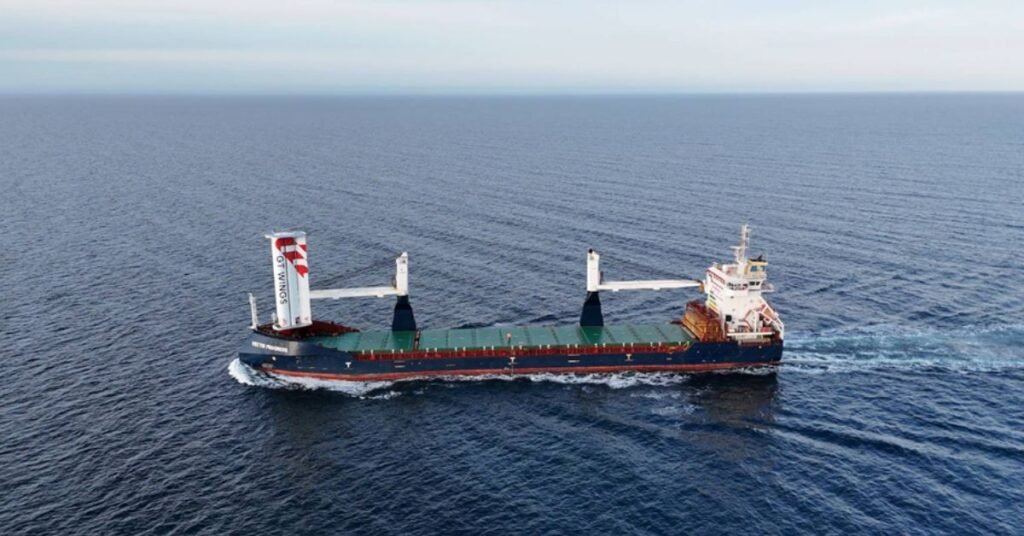
GT Wings has introduced a new ship performance assessment tool designed to support early-stage evaluation of its AirWing™ wind-assisted propulsion technology for commercial vessels. The tool was developed in collaboration with independent wind propulsion specialists Blue Wasp Marine using the company’s Pelican Suite™ web-based simulation platform. Tool designed to support early-stage investment decisions According to