

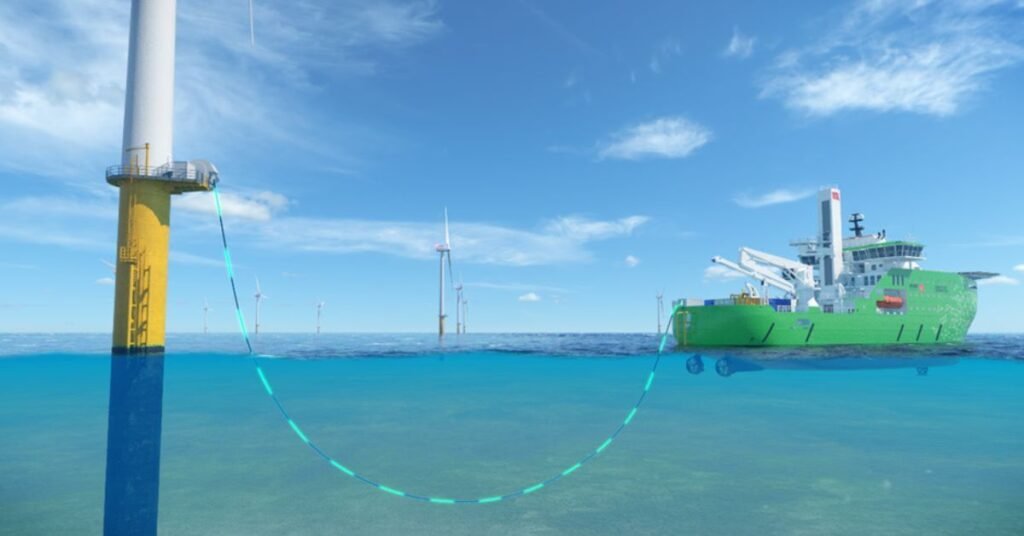
A coalition of offshore wind developers, vessel operators and maritime technology providers has called on governments and regulators to remove barriers preventing the wider deployment of offshore charging systems for vessels operating in the offshore wind sector. In a newly published position paper, the coalition identified offshore charging — where vessels draw renewable electricity directly


Global Fuel Supply rebrands with new name, a broader energy offering and a new visual identity effective today. (26th May 2026, Copenhagen) – Today, Global Fuel Supply is changing its name to Blue Energy Partners. What started as a fuel trader has grown into a broader energy solution business, covering physical supply, marine energy trading,
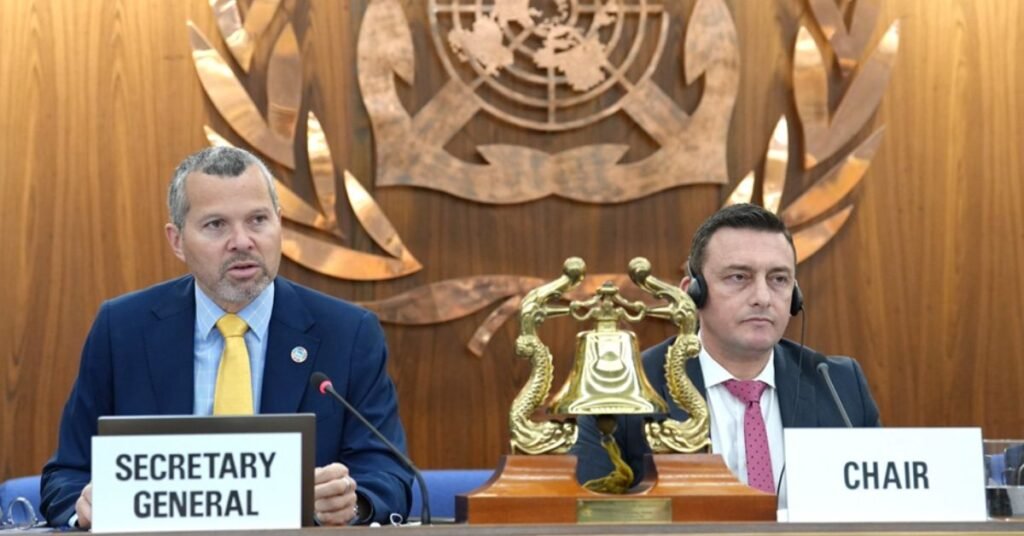
The International Maritime Organization (IMO) has adopted a new International Code of Safety for Maritime Autonomous Surface Ships (MASS Code), establishing a regulatory framework for the operation of autonomous and remotely controlled commercial vessels. The Code was approved during the 111th session of the Maritime Safety Committee (MSC 111) held in London from 13 to
A new report from the Lloyd’s Register Maritime Decarbonisation Hub has identified key ports, trade corridors and production regions that could accelerate the early deployment of sustainable maritime fuels. The report, Building the sustainable maritime fuel supply chain, examines where alternative fuels such as e-fuels and sustainable biofuels are most likely to be produced, exported
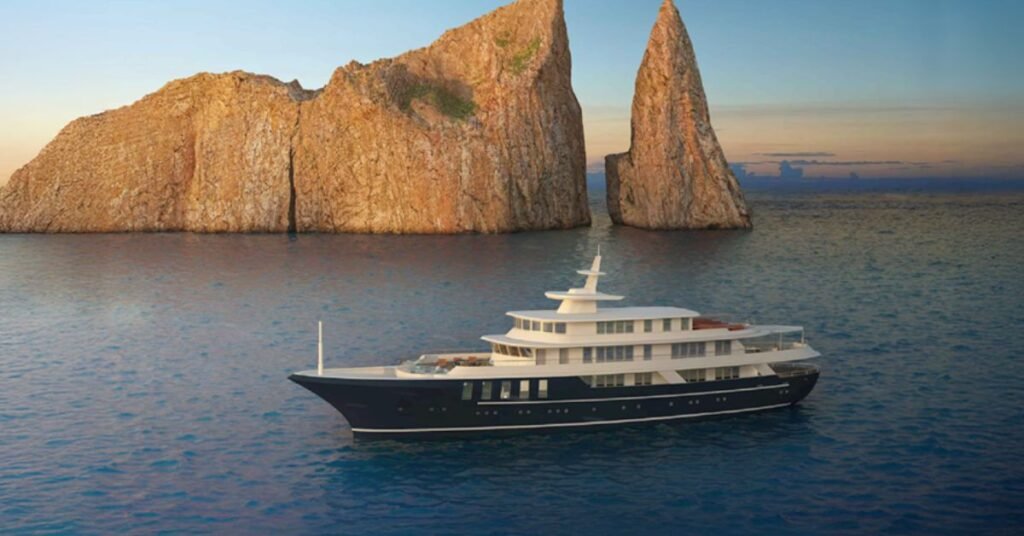
ABB is collaborating with Ecuador-based expedition travel operator Quasar Expeditions to convert the expedition yacht Quasar Conservation to hybrid-electric propulsion for operations in the Galápagos Islands. The vessel, formerly known as Galú, was originally built by Italian shipyard Benetti in the 1970s. Following the modernization project, it is expected to become the first hybrid-electric expedition
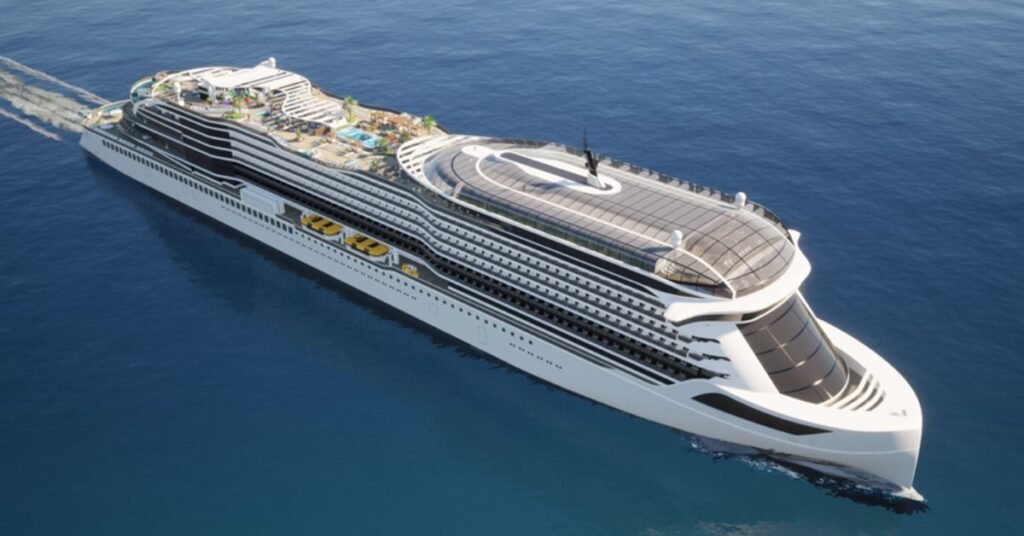
Meyer Werft is developing plans for what it says could become the world’s first fully electric battery-powered cruise ship as part of its “Project Vision” initiative aimed at reducing greenhouse gas emissions by 95%. The proposed vessel would operate entirely on battery-electric propulsion, replacing conventional engine rooms with large-scale battery systems designed to power the
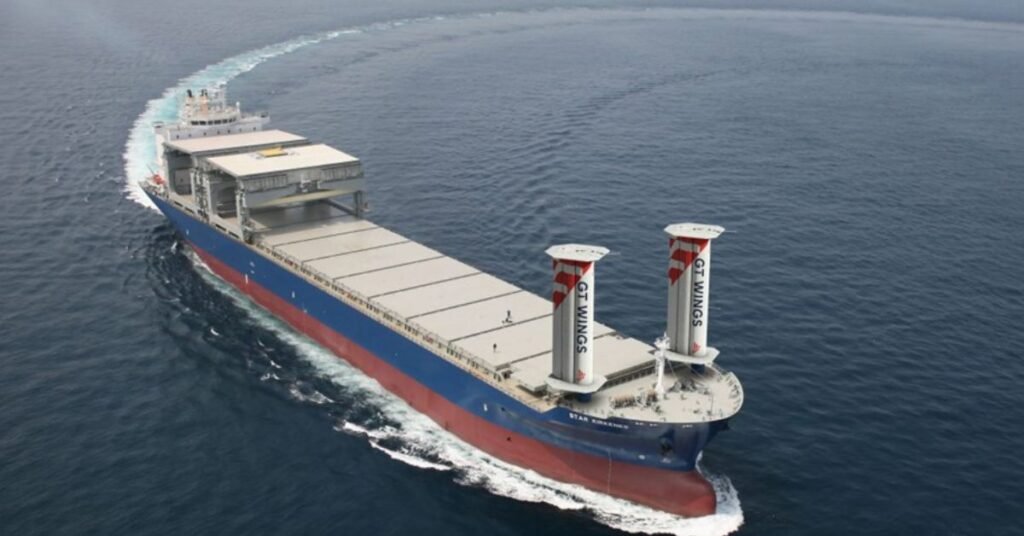
G2 Ocean plans to add six new open hatch gantry crane vessels to its fleet from 2029 as part of a broader fleet renewal and expansion programme that also includes wind-assisted propulsion upgrades for existing ships. The investment follows the company’s ongoing newbuilding programme, under which 10 open hatch vessels of 82,300 deadweight tonnes (dwt)
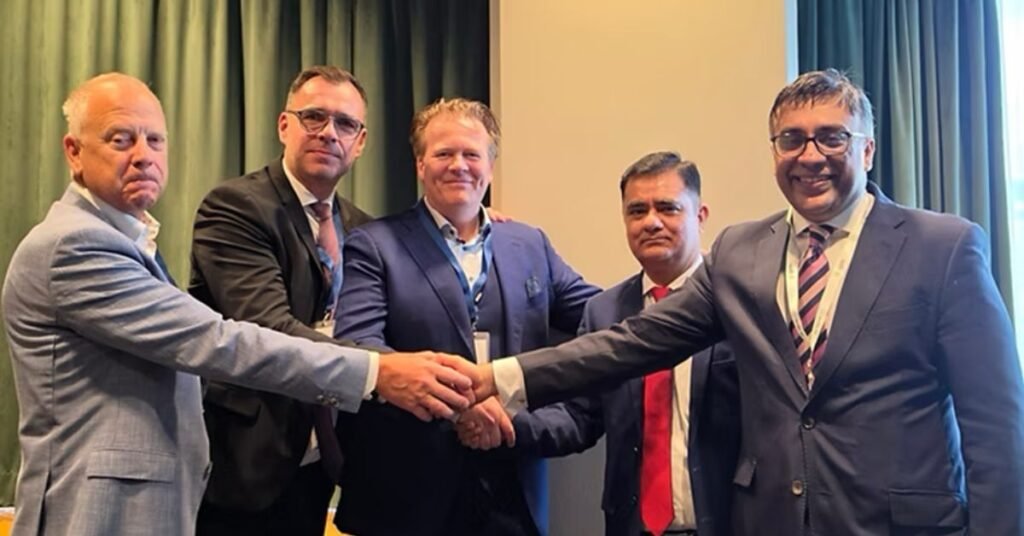
JSW Steel, Bharatia and Carbon Iceland International have signed a memorandum of understanding (MoU) to explore the development of a large-scale green methanol project in Maharashtra, India. The proposed project aims to establish a production platform with a capacity of 300,000 to 600,000 tonnes per annum (KTPA) of eMethanol by converting industrial carbon dioxide emissions
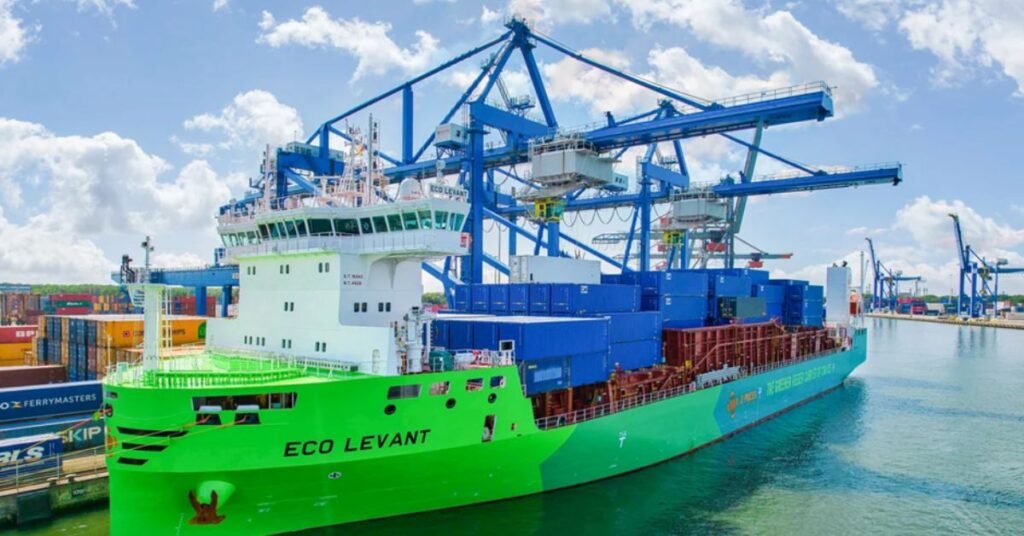
X-Press Feeders has completed an operational trial using an ethanol-methanol blended marine fuel onboard the container vessel Eco-Levant at the Port of Rotterdam. The trial was conducted in collaboration with Methanave, which acted as the independent lead coordinator for the project. Ethanol-methanol fuel blend tested The operation involved the delivery and bunkering of a fuel
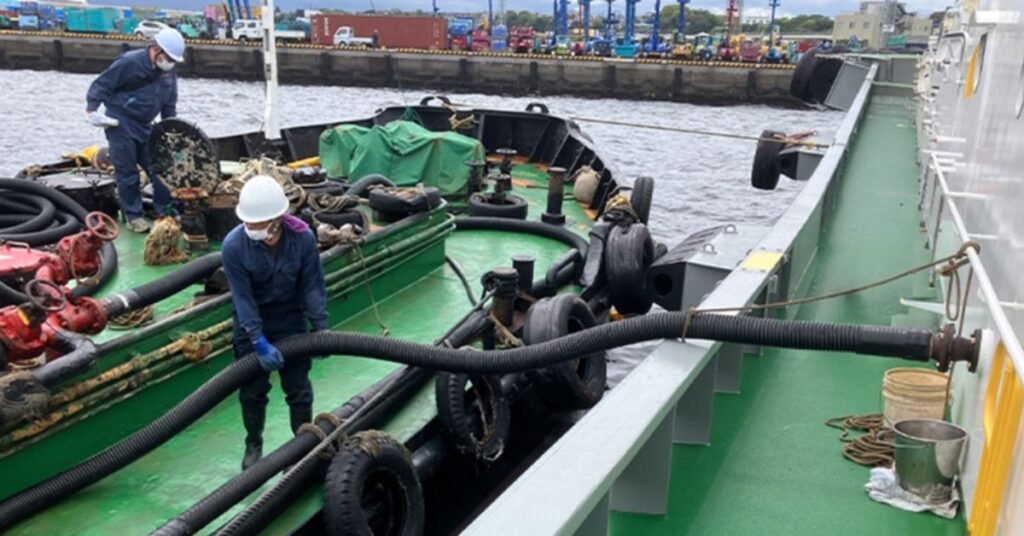
Kamei Corporation has carried out Japan’s first ship-to-ship (STS) bunkering operation using 100% hydrotreated vegetable oil (HVO) at Keihin Port, marking a step in the country’s efforts to evaluate alternative marine fuels. The operation was conducted as part of a demonstration project involving Euglena and its biofuel brand Susteo. Demonstration of HVO marine fuel supply