

Energy-efficiency measures first as low-GHG fuels and technologies scale. In an age of regulatory shift, geopolitical uncertainty and commercial pressure it can be difficult to keep decarbonisation efforts on track. How can you plan for tomorrow when today’s realities are so demanding? With the theme of Nor-Shipping 2027 front of mind, Cristina Saenz de Santa

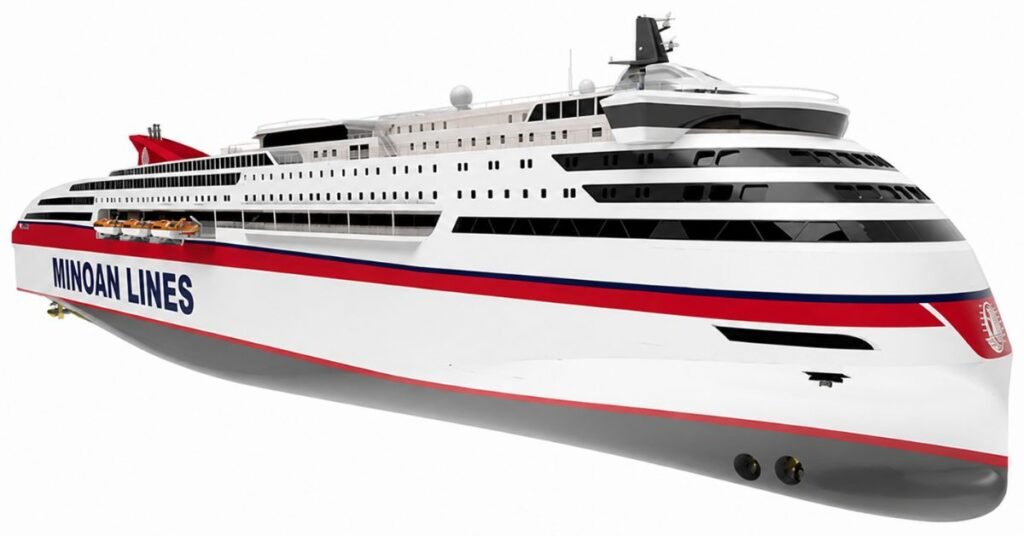
Wärtsilä has secured contracts to supply propulsion systems, engines and hybrid technologies for nine new RoPax ferries being built for Grimaldi Group as part of the operator’s fleet renewal programme aimed at improving fuel efficiency and reducing emissions. The vessels are under construction at China Merchants Shipbuilding Industry Group Weihai Shipyard Co., Ltd. and will
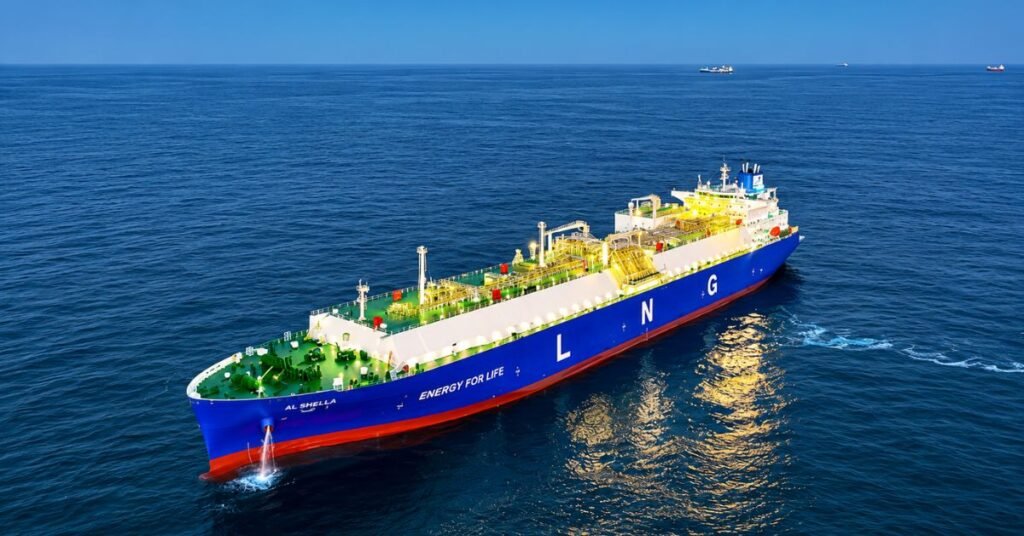
Abu Dhabi National Oil Company (ADNOC) has consolidated the liquefied natural gas (LNG) marketing activities of ADNOC Gas, XRG, and ADNOC Trading into a single integrated commercial platform, creating a global LNG marketing and trading hub based in Abu Dhabi Global Market (ADGM). The new platform is designed to strengthen ADNOC’s global LNG business by
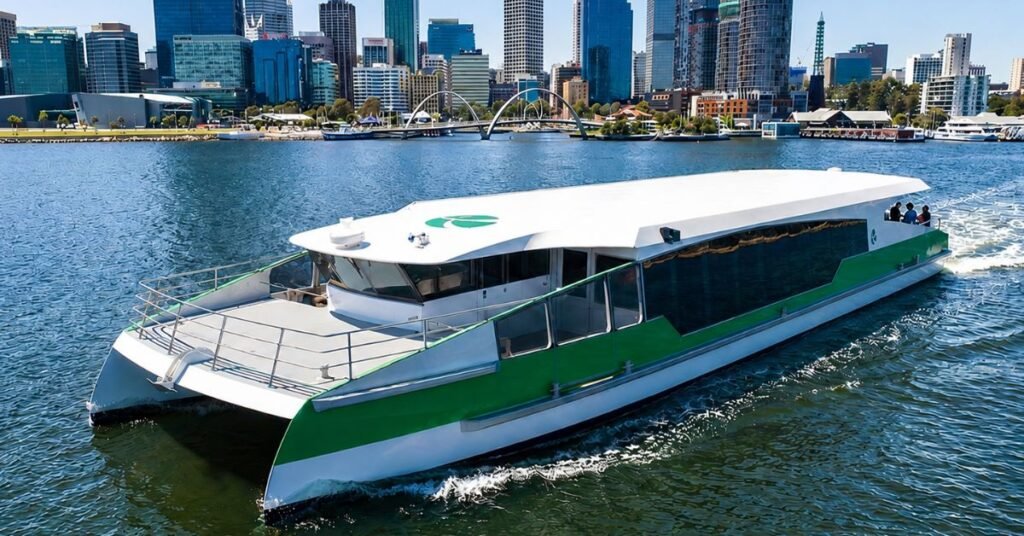
New Zealand-based EV Maritime has been selected by Echo Marine Group to provide electric propulsion systems integration for five battery-electric ferries being built for the Public Transport Authority (PTA) of Western Australia. The vessels form part of the METRONET programme to expand Perth’s Swan River ferry network and represent the city’s first battery-electric passenger ferries.
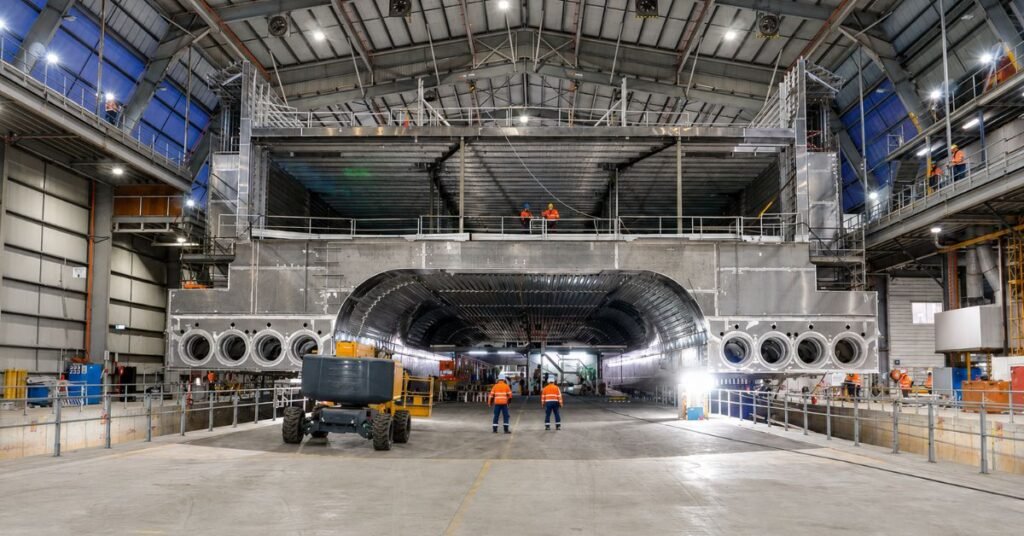
Tasmanian shipbuilder Incat has completed the rollback of Hull 102 at its Prince of Wales Bay shipyard, marking a key construction milestone in a three-vessel battery-electric ferry programme for Danish ferry operator Molslinjen. The rollback allows work to begin on installing the passenger deck superstructure of the 129-metre electric ferry, the first of three vessels
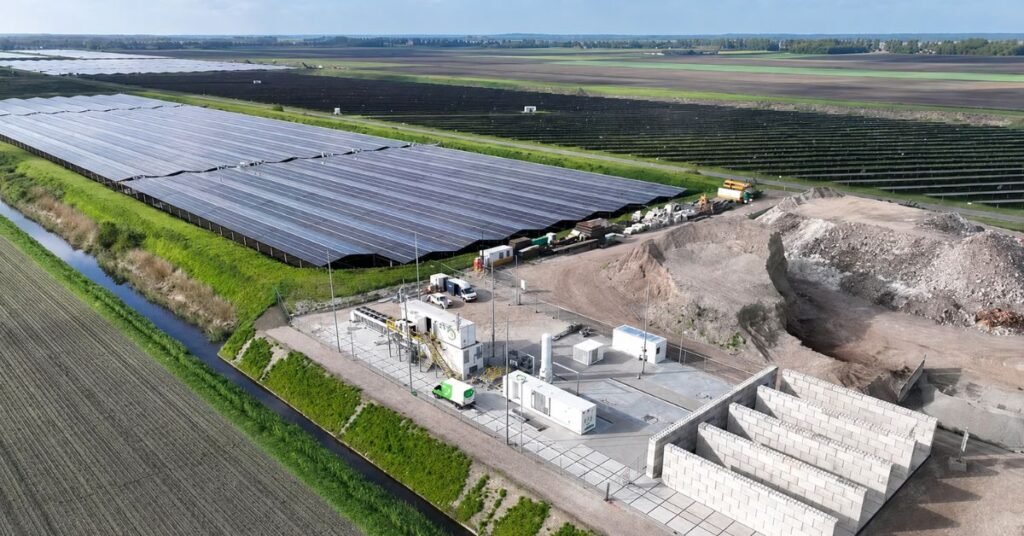
The H2 Hollandia project in the Netherlands has produced its first green hydrogen using a 5 MW electrolyser, marking a key milestone in the development of a renewable hydrogen facility designed to reduce solar energy curtailment and support regional hydrogen supply. The first production run generated approximately 25 kilograms of green hydrogen using a Plug
Echandia has been selected by Knowledge Marine & Engineering Works (KMEW) to supply battery systems for two fully electric harbour tugs being built under the Government of India’s Green Tug Transition Program (GTTP). The vessels will operate at Visakhapatnam Port Authority and V.O. Chidambaranar Port Authority (VOC Port) in Tuticorin, supporting India’s efforts to reduce
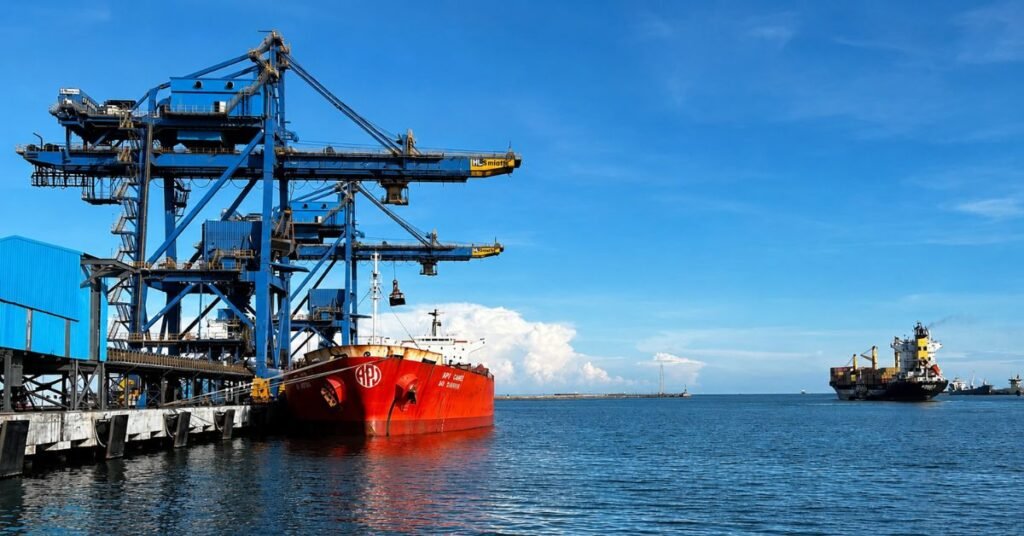
Tuticorin port unveils 2026 report highlighting green hydrogen milestones, near-total renewable energy shift, and carbon neutrality target for 2026 V.O. Chidambaranar Port Authority (VOCPA) has launched its Sustainability Report 2026, titled “Towards a Green Maritime Future,” becoming India’s first Major Port to publish a dedicated sustainability report. The launch was held in the presence of
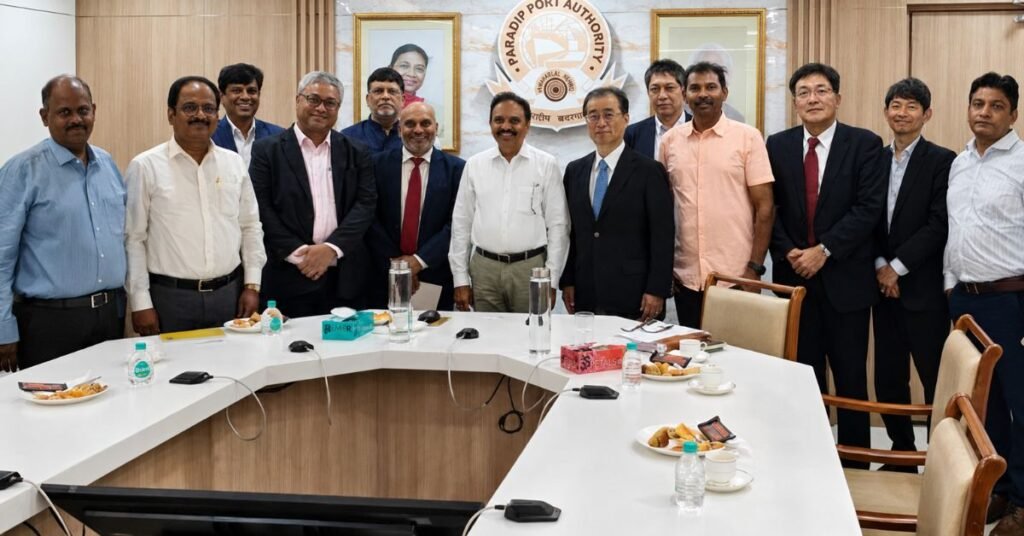
Paradip Port Authority (PPA) has held discussions with a high-level delegation from Mitsubishi Gas Chemical Company (MGC) and ACME Group to advance the development of a green fuel export ecosystem centred on Paradip Port in Odisha. The meeting focused on strengthening collaboration for the export of green methanol and other green hydrogen derivatives, supporting India’s
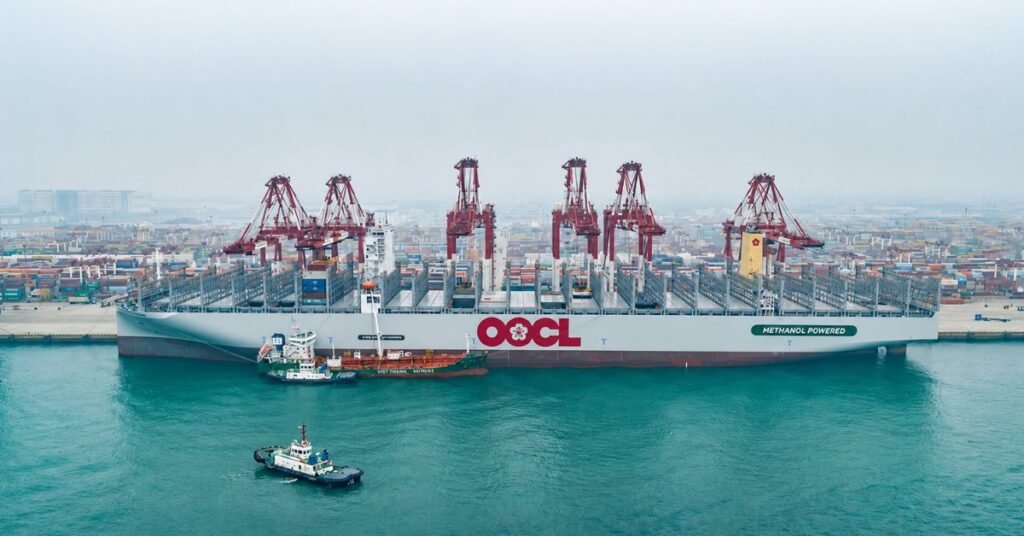
Orient Overseas Container Line (OOCL) has completed the first green methanol bunkering of its latest dual-fuel container vessel, OOCL Wisdom, at Qingdao Port, before the ship commenced its maiden voyage to Europe. The operation marks the commercial debut of OOCL’s first methanol dual-fuel containership and represents another step in the carrier’s strategy to expand its