

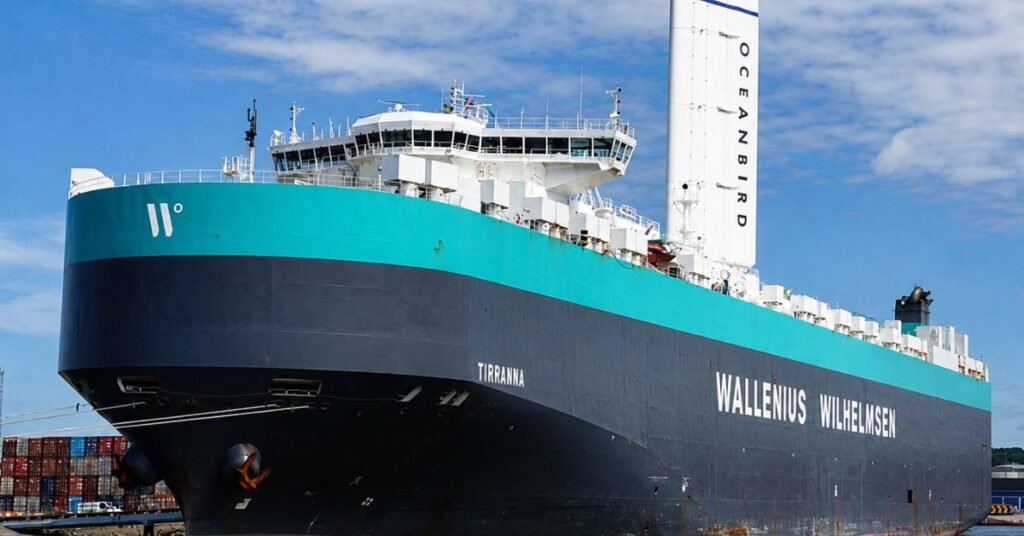
Wallenius Wilhelmsen has completed the installation of a wing sail on its roll-on/roll-off (RoRo) vessel Tirranna, marking the start of full-scale commercial testing of wind-assisted propulsion technology. The installation was carried out between 22 and 24 June at Damen Shipyard in Rotterdam, followed by harbour acceptance tests and a successful sea acceptance test (SAT), which

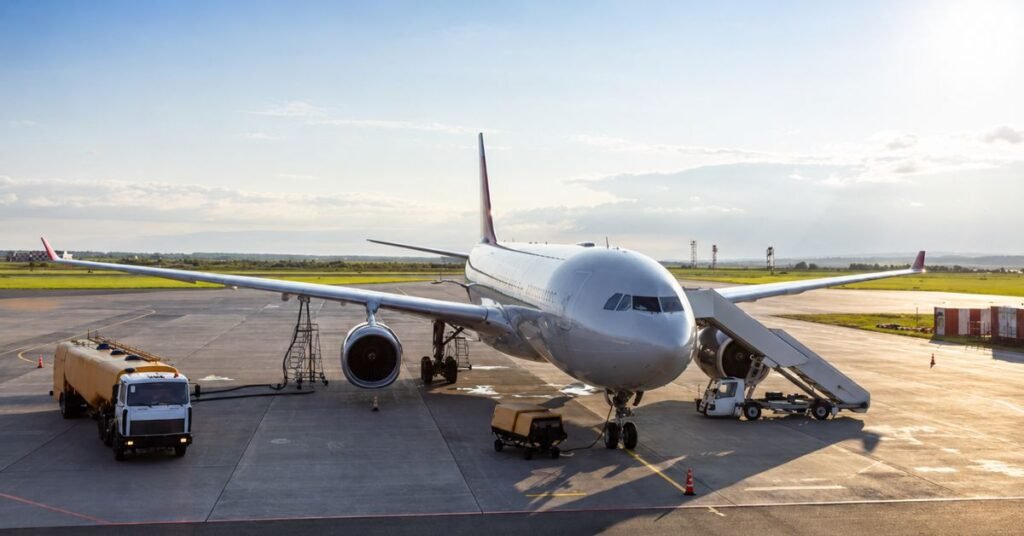
Alfa Laval has secured a €102 million contract to supply hydrotreated vegetable oil (HVO) pre-treatment technology for Acelen Renewables’ sustainable aviation fuel (SAF) project in Brazil. The facility, expected to begin operations in 2029, will have the capacity to produce 1 billion litres of SAF annually, positioning it among the country’s largest renewable fuel projects.
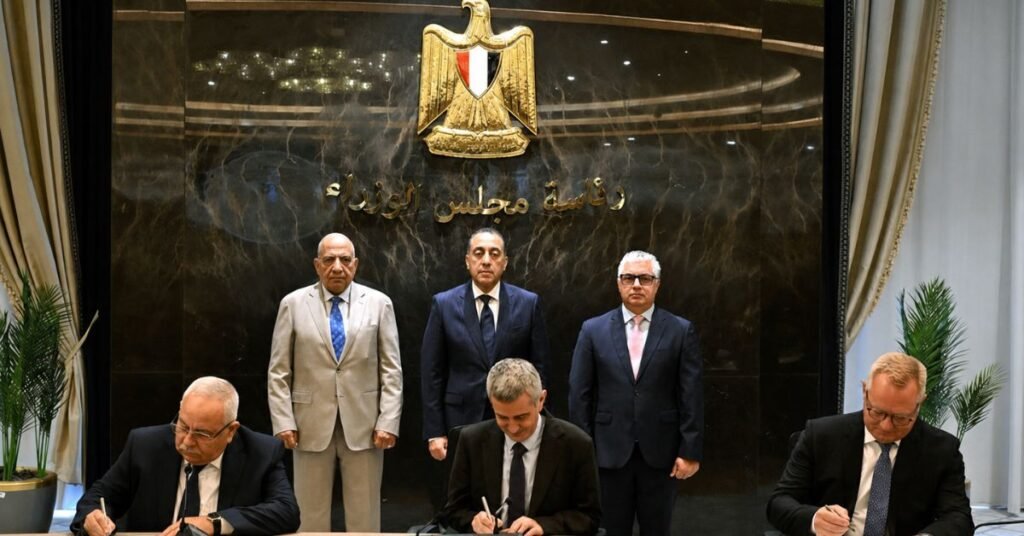
Suez Canal Container Terminal (SCCT), part of APM Terminals, has become the first container terminal in Egypt to secure a 100% renewable electricity supply after signing a power purchase agreement (PPA) with the New and Renewable Energy Authority (NREA) in collaboration with the Suez Canal Economic Zone (SCZONE). The agreement enables the terminal to source
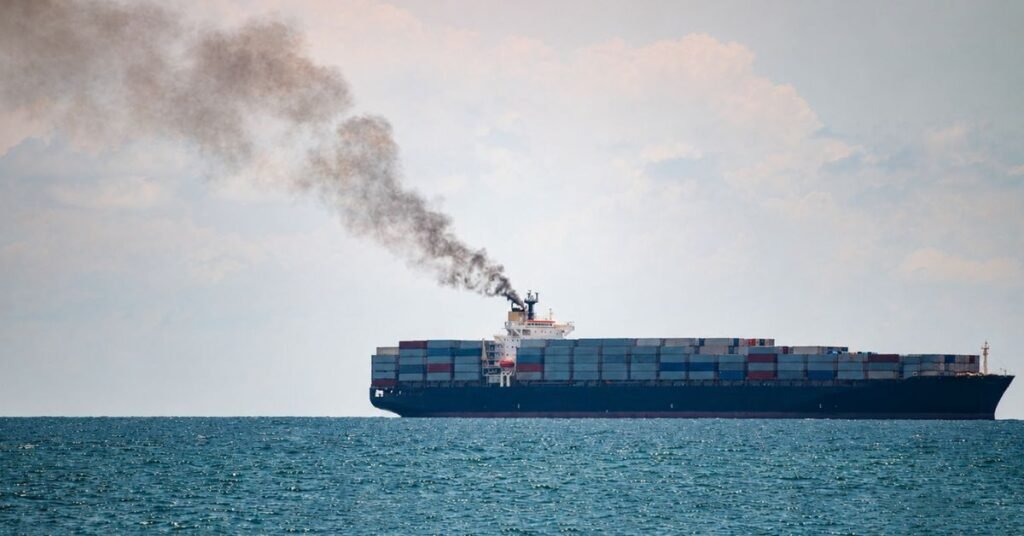
A coalition led by Eurogas and supported by 44 industry organisations has urged the European Commission to reconsider proposed changes to the European Union’s sustainability certification framework, warning that the revisions could disrupt the supply of renewable marine fuels such as bioLNG and eLNG. The industry groups argue that the proposed amendments could undermine the
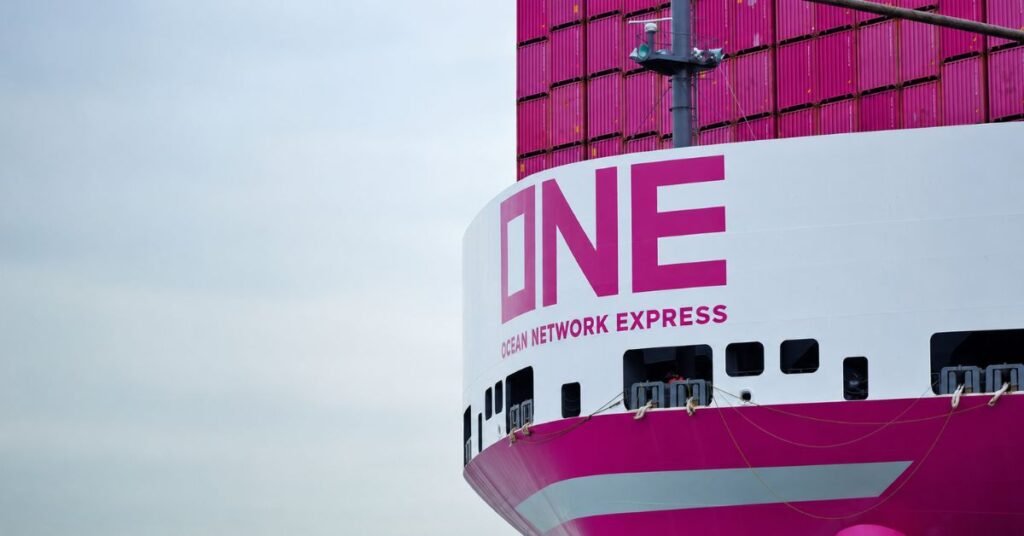
Ocean Network Express (ONE) has marked the maiden voyage of ONE Solidarity, a methanol- and ammonia-ready container ship, as the carrier continues to expand its fleet of vessels designed for future alternative fuel adoption. The vessel made its inaugural port call at Shekou, China, marking its entry into commercial service as part of ONE’s next-generation
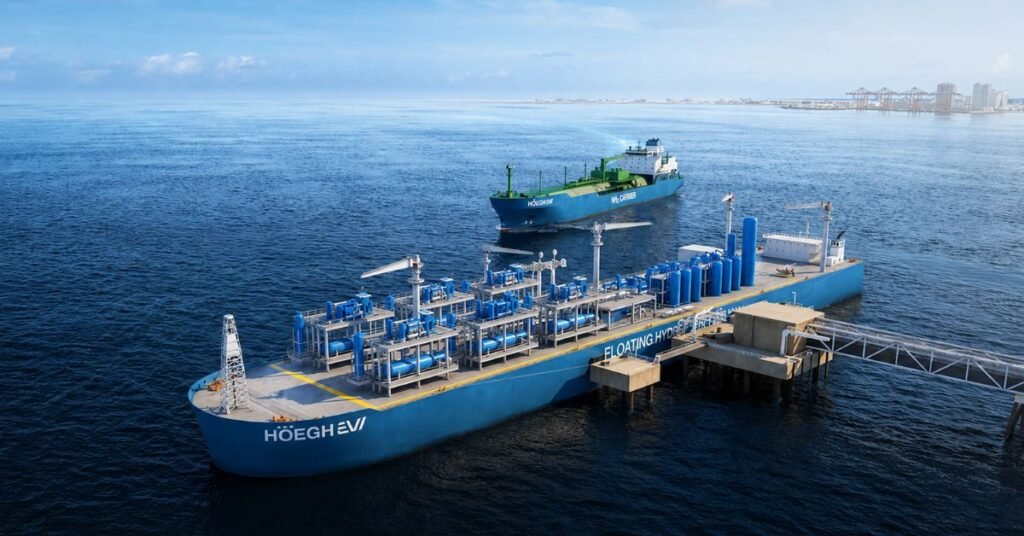
Höegh Evi and Nord Gas Solutions have completed performance testing of an ammonia-to-hydrogen cracking technology designed for floating hydrogen import terminals, marking another step in the development of hydrogen infrastructure for large-scale energy imports. The testing was carried out at the Sustainable Energy pilot plant in Stord, Norway, with financial support from the Norwegian Green
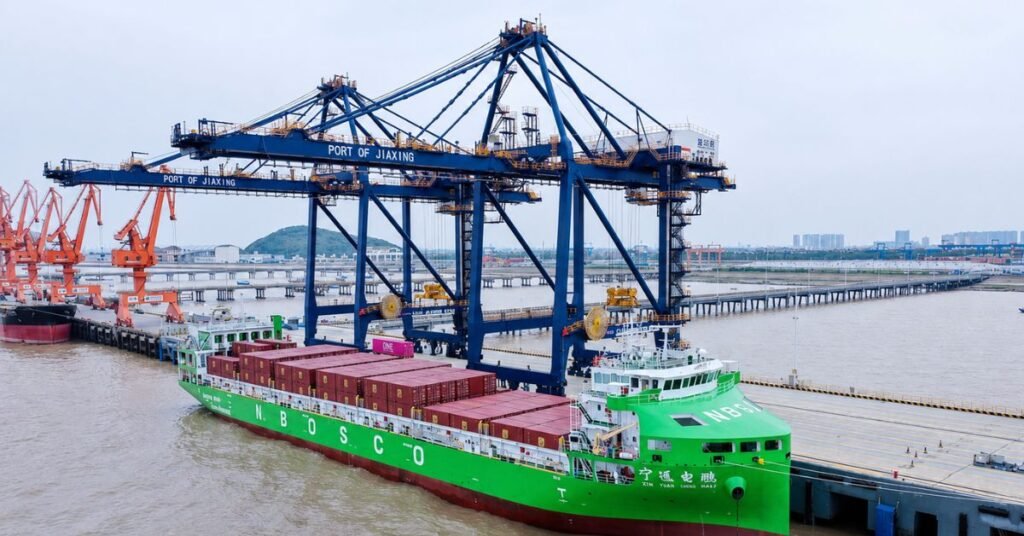
China has officially launched its first sea–river intermodal zero-carbon shipping route, marking a milestone in the country’s efforts to decarbonise inland and coastal freight transport. The new route entered service on 30 June with the maiden voyage of the fully electric container vessel Ningyuan Dianpeng from Jiaxing Port in Zhejiang Province to Ningbo-Zhoushan Port. The
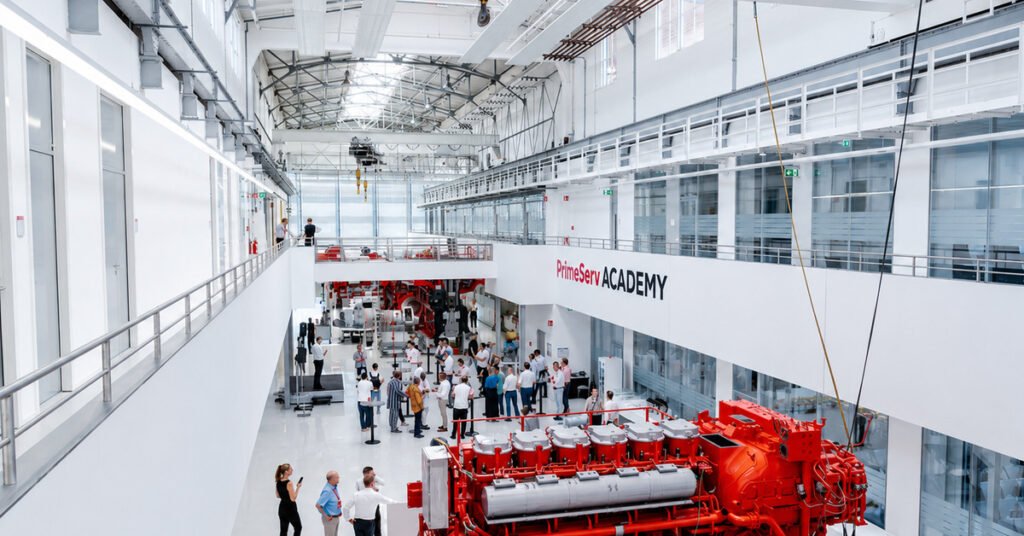
Everllence has expanded its PrimeServ Academy at its Augsburg facility in Germany, increasing training capacity to meet growing demand for skills development in alternative fuel engines, digital technologies and after-sales services. The expansion increases the academy’s floor space from approximately 1,700 square metres to 3,000 square metres following an investment of €6.5 million. The upgraded
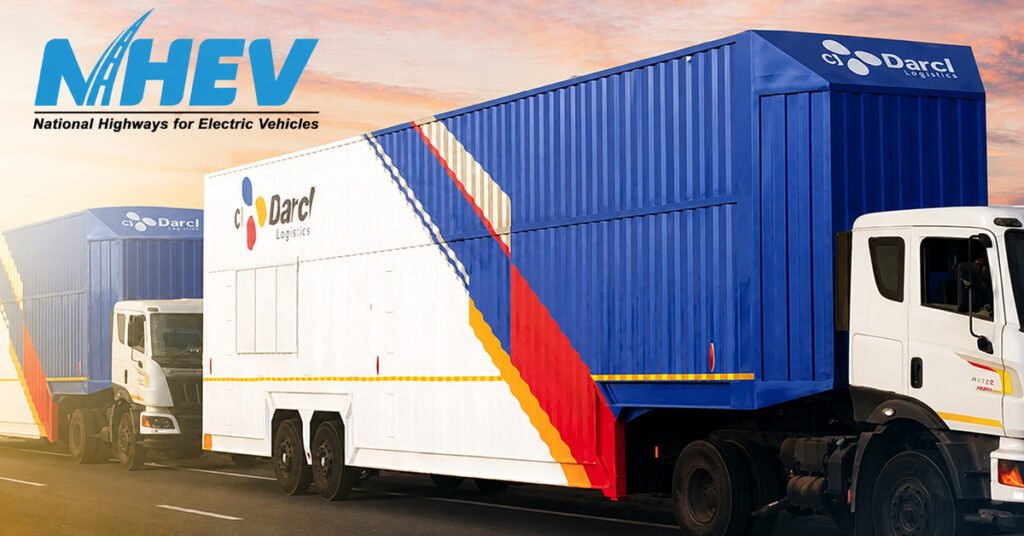
CJ Darcl Logistics and National Highways for Electric Vehicles (NHEV) have signed a memorandum of understanding to explore deployment of heavy electric trucks and supporting infrastructure along dedicated highway corridors, with the Bengaluru–Chennai route chosen as the first pilot. Under the agreement, the partners will jointly study and develop charging and energy infrastructure (including integrated
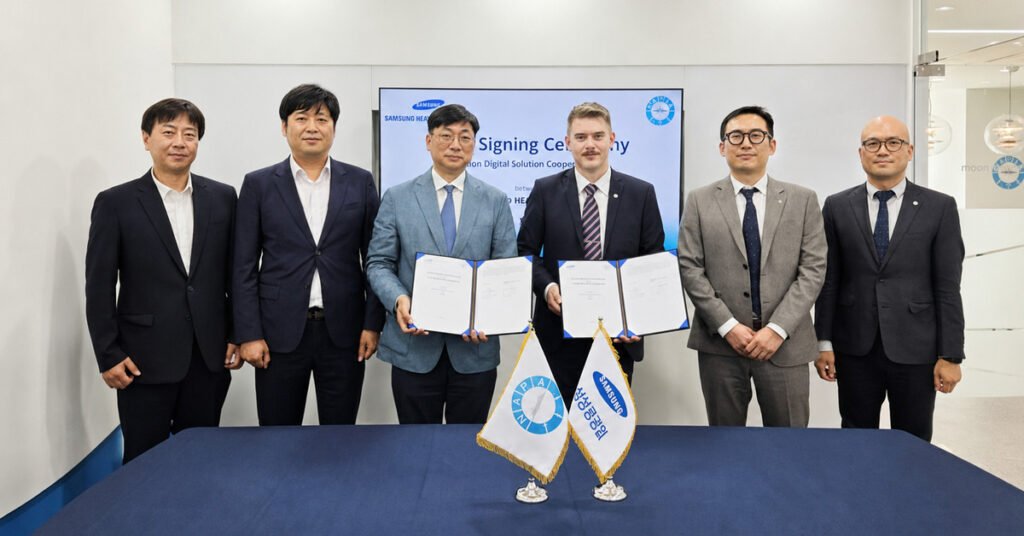
NAPA has signed a Memorandum of Understanding (MoU) with Samsung Heavy Industries (SHI) to collaborate on improving vessel performance through wind-assisted propulsion, digital twin technology and voyage optimisation, supporting shipowners’ decarbonisation strategies. The partnership will focus on analysing operational data from vessels equipped with SHI’s SAVER Wing wind-assisted propulsion system and integrating NAPA’s digital solutions