

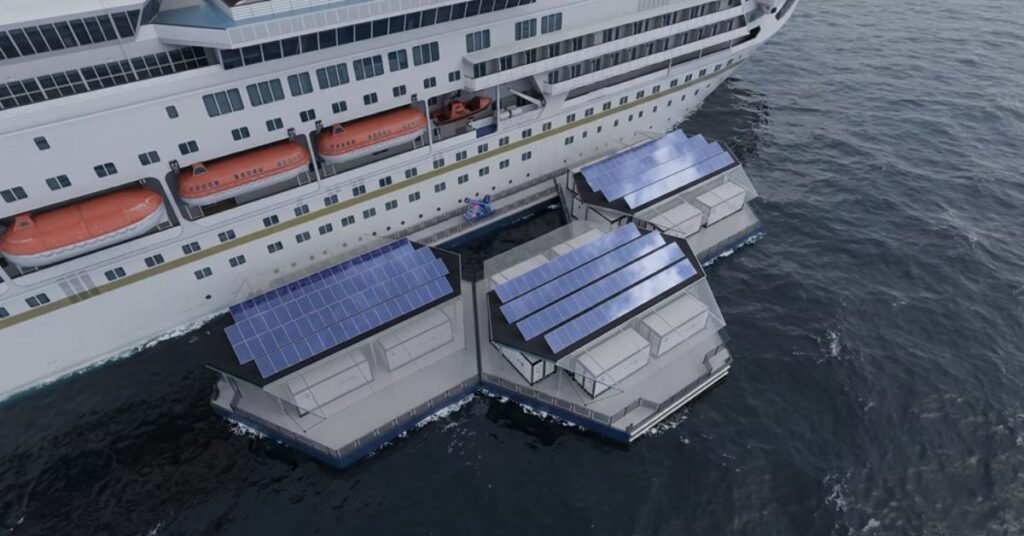
ELIRE Maritime and consortium partners have successfully validated one of the world’s first fully grid-independent hydrogen power hubs capable of delivering clean electricity directly to vessels at berth, without requiring traditional shore-side grid upgrades. The project was delivered through the UKRI-funded Clean Maritime Demonstrator Competition Round 6 (CMDC6), supported by Innovate UK and the UK Shipping

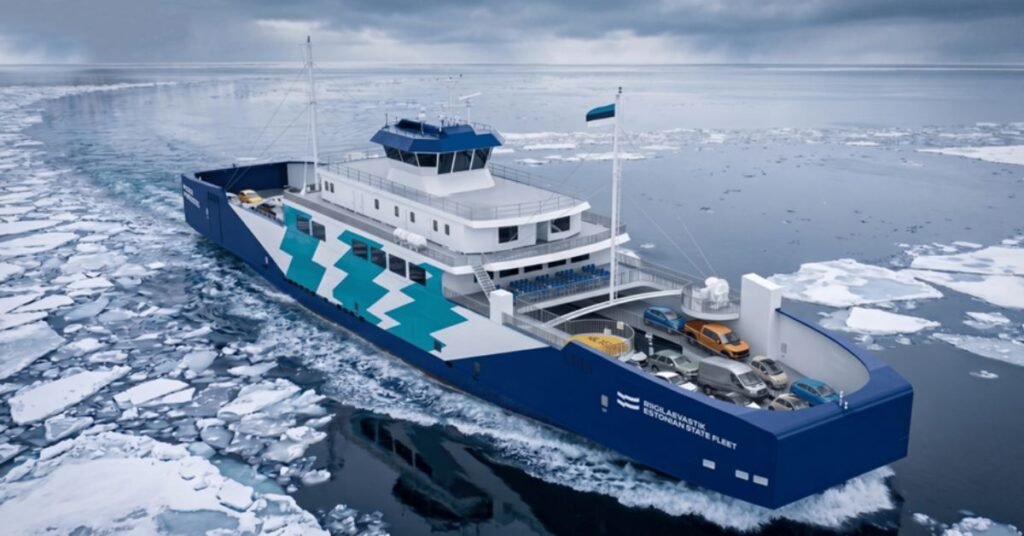
Estonian State Fleet (ESF) has signed a contract with CRIST for the design and construction of Estonia’s first fully electric passenger ferry. The vessel will be built at CRIST’s shipyard in Gdynia, Poland, following the company’s selection through a public tender process. Delivery is scheduled within 30 months of contract signing, with the ferry expected
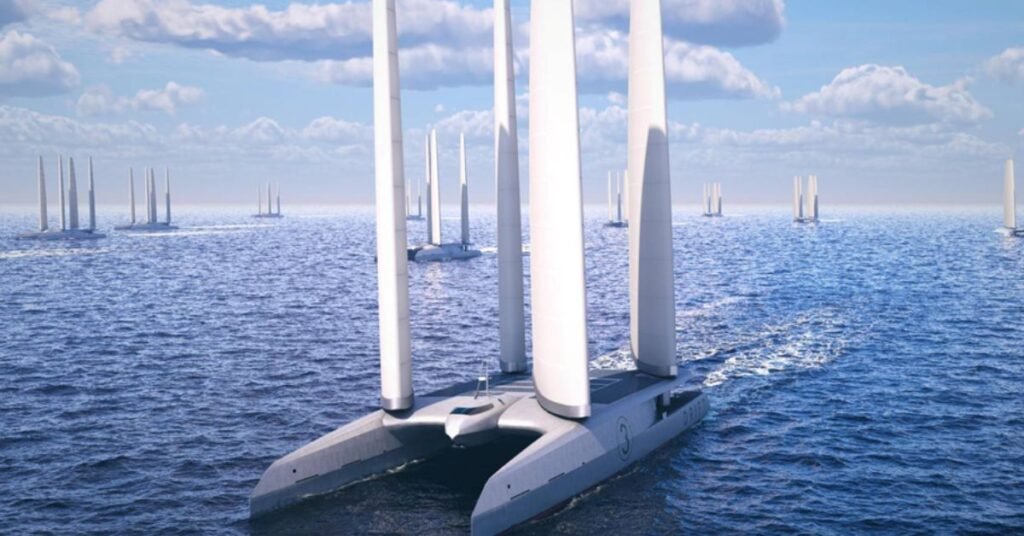
RINA has awarded an Approval in Principle (AiP) certificate to a concept vessel designed to generate and transport green hydrogen while operating at sea. The AiP was issued to Drift Energy, a UK-based company founded in 2021 that is developing vessels capable of harvesting renewable energy from ocean winds and converting it into hydrogen onboard.
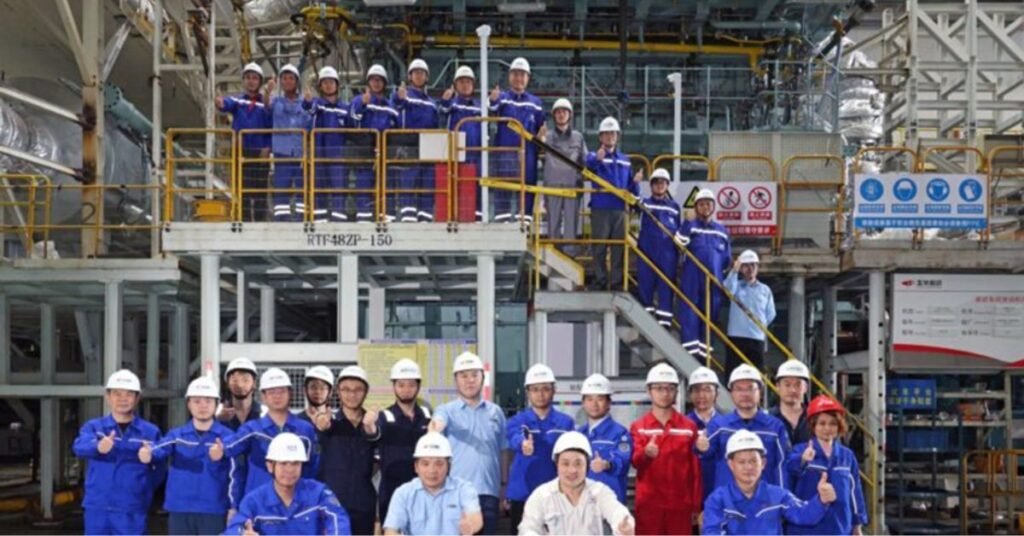
WinGD has completed another Factory Acceptance Test (FAT) for its ammonia-fuelled two-stroke marine engine platform, advancing the commercial development of ammonia propulsion technology for shipping. The latest testing involved the X52DF-A-1.0 engine, manufactured by Yuchai Marine Power Co. (YCMP), and was carried out in April 2026 under the supervision of China Classification Society. The FAT
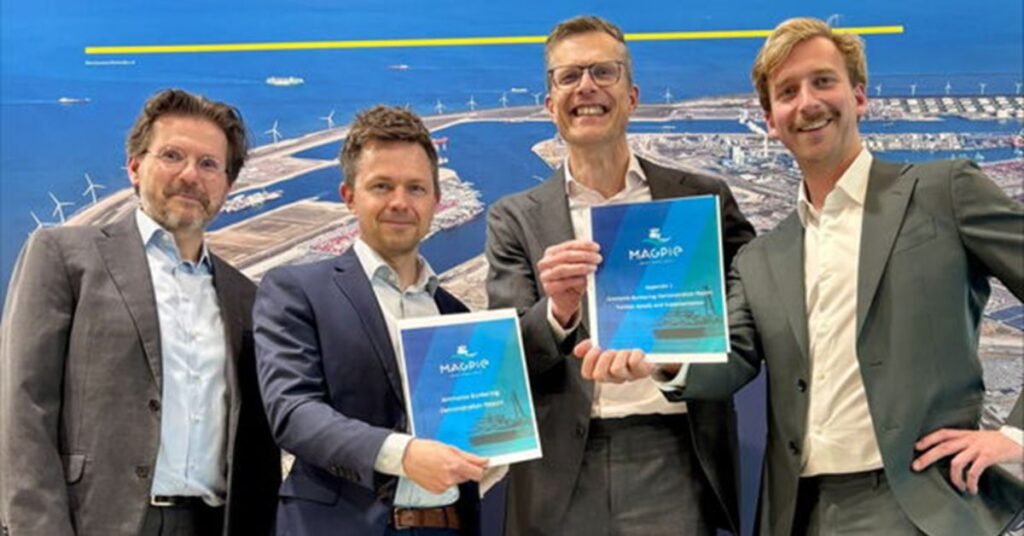
A demonstration project conducted at the Port of Rotterdam has shown that ship-to-ship ammonia bunkering can be carried out safely within an operational port setting, according to findings released under the EU-funded MAGPIE project. The trial, carried out on 12 April 2025, involved a full-scale simulation of an ammonia bunkering operation and was designed to
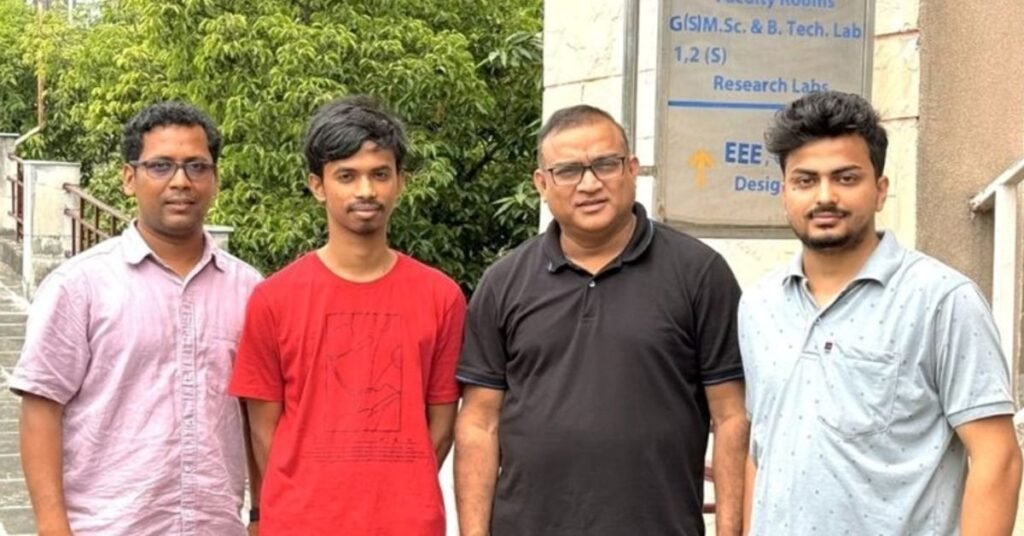
Researchers at Indian Institute of Technology Guwahati (IIT Guwahati) have developed a new electrode coating technology aimed at improving the efficiency and durability of solar-powered green hydrogen production systems. The research, published in the journal Small, focuses on photo-assisted electrochemical (PAEC) water splitting, a process that uses sunlight to separate water into hydrogen and oxygen.
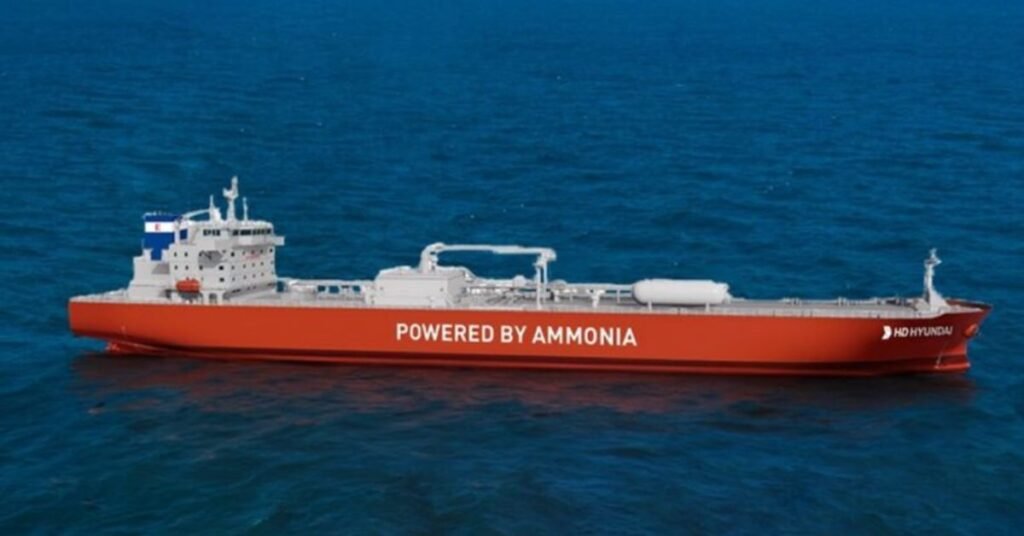
Close cooperation between the Belgian Federal Public Service Mobility and Transport (FPS Mobility), EXMAR and Lloyd’s Register turns real‑world experience into practical rules – contributing towards sustainability with the tightest possible safety framework. At the current 111th session of the International Maritime Organization’s Maritime Safety Committee (MSC 111), the safety guidelines for ammonia as fuel
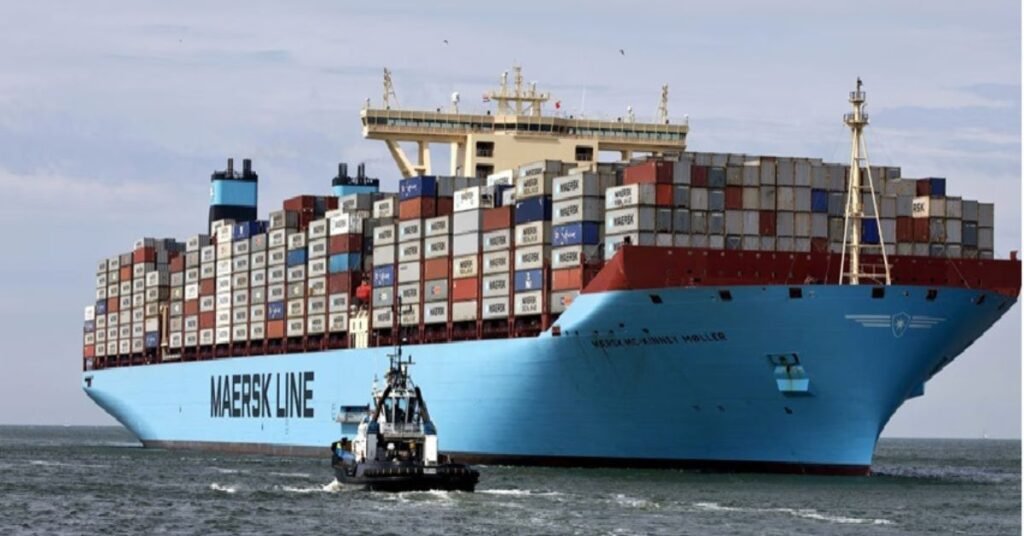
The world’s second-largest container carrier has taken delivery of its second methanol-powered vessel — and the race to decarbonise global shipping is accelerating. Danish shipping giant A.P. Moller-Maersk has taken delivery of its second 9,000-TEU methanol dual-fuel container vessel from Yangzijiang Shipbuilding in China, marking another concrete step in what the carrier has positioned as
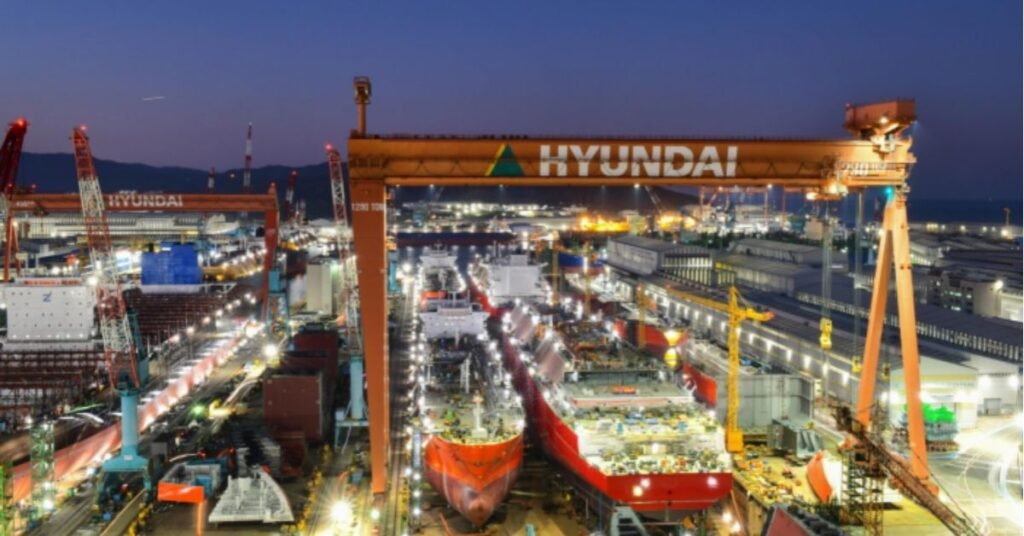
South Korean shipbuilders have booked orders for 10 liquefied natural gas carriers valued at approximately $1.8 billion, reinforcing the nation’s dominance in the global LNG vessel construction market. The order surge reflects strong demand for LNG transportation capacity amid ongoing supply chain diversification strategies by major energy companies. Korean shipyards have demonstrated their competitive advantage
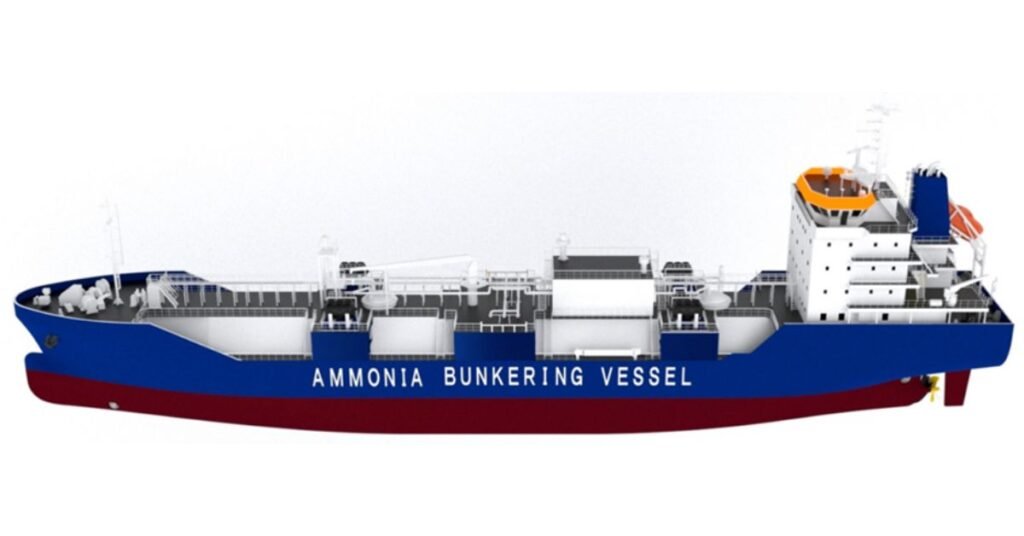
The Maritime and Port Authority of Singapore (MPA) has granted authorisation to ZETA Bunkering Pte. Ltd., a wholly owned subsidiary of Japan’s ITOCHU Corporation, to conduct ammonia bunkering trials in Singapore. According to ITOCHU, the authorisation was issued on April 27, 2026, and will take effect from May 15, 2026, for a trial period of